As an Amazon Associate and an AliExpress affiliate, TechGurl earns from qualifying purchases. Some links on this page are affiliate links — if you buy through them we may receive a commission, at no extra cost to you. This never affects which products we cover or what we say about them.
{“title”: “Power Bank vs Power Station: Which Should You Buy?”, “seo_title”: “Power Bank vs Power Station: Which Should You Buy? 2026 Guide”, “meta_description”: “Compare power bank vs power station for portable charging. Find the right solution for your needs with our 2026 buying guide.”, “focus_keyword”: “power bank vs power station”, “category”: “Benchmarks”, “tags”: “power bank, power station, portable charger, battery backup, outdoor power”, “featured_query”: “portable power devices comparison”, “img1_query”: “person charging phone with power bank outdoors”, “img1_alt”: “Person using a power bank to charge smartphone in outdoor setting demonstrating portable power solution for power bank vs power station”, “img2_query”: “camping setup with power station powering lights and devices”, “img2_alt”: “Campsite scene showing a power station running LED lights and charging devices illustrating use case in power bank vs power station comparison”, “img3_query”: “”, “img3_alt”: “”, “ae1_query”: “budget portable power bank 20000mah”, “ae2_query”: “affordable power station 300w outdoor”, “ae3_query”: “cheap solar power bank 10000mah”, “ae4_query”: “”, “ae5_query”: “”, “ae_minprice”: “20”, “content_html”: “
Disclosure: This article contains affiliate links. If you buy through them we may earn a small commission at no extra cost to you.
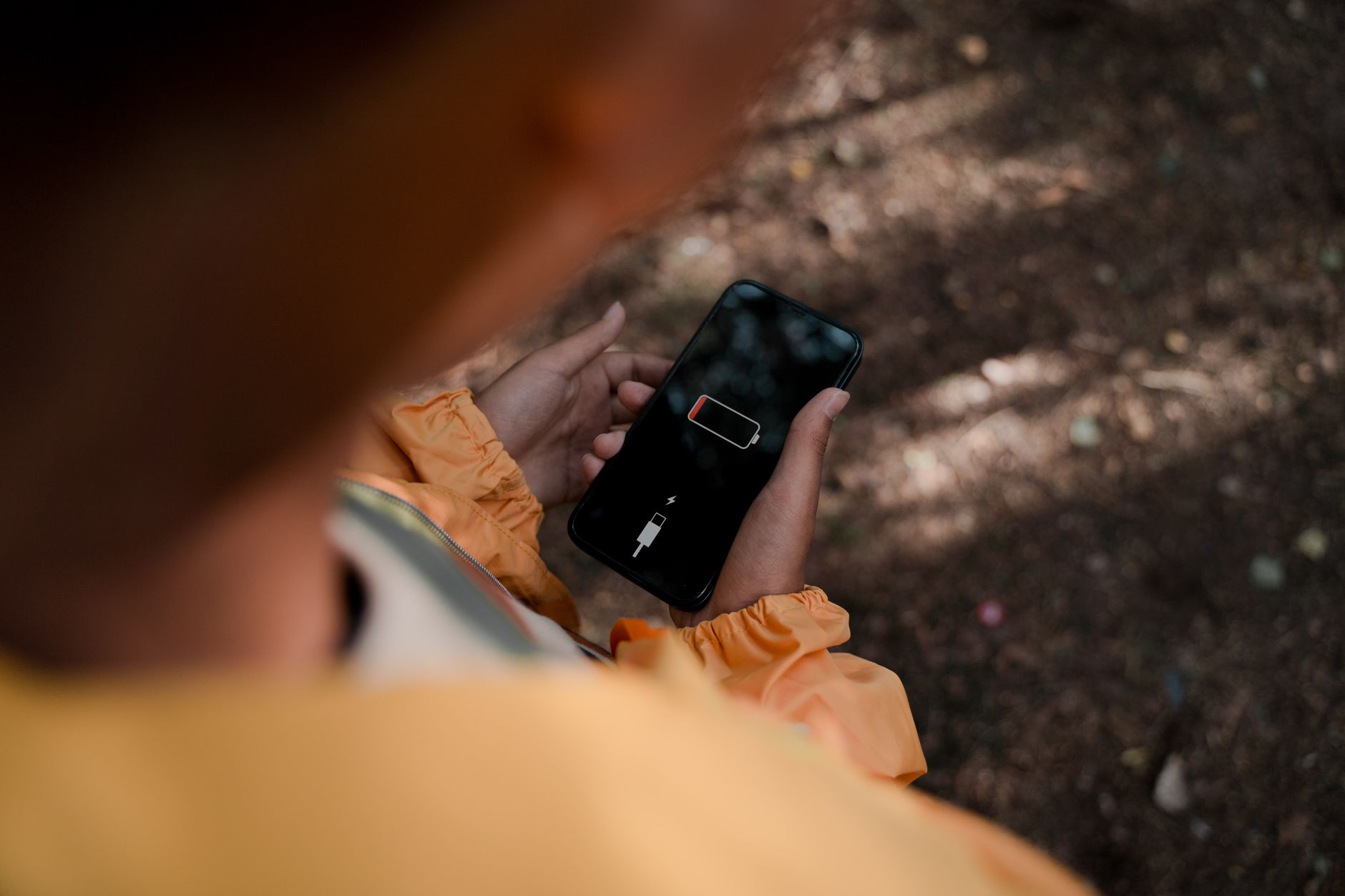
When evaluating power bank vs power station for your portable power needs, the core distinction lies in capacity, output versatility, and intended use cases. Power banks excel at charging smartphones and tablets on the go, while power stations can run laptops, small appliances, and even power tools during outages or outdoor adventures. Understanding this power bank vs power station comparison ensures you invest in the right tool without overpaying for unnecessary features or falling short during critical moments.
Key Differences: Power Bank vs Power Station
The fundamental difference between a power bank and a power station is scale. Power banks are compact, battery-focused devices designed primarily for USB charging of personal electronics. Power stations, also known as portable power stations or solar generators, integrate larger battery capacities with AC inverters, DC outlets, and multiple charging inputs to handle higher-wattage devices. This distinction affects everything from portability to runtime when comparing power bank vs power station solutions.
Capacity and Power Output
Power banks typically range from 5,000mAh to 30,000mAh (18Wh to 111Wh), sufficient for multiple smartphone charges but limited for larger devices. For example, Anker’s 737 Power Bank (PowerCore 24K) offers 24,000mAh at 87Wh with up to 140W USB-C output, as detailed in Anker’s official specifications. Power stations start around 200Wh and scale to 2,000Wh+, enabling them to power laptops (60-100W), mini-fridges (50-100W), or CPAP machines (30-60W) for hours. The Jackery Explorer 300, for instance, provides 293Wh with a 300W AC inverter (600W surge), capable of running a 60W laptop for approximately 4 hours based on Jackery’s runtime estimates.
Portability and Weight
Power banks prioritize portability, often weighing under 1 pound and fitting in a pocket or small bag. The Anker 737 weighs 1.4 lbs. Power stations, while still portable, are bulkier due to larger batteries and inverters; the Jackery Explorer 300 weighs 7.1 lbs and resembles a small lunchbox, making it suitable for car camping or emergency kits but less ideal for daily commuting. This trade-off is central to the power bank vs power station decision: choose a power bank for pocket-sized convenience, a power station when you need to run more than just USB devices.
Charging Options and Versatility
Power banks recharge via USB-C or Micro-USB and discharge only through USB ports. Power stations offer multiple input methods (AC wall, carport, solar panels) and output options including AC outlets, DC carports, and various USB types. The EcoFlow River 2, for example, supports 220W AC input, charges from 0-80% in one hour, and includes two AC outlets, one USB-C (100W), two USB-A, and a DC carport. This versatility allows power stations to serve as emergency home backup during outages, a role power banks cannot fulfill due to their lack of AC inversion and lower capacity.
Comparison Table: Power Bank vs Power Station
| Specification | Power Bank (Anker 737) | Power Station (Jackery Explorer 300) |
|---|---|---|
| Battery Capacity | 24,000mAh (87Wh) | 293Wh |
| Max AC Output | None (USB-only) | 300W (600W surge) |
| USB-C Output | 140W | 100W |
| Weight | 1.4 lbs | 7.1 lbs |
| Recharge Time (Wall) | ~2 hours (65W input) | ~2.5 hours (60W AC adapter) |
| Typical Use Case | Smartphone/tablet charging, travel | Laptop power, camping, emergency backup |
| Price Range | $99-$129 | $299-$349 |
This table highlights why the power bank vs power station choice depends on your power requirements. The Anker 737 represents a high-end power bank ideal for USB device charging, while the Jackery Explorer 300 exemplifies an entry-level power station capable of AC-powered device operation. Note that prices fluctuate based on sales and retailers; always check current listings for the best deals.
Top Pick: Anker 737 Power Bank (PowerCore 24K)
For users whose primary need is keeping smartphones, tablets, and laptops charged while commuting, traveling, or working remotely, the Anker 737 Power Bank stands out in the power bank vs power station comparison. Its 24,000mAh capacity provides approximately 5 full charges for an iPhone 15 or over 1 charge for a USB-C laptop like the MacBook Air. The inclusion of a 140W USB-C port enables fast charging for compatible laptops, and the dual USB-C plus one USB-A layout allows charging three devices simultaneously. Anker’s ActiveShield 2.0 safety system monitors temperature and input current to prevent overheating, a critical feature for high-wattage USB-C charging. While it cannot power AC devices, its portability and efficiency make it the best choice for personal electronics charging.
Anker 737 Power Bank (PowerCore 24K) — check today’s price
Top Pick: Jackery Explorer 300 Portable Power Station
When you need to power devices beyond USB charging—such as laptops, portable monitors, small fans, or CPAP machines—the Jackery Explorer 300 offers a compelling balance of capacity, portability, and price in the power bank vs power station evaluation. With 293Wh of lithium-ion battery capacity and a pure sine wave 300W AC inverter, it can run a 50W appliance for nearly 5 hours or charge a smartphone over 20 times. The unit supports three recharge methods: wall outlet (2.5 hours), carport (5.5 hours), and compatible solar panels (like the Jackery SolarSaga 60W, ~5 hours in full sun). Its LCD display shows real-time input/output wattage and battery percentage, enhancing usability during outdoor trips or power outages. For users seeking a true portable power station that can handle moderate AC loads without the weight and cost of larger models, the Explorer 300 is a well-reviewed, reliable option.
Jackery Explorer 300 Portable Power Station — check today’s price

Related picks on AliExpress
If you’re exploring budget-friendly alternatives in the portable power space, AliExpress offers options that mirror the core functionality of the products discussed. While these may not match the brand reputation or safety certifications of Anker or Jackery, they provide accessible entry points for basic charging or low-power AC needs. Always verify seller ratings and product specifications before purchasing.
Which One Should You Buy?
The decision between a power bank and a power station hinges on your specific power demands. Choose a power bank like the Anker 737 if you primarily need to charge USB devices (phones, tablets, laptops) and value pocket-sized portability. Opt for a power station like the Jackery Explorer 300 if you require AC power for laptops, small appliances, or emergency backup during outages, and are willing to trade some portability for versatility. For most urban commuters and travelers, a high-capacity power bank suffices. Campers, remote workers, and those preparing for power outages will benefit more from a power station’s ability to run AC-powered gear.
FAQ
Can a power bank charge a laptop?
Yes, but only if it supports sufficient USB-C Power Delivery (PD). Power banks like the Anker 737 (140W USB-C) can charge laptops that accept USB-C charging, such as the MacBook Pro or Dell XPS series. However, they cannot power laptops requiring AC input, as they lack an inverter to convert DC to AC power.
How long does a power station last during a blackout?
Runtime depends on the station’s capacity and the load placed on it. The Jackery Explorer 300 (293Wh) can power a 50W LED light string for approximately 5 hours (293Wh ÷ 50W = 5.86 hours, accounting for ~85% inverter efficiency). Actual runtime varies based on battery age, temperature, and connected devices—always consult the manufacturer’s estimates for your specific use case.
Are power stations safe to use indoors?
Yes, unlike gas generators, portable power stations produce no emissions and operate quietly, making them safe for indoor use during power outages. They are commonly used to run CPAP machines, modems, routers, and small medical devices indoors. Ensure the unit is placed on a stable, non-flammable surface and that vents are not blocked for optimal cooling.
What is the main advantage of a power station over a power bank?
The primary advantage is AC power output via an built-in inverter, allowing operation of standard household appliances and tools that require AC input. Power banks are limited to DC USB charging and cannot run devices like mini-fridges, projectors, or power tools without AC conversion.
Conclusion
In the power bank vs power station debate, there is no universally superior option—only the right tool for your specific needs. Power banks deliver unmatched portability for keeping personal electronics charged throughout the day, while power stations provide the versatility to run AC-powered devices during camping trips, remote work, or emergency situations. By assessing what you actually need to power and for how long, you can avoid overspending on unnecessary capacity or being left without sufficient power when it matters most. Choose wisely, and your portable power solution will serve you reliably for years to come. For more insights on optimizing your tech setup, Ring Doorbell vs. Security Camera: Which Smart Device Offers Better Home Protection? explore our guide to essential mobile accessories.
“}
Further reading
For background and full specifications, see Battery pack on Wikipedia.