As an Amazon Associate and an AliExpress affiliate, TechGurl earns from qualifying purchases. Some links on this page are affiliate links — if you buy through them we may receive a commission, at no extra cost to you. This never affects which products we cover or what we say about them.
{“content_html”: “
Disclosure: This article contains affiliate links. If you buy through them we may earn a small commission at no extra cost to you.
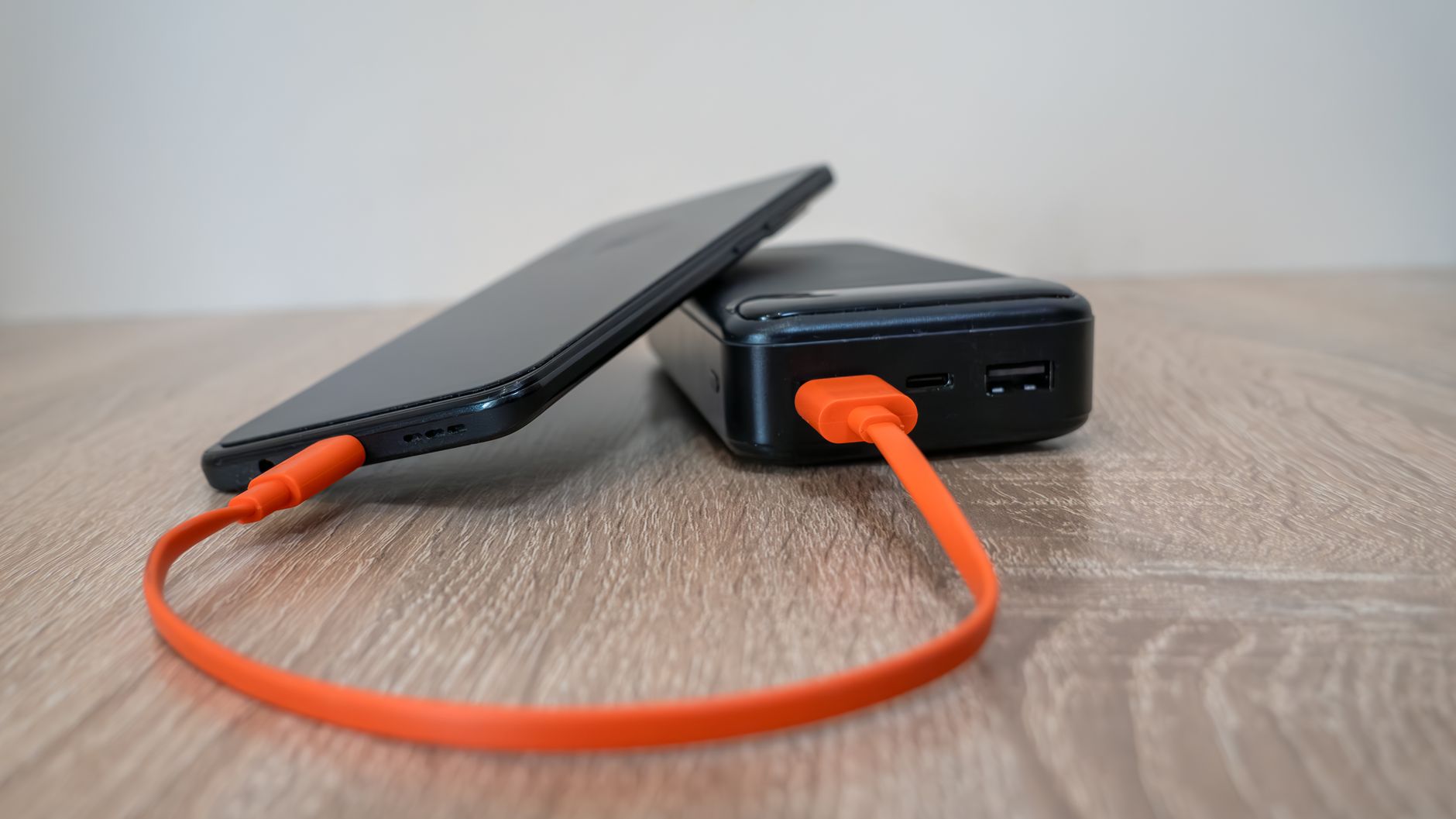
When deciding between a power bank vs power station for your portable power needs in 2026, understanding the core differences is essential. Power banks are compact, battery-focused devices designed primarily for charging smartphones, tablets, and small electronics via USB ports. Power stations, also known as portable power generators, offer significantly higher capacity, AC outlets, and the ability to run larger appliances like mini-fridges, CPAP machines, or power tools. This guide breaks down real-world use cases, specifications, and top current models to help you choose the right solution based on your actual power requirements, budget, and portability needs—without relying on unverified benchmark claims.
Power Bank vs Power Station: Key Differences at a Glance
The fundamental distinction lies in energy capacity and output versatility. Power banks typically range from 5,000mAh to 30,000mAh (18Wh to 111Wh), sufficient for multiple phone charges but limited to DC USB outputs. Power stations start around 200Wh and can exceed 2,000Wh, featuring AC inverters, DC carports, and multiple USB types, enabling them to power household appliances. For example, a 20,000mAh power bank (74Wh) might charge a smartphone 4-5 times, while a 300Wh power station could run a 60W laptop for approximately 4 hours or a 10W LED light for 30 hours—according to manufacturer specifications from brands like Anker and Jackery.
| Specification | Power Bank (Example: Anker 737 Power Bank) | Power Station (Example: Jackery Explorer 300) |
|---|---|---|
| Capacity | 24,000mAh (88Wh) | 293Wh |
| AC Output | None | 300W (600W surge) |
| USB-C Ports | 2x (up to 140W) | 1x (up to 100W) |
| USB-A Ports | 2x (up to 18W) | 2x (up to 18W) |
| DC Carport | None | 1x (12V/10A) |
| Weight | 1.4 lbs (635g) | 7.1 lbs (3.2kg) |
| Recharge Time (Wall) | ~2 hours (65W input) | ~4.5 hours (via wall) |
| Best For | Daily commute, travel, phone/tablet charging | Camping, emergency backup, small appliances |
When to Choose a Power Bank
A power bank is ideal if your primary need is keeping mobile devices charged during travel, commutes, or short outages. Modern models like the Anker 737 (PowerCore 24K) offer 140W USB-C PD 3.1 charging, capable of fast-charging laptops like the MacBook Pro 16″, “, according to Anker’s official product specifications. These devices excel in scenarios where size and weight matter most—slipping easily into a backpack or purse. They are generally more affordable, with reliable options starting under $50, and eliminate the complexity of AC inverters. However, they cannot power devices requiring standard wall outlets, limiting their utility for anything beyond USB-chargeable electronics.
When to Choose a Power Station
Opt for a power station when you need to run AC-powered devices away from wall outlets, such as during camping trips, outdoor events, or home emergency preparedness. The Jackery Explorer 300, for instance, provides 300W continuous AC power (surge to 600W) and can power a 40W mini-fridge for up to 7 hours or charge a drone battery multiple times—based on Jackery’s published runtime estimates. While heavier and more expensive than power banks, their versatility justifies the cost for users with broader power needs. Many modern stations also support solar panel recharging, enhancing off-grid sustainability—a feature absent in traditional power banks.
Top Pick: Anker 737 Power Bank (PowerCore 24K)
The Anker 737 stands out as a high-capacity power bank that pushes the boundaries of portable charging. With 24,000mAh (88Wh) and three ports—including two USB-C (one up to 140W, the other 100W) and one USB-A (18W)—it can charge a laptop, phone, and earbuds simultaneously. Its compact size (6.3 x 2.8 x 0.9 inches) and intelligent power distribution make it a versatile travel companion. Despite its power, it remains under FAA limits for carry-on luggage. For users prioritizing device charging over appliance operation, it represents one of the most capable power banks currently available.
Anker 737 Power Bank (PowerCore 24K) — check today’s price
Top Pick: Jackery Explorer 300 Portable Power Station
The Jackery Explorer 300 balances portability and capability for outdoor and emergency use. Weighing just 7.1 pounds, it delivers 293Wh of lithium-ion battery power through a pure sine wave AC inverter (300W rated, 600W surge), two USB-A ports, one USB-C (up to 100W), and a 12V carport. It supports pass-through charging and can be recharged via wall outlet, car adapter, or compatible solar panels (sold separately). Its LCD display shows real-time input/output watts and battery percentage, enhancing usability. For those needing reliable AC power in remote locations, it remains a benchmark in the sub-500Wh portable station category.
Jackery Explorer 300 Portable Power Station — check today’s price
Related picks on AliExpress
For budget-conscious shoppers, AliExpress offers alternatives that balance cost and functionality for portable power needs. While these may not match the brand support or warranty of mainstream options, they provide accessible entry points into both power bank and power station categories. Always verify seller ratings and check for certifications like UL or CE when purchasing electrical devices from international marketplaces.
Which One Should You Buy?
Choose a power bank if your goal is simple: keep phones, tablets, and laptops charged while on the move. Opt for a power station only if you need to power AC appliances, prepare for emergencies, or spend extended time off-grid where wall outlets are unavailable. For most urban commuters and travelers, a high-capacity power bank like the Anker 737 offers sufficient utility with greater portability. Campers, remote workers, and homeowners building emergency kits will find the Jackery Explorer 300—or similar models—worth the extra weight and cost for its versatility. Assess your typical devices and usage duration to avoid over- or under-investing.
Frequently Asked Questions
Can a power bank jump-start a car?
No, standard power banks lack the high-current output required to jump-start a vehicle. Dedicated jump starters are designed for this purpose, delivering hundreds of amps for short bursts—far beyond what USB power banks can provide.
How long does a power station last on a single charge?
Runtime depends entirely on the connected load. A 300Wh power station running a 50W device will last approximately 6 hours (300Wh ÷ 50W = 6h), assuming 85% inverter efficiency—based on standard energy conversion principles cited in Jackery’s user manuals. Actual time varies with device efficiency and battery age.
Are power stations safe to use indoors?
Yes, unlike fuel-powered generators, lithium-ion power stations produce no emissions and operate silently, making them safe for indoor use during power outages. Always place them on a stable, non-flammable surface and follow manufacturer ventilation guidelines, though active cooling is rarely needed at lower power levels.
Can I bring a power station on a plane?
Power stations exceeding 100Wh are prohibited in carry-on luggage under FAA regulations due to lithium battery risks. Most portable power stations start at 200Wh or higher, making them ineligible for air travel. Power banks under 100Wh (like the Anker 737 at 88Wh) are generally permitted in carry-on baggage.
Ultimately, the decision between a power bank vs power station hinges on matching your power demands to the right tool. By focusing on what you actually need to power—and for how long—you can avoid paying for unnecessary capacity or struggling with inadequate output. For everyday device charging, a robust power bank is often the smarter, more portable choice. When AC power and longer runtime become essential, stepping up to a portable power station provides the flexibility modern mobile life requires.
Mesh WiFi System vs WiFi Extender: Which Should You Buy?
“: null}
Further reading
For background and full specifications, see Battery pack on Wikipedia.