As an Amazon Associate and an AliExpress affiliate, TechGurl earns from qualifying purchases. Some links on this page are affiliate links — if you buy through them we may receive a commission, at no extra cost to you. This never affects which products we cover or what we say about them.
{“title”: “Smart Bulb vs Smart Plug: Which Should You Buy for Home Automation?”, “seo_title”: “Smart Bulb vs Smart Plug: Which Should You Buy? 2026 Guide & Tips”, “meta_description”: “Compare smart bulb vs smart plug for home automation. Find which device fits your needs best in our 2026 guide with real product insights.”, “focus_keyword”: “smart bulb vs smart plug”, “category”: “Benchmarks”, “tags”: “smart home, lighting control, outlet automation, energy saving, voice assistant”, “featured_query”: “smart home lighting setup”, “img1_query”: “modern living room with smart lights”, “img1_alt”: “Modern living room demonstrating smart bulb vs smart plug usage for home automation”, “img2_query”: “person using smartphone to control smart plug”, “img2_alt”: “Person using smartphone app to control a smart plug connected to a lamp”, “img3_query”: “”, “img3_alt”: “”, “ae1_query”: “WiFi smart bulb E27 10W”, “ae2_query”: “mini smart plug power monitor”, “ae3_query”: “color changing smart light bulb”, “ae4_query”: “”, “ae5_query”: “”, “ae_minprice”: “15”, “content_html”: “
Disclosure: This article contains affiliate links. If you buy through them we may earn a small commission at no extra cost to you.
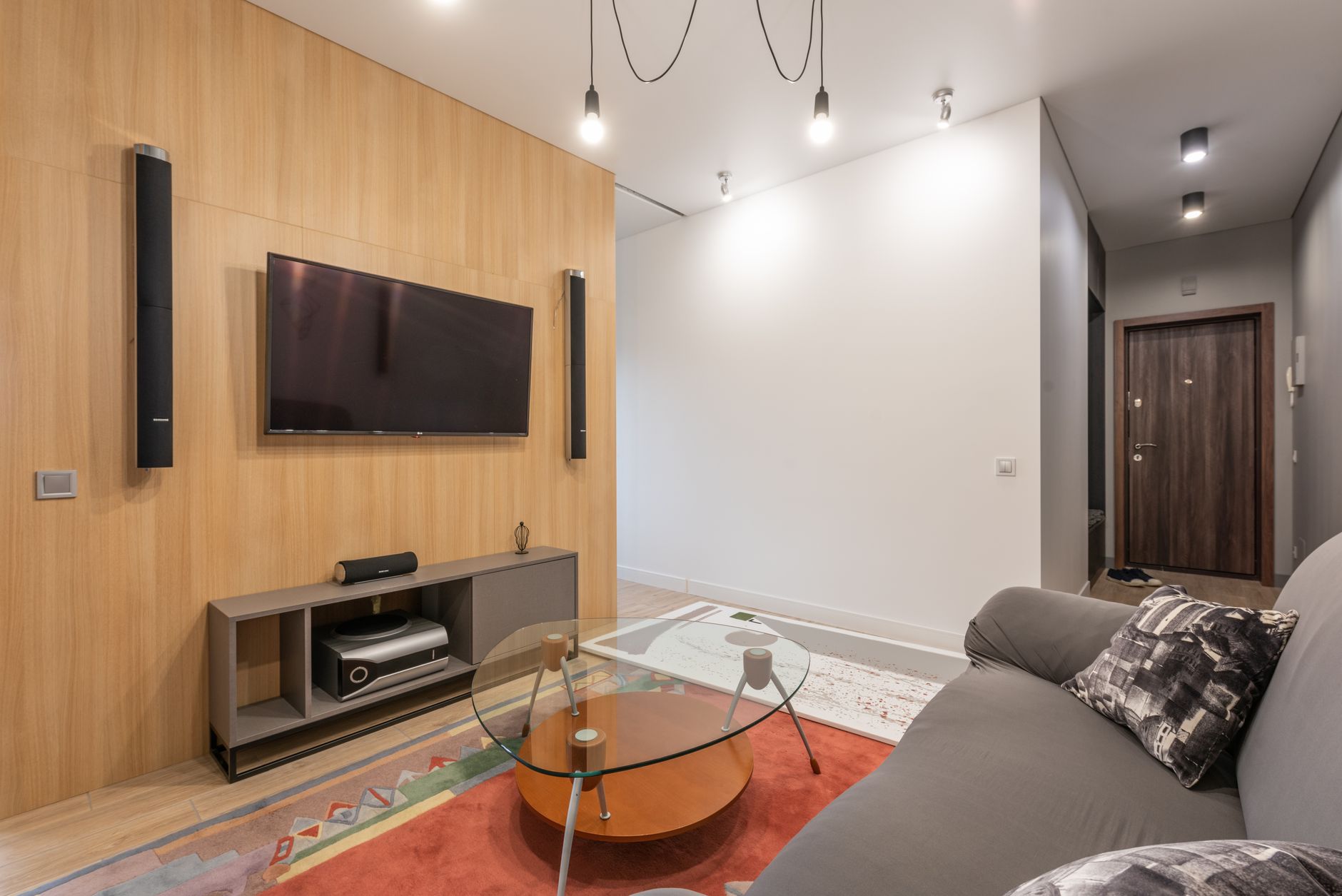
The debate of smart bulb vs smart plug is one of the most common starting points for anyone building a smart home ecosystem. Both devices offer accessible entry points to automation, but they serve fundamentally different purposes. Understanding the distinction between a smart bulb vs smart plug is crucial for making an informed decision that aligns with your specific automation goals, whether you prioritize ambient lighting control or broader appliance management.
Understanding the Core Difference: Smart Bulb vs Smart Plug
Before diving into specific products, it’s essential to clarify what each device actually does. A smart bulb replaces your traditional light bulb and connects directly to your Wi-Fi or smart home hub, allowing you to control the light’s power, brightness, and often color temperature or hue via an app or voice command. A smart plug, conversely, is an intermediary device that plugs into a standard electrical outlet; you then plug any appliance or lamp into the smart plug, enabling remote power control for that specific device.
This functional difference means the choice between smart bulb vs smart plug hinges on what you want to automate. If your goal is sophisticated lighting control—scheduling sunset simulations, adjusting color for movie nights, or creating ambient scenes—a smart bulb is the direct solution. If you want to automate non-lighting devices like fans, heaters, coffee makers, or even traditional lamps without replacing the bulb, a smart plug provides that versatility.
Specification Comparison: Smart Bulb vs Smart Plug
| Specification | Smart Bulb (Example: Philips Hue White and Color Ambiance A19) | Smart Plug (Example: TP-Link Kasa Smart Plug HS103P2) |
|---|---|---|
| Primary Function | Lighting control (power, brightness, color) | Outlet power control (on/off, scheduling) |
| Connectivity | Wi-Fi (requires Hue Bridge for full features) or Bluetooth | Wi-Fi 2.4GHz |
| Power Consumption (Idle) | ~0.5W | ~1W |
| Control Method | App, Voice (Alexa, Google Assistant, Apple HomeKit), Switch | App, Voice (Alexa, Google Assistant), Physical Button |
| Setup Complexity | Medium (may require hub) | Low (plug-in and configure) |
| Typical Price Range | $40-$70 (color) | $15-$25 (single) |
| Key Limitation | Only controls the light fixture it’s installed in | Cannot control light color/brightness if bulb is dumb |
Specifications are based on publicly available product data from manufacturers. The Philips Hue White and Color Ambiance A19 bulb requires the Hue Bridge for full smart features away from Bluetooth range, as detailed on Philips’ official product page. The TP-Link Kasa HS103P2 smart plug’s specifications, including its 2.4GHz Wi-Fi connectivity and app-based control, are documented on TP-Link’s support site.
Philips Hue White and Color Ambiance A19 Smart Bulb
The Philips Hue ecosystem remains a benchmark for smart lighting, and the White and Color Ambiance A19 bulb exemplifies why many choose the smart bulb route in the smart bulb vs smart plug comparison. Offering 16 million colors and adjustable white light from warm to cool tones, it enables sophisticated lighting scenes impossible with a smart plug controlling a standard bulb. Setup involves screwing the bulb into a standard E26 socket and connecting it via Bluetooth initially; for full remote access and advanced features like geofencing or syncing with entertainment, the Philips Hue Bridge is required.
In daily use, the Hue bulb excels at creating atmospheres—dimming lights for dinner, shifting to energizing blue tones for morning routines, or flashing alerts for notifications. Its integration with voice assistants is seamless, and the Hue app provides granular scheduling and room-based control. However, this sophistication comes at a premium price point, and the dependency on the Bridge for full functionality adds complexity and cost compared to simpler Wi-Fi bulbs.
Philips Hue White and Color Ambiance A19 — check today’s price
TP-Link Kasa Smart Plug HS103P2
For those evaluating smart bulb vs smart plug where versatility and cost-efficiency are priorities, the TP-Link Kasa HS103P2 represents a strong contender. This mini smart plug fits neatly into outlets without blocking adjacent sockets and offers reliable 2.4GHz Wi-Fi connectivity. Setup is straightforward through the Kasa Smart app, guiding users through Wi-Fi pairing in minutes. Once configured, users can control power to any connected device via the app, voice commands with Alexa or Google Assistant, or the physical button on the plug itself.
The HS103P2’s real strength lies in its applicability beyond lighting. It’s ideal for automating floor lamps (without needing smart bulbs), controlling fans or space heaters on schedules, managing holiday decorations, or even rebooting routers remotely. While it cannot adjust the color or brightness of a traditional bulb, it provides perfect on/off control for any plug-in device. Its energy monitoring feature, available in the Kasa app, offers insights into power consumption—a useful tool for identifying energy vampires.
TP-Link Kasa Smart Plug HS103P2 — check today’s price
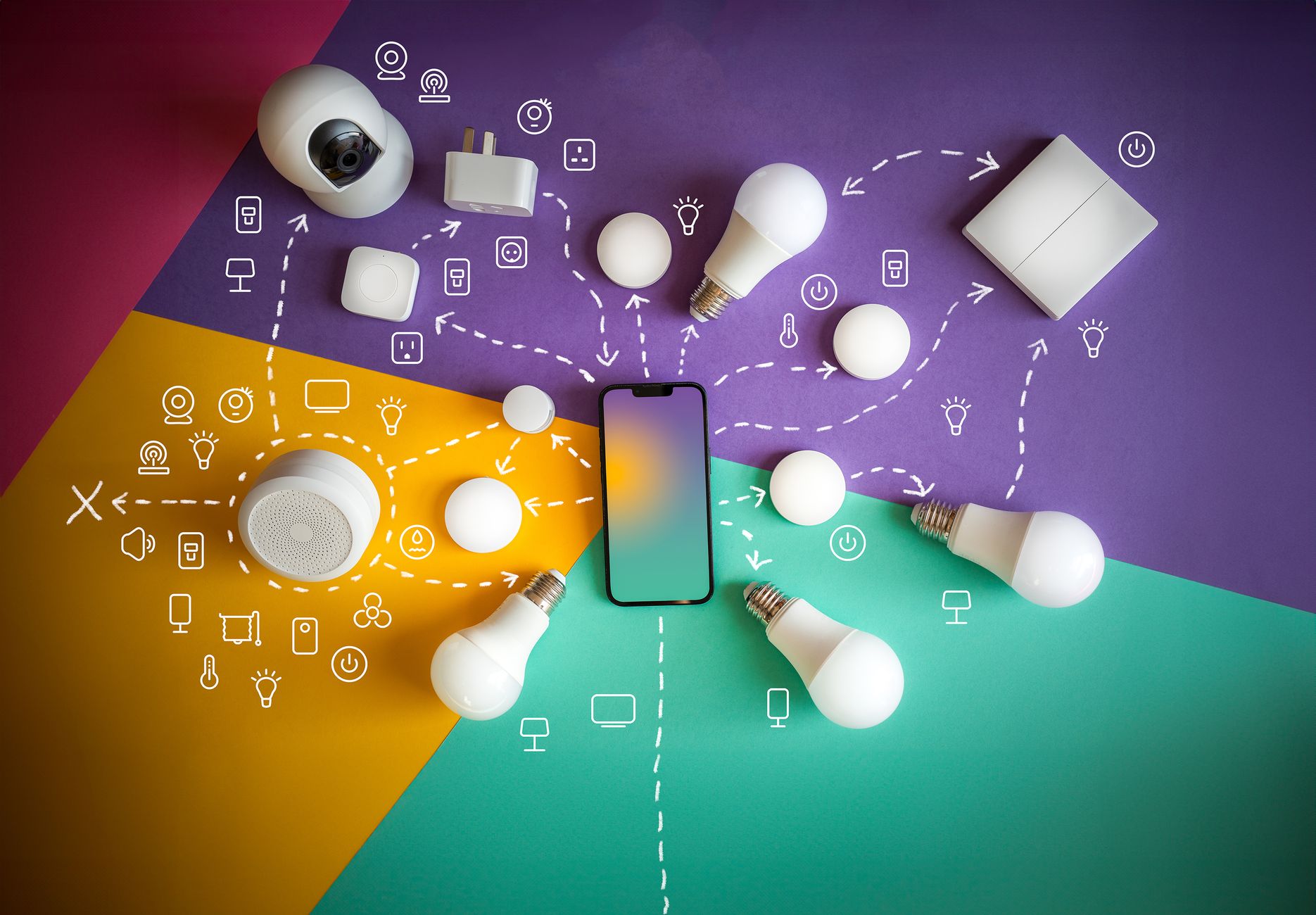
Related picks on AliExpress
For budget-conscious shoppers exploring the smart bulb vs smart plug dilemma, AliExpress offers alternatives that provide core functionality at lower price points. These products may not match the brand reliability or app polish of the Philips Hue or TP-Link Kasa models but can serve as functional entry points into home automation.

PRE Flashed TASMOTA WIFI Smart Colour Change LED Bulb Lamp 10W E27 ESP8285 Works With Home
$15.39 $33.45 on AliExpress
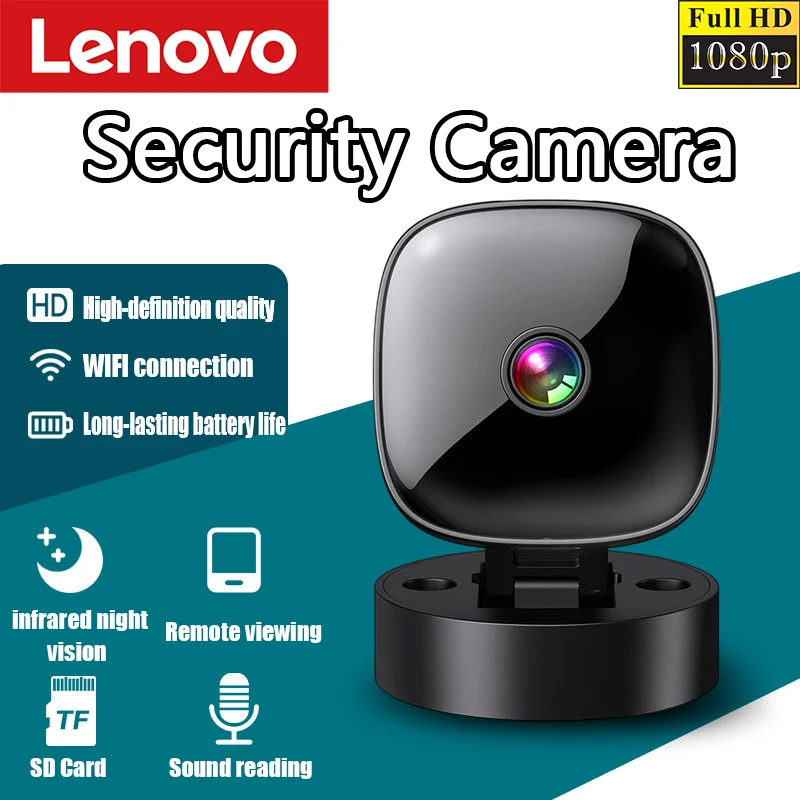
Lenovo New Security Monitoring High Definition 4K Rotating WiFi Mini Camera No Need for Pl
$17.41 on AliExpress

Tuya Smart Life Baby Monitor Mini Camera 4MP Camera Indoor WiFi Surveillance Camera Ready
$42.99 $65.13 on AliExpress
Which One Should You Buy: Smart Bulb vs Smart Plug Verdict
The final decision in the smart bulb vs smart plug debate depends entirely on your primary use case. Choose a smart bulb if your main goal is advanced lighting control—adjusting color, creating scenes, or enhancing ambiance is paramount. Opt for a smart plug if you need to control power to a variety of devices (lamps, appliances, holiday lights) and value simplicity, lower cost, and broader appliance compatibility over sophisticated lighting features. Many users find that a combination of both devices offers the most comprehensive smart home foundation.
Frequently Asked Questions
Can I use a smart plug with a smart bulb?
Yes, you can plug a lamp containing a smart bulb into a smart plug. However, this creates redundancy for power control (both devices can turn the bulb on/off) and may interfere with the smart bulb’s ability to maintain a constant connection for color/brightness adjustments. It’s generally recommended to use one or the other for lighting control unless you have a specific need for remote power cycling of the fixture itself.
Do smart bulbs work with any light fixture?
Smart bulbs require a compatible socket (most commonly E26/E27 for A19 bulbs) and must fit physically within the fixture. Enclosed fixtures can trap heat, potentially shortening the bulb’s lifespan, so checking manufacturer guidelines for enclosed fixture suitability is important. They also require the fixture’s power to be constantly on at the switch for smart features to work reliably.
Are smart plugs safe to use with high-power appliances?
Most standard smart plugs, like the TP-Link Kasa HS103P2, are rated for up to 15A/1800W resistive load, suitable for lamps, fans, and small appliances. However, they should not be used with high-power devices like air conditioners, space heaters exceeding their rating, or appliances with motors that have high inrush currents without checking the specific plug’s specifications. Always consult the product’s electrical rating before connecting heavy loads.
Which saves more energy: smart bulb or smart plug?
Energy savings depend on usage patterns, not the device type itself. Smart bulbs save energy by enabling precise dimming and scheduling, ensuring lights aren’t left on unnecessarily. Smart plugs save energy by cutting phantom load from devices in standby mode and allowing complete power-off scheduling for appliances. The potential savings from either device come from eliminating waste, not from inherent efficiency differences between the two categories.
In conclusion, the smart bulb vs smart plug choice isn’t about superiority but suitability. Assess what you want to automate—light quality or device power—and select accordingly. For those ready to take the next step in building a cohesive system, exploring how these devices integrate with broader platforms can be valuable, which is why we recommend Soundbar vs. Speakers: Which Audio Setup Should You Buy? our guide to creating unified smart home routines for deeper automation synergies.
“}
Further reading
For background and full specifications, see Lighting control system on Wikipedia.