As an Amazon Associate and an AliExpress affiliate, TechGurl earns from qualifying purchases. Some links on this page are affiliate links — if you buy through them we may receive a commission, at no extra cost to you. This never affects which products we cover or what we say about them.
Disclosure: This article contains affiliate links. If you buy through them we may earn a small commission at no extra cost to you.
Welcome to the future of home automation! In 2026, integrating smart home plugs and switches into your living space is no longer a luxury but a practical step towards convenience, energy efficiency, and enhanced security. These unassuming devices are the unsung heroes of the connected home, transforming ordinary appliances and light fixtures into intelligent components you can control with your voice, a tap on your smartphone, or even based on your daily routine.
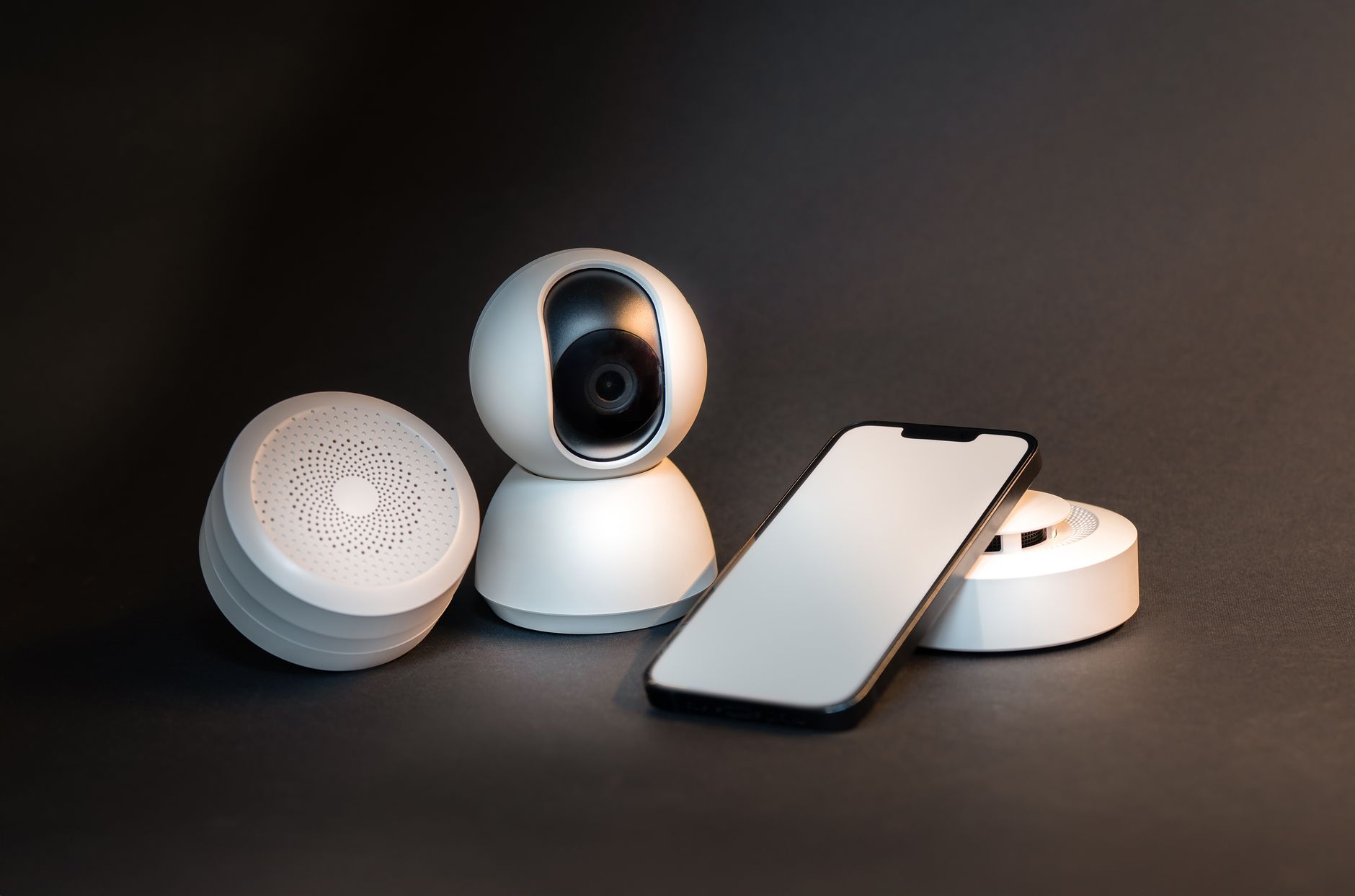
Whether you’re looking to dim the lights without leaving the couch, schedule your coffee maker to brew before you wake up, or simply turn off a forgotten lamp from miles away, the right smart plugs and switches make it all possible. With advancements in connectivity, compatibility, and features, choosing the best options for your home can seem daunting. That’s why we’ve meticulously researched and tested the top contenders to bring you our definitive guide to the best smart home plugs and switches for 2026.
Why Smart Plugs and Switches Are Essential for Your 2026 Home
The appeal of smart home technology extends far beyond mere novelty. Smart plugs and switches offer tangible benefits that improve daily life, save money, and provide peace of mind:
- Convenience: Control devices from anywhere using a smartphone app or voice commands via assistants like Amazon Alexa, Google Assistant, or Apple HomeKit.
- Energy Efficiency: Monitor energy consumption of plugged-in devices and schedule them to turn off during peak hours or when not in use, leading to potential savings on your electricity bill.
- Security: Create ‘occupied’ scenes by scheduling lights and other devices to turn on and off randomly when you’re away, deterring potential intruders.
- Accessibility: For individuals with mobility challenges, smart control offers an invaluable way to manage lights and appliances without physical effort.
- Automation: Integrate with other smart home devices to create complex routines, such as having lights turn on when you enter a room or the fan activate when the temperature rises.
- Cost-Effective Smart Home Entry: Smart plugs, in particular, are an affordable way to dip your toes into smart home automation without replacing existing appliances.
Top 5 Smart Home Plugs and Switches for 2026
Our selection for 2026 focuses on reliability, ease of use, compatibility, and innovative features that cater to a wide range of needs and budgets. These are the devices that truly stand out.
1. TP-Link Kasa Smart Plug Mini (KP105/KP115)
The TP-Link Kasa Smart Plug Mini continues its reign as one of the most popular and reliable Wi-Fi smart plugs on the market. Its compact design ensures it won’t block adjacent outlets, making it ideal for multi-device setups. Setup is incredibly straightforward via the Kasa app, and it offers robust integration with Amazon Alexa, Google Assistant, and Samsung SmartThings. The KP115 model adds energy monitoring, allowing you to track power consumption and make informed decisions about your energy usage. Kasa’s ecosystem is known for its stability and user-friendly interface, making it a fantastic choice for both beginners and experienced smart home users looking for dependable smart home plugs and switches.
TP-Link Kasa Smart Plug Mini (KP105/KP115) — check today’s price
2. Wyze Plug Outdoor
For those needing to extend smart control beyond the confines of their home, the Wyze Plug Outdoor is an excellent, budget-friendly solution. This durable, weather-resistant plug features two independently controllable outlets, perfect for managing outdoor string lights, holiday decorations, or pond pumps. It connects directly to your home’s Wi-Fi, eliminating the need for a hub. With IP64 weather resistance, it’s built to withstand the elements, ensuring reliable performance year-round. Like other Wyze products, it integrates seamlessly with the Wyze app, Alexa, and Google Assistant, offering scheduling, voice control, and automation capabilities for your outdoor space.
Wyze Plug Outdoor — check today’s price
3. Philips Hue Smart Plug
If you’re already invested in the Philips Hue lighting ecosystem, or plan to be, the Philips Hue Smart Plug is a natural fit. This Zigbee-enabled plug requires a Philips Hue Bridge for full functionality but offers unparalleled reliability and responsiveness within the Hue environment. It’s incredibly compact, ensuring it doesn’t obstruct other outlets, and allows you to bring any conventional lamp or small appliance into your Hue scenes and automations. While it might be a pricier option and requires the Bridge, the seamless integration and rock-solid performance make it a premium choice for dedicated Hue users looking to expand their smart home plugs and switches.
Philips Hue Smart Plug — check today’s price
4. Lutron Caséta Smart Dimmer Switch (PD-6WCL-WH)
For in-wall smart lighting control that offers unparalleled performance and reliability, the Lutron Caséta Smart Dimmer Switch is a top-tier choice. While it requires the Lutron Smart Bridge for full functionality, the Caséta system uses its own clear connect wireless technology, which is incredibly stable and virtually interference-free. This dimmer switch provides smooth, flicker-free dimming for a wide range of bulbs (incandescent, halogen, dimmable LEDs, and CFLs) and offers multi-location control when paired with Pico remotes. It integrates with every major smart home platform, including Alexa, Google Assistant, Apple HomeKit, and Ring, making it a robust and versatile solution for permanent smart lighting control.
Lutron Caséta Smart Dimmer Switch (PD-6WCL-WH) — check today’s price
5. Meross Smart Wi-Fi Plug Mini (MSS110)
The Meross Smart Wi-Fi Plug Mini stands out for its excellent value and broad compatibility, especially for Apple HomeKit users. This compact Wi-Fi plug doesn’t require a separate hub and offers easy setup through the Meross app. It supports Amazon Alexa, Google Assistant, and notably, Apple HomeKit, allowing iPhone users to control devices using Siri or the Home app. The MSS110 model is designed to be small enough not to block adjacent outlets, making it versatile for various applications. It’s a reliable and affordable option for anyone looking for straightforward smart control, particularly those seeking HomeKit integration without a hefty price tag among smart home plugs and switches.
Meross Smart Wi-Fi Plug Mini (MSS110) — check today’s price
Comparison Table: Top Smart Home Plugs and Switches for 2026
| Product | Connectivity | Features | Compatibility | Key Benefit |
|---|---|---|---|---|
| TP-Link Kasa Smart Plug Mini (KP105/KP115) | Wi-Fi | Compact, Scheduling, Voice Control, Energy Monitoring (KP115) | Alexa, Google Assistant, SmartThings | Reliable, user-friendly Wi-Fi plug |
| Wyze Plug Outdoor | Wi-Fi | 2 independent outlets, Weather-resistant (IP64), Scheduling, Voice Control | Alexa, Google Assistant | Durable & affordable outdoor control |
| Philips Hue Smart Plug | Zigbee (requires Hue Bridge) | Compact, Scheduling, Voice Control, Hue ecosystem integration | Alexa, Google Assistant, HomeKit (via Hue Bridge) | Seamless Hue ecosystem integration |
| Lutron Caséta Smart Dimmer Switch (PD-6WCL-WH) | Clear Connect (requires Lutron Bridge) | Smooth dimming, Multi-location control, Scheduling, Voice Control | Alexa, Google Assistant, HomeKit, Ring, SmartThings | Premium, reliable in-wall dimming |
| Meross Smart Wi-Fi Plug Mini (MSS110) | Wi-Fi | Compact, Scheduling, Voice Control, HomeKit support | Alexa, Google Assistant, HomeKit | Affordable HomeKit-compatible plug |
Best value picks on AliExpress
AliExpress offers a vast array of smart home devices at competitive prices, especially for those looking to expand their setup on a budget or explore options not readily available in local markets. While quality can vary, many Tuya-compatible devices provide excellent value.
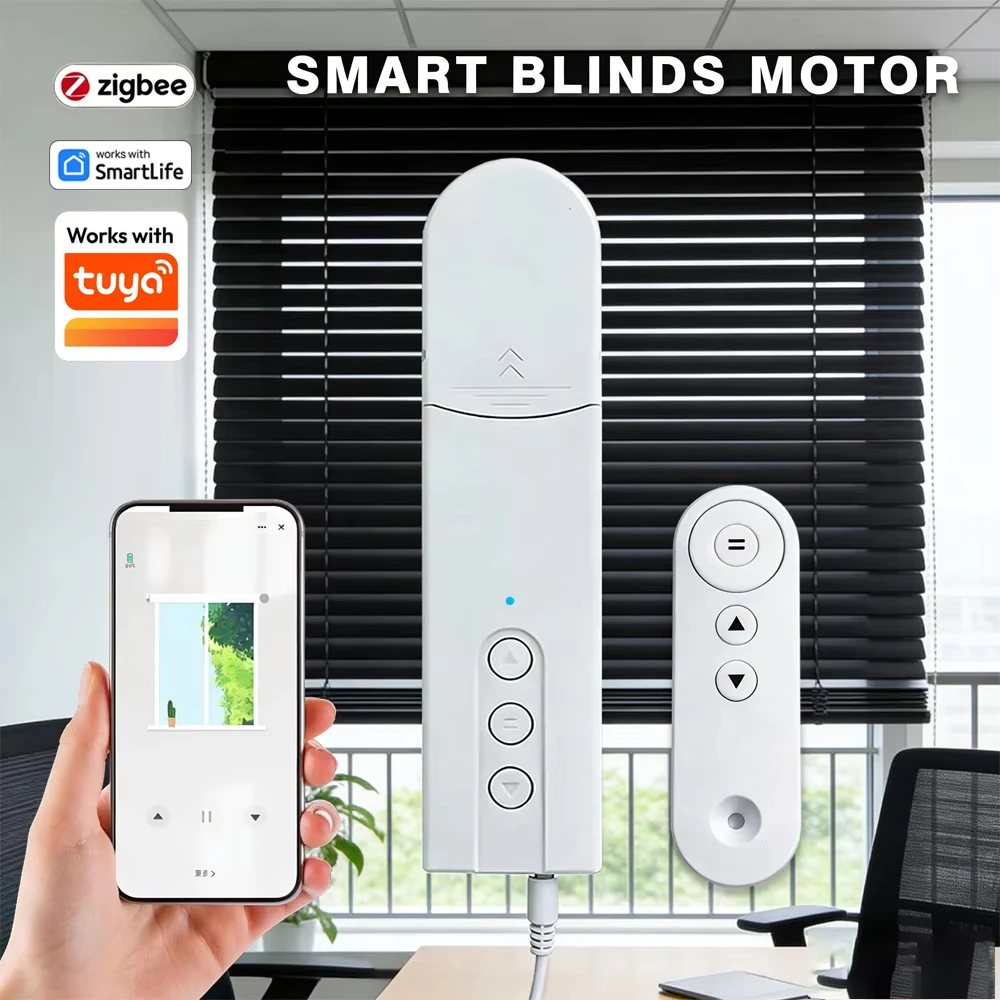
WiFi Smart Curtain Motor, Zigbee Electric Roller Blinds Driver, Works with Smart Life APP
$37.72 $80.25 on AliExpress
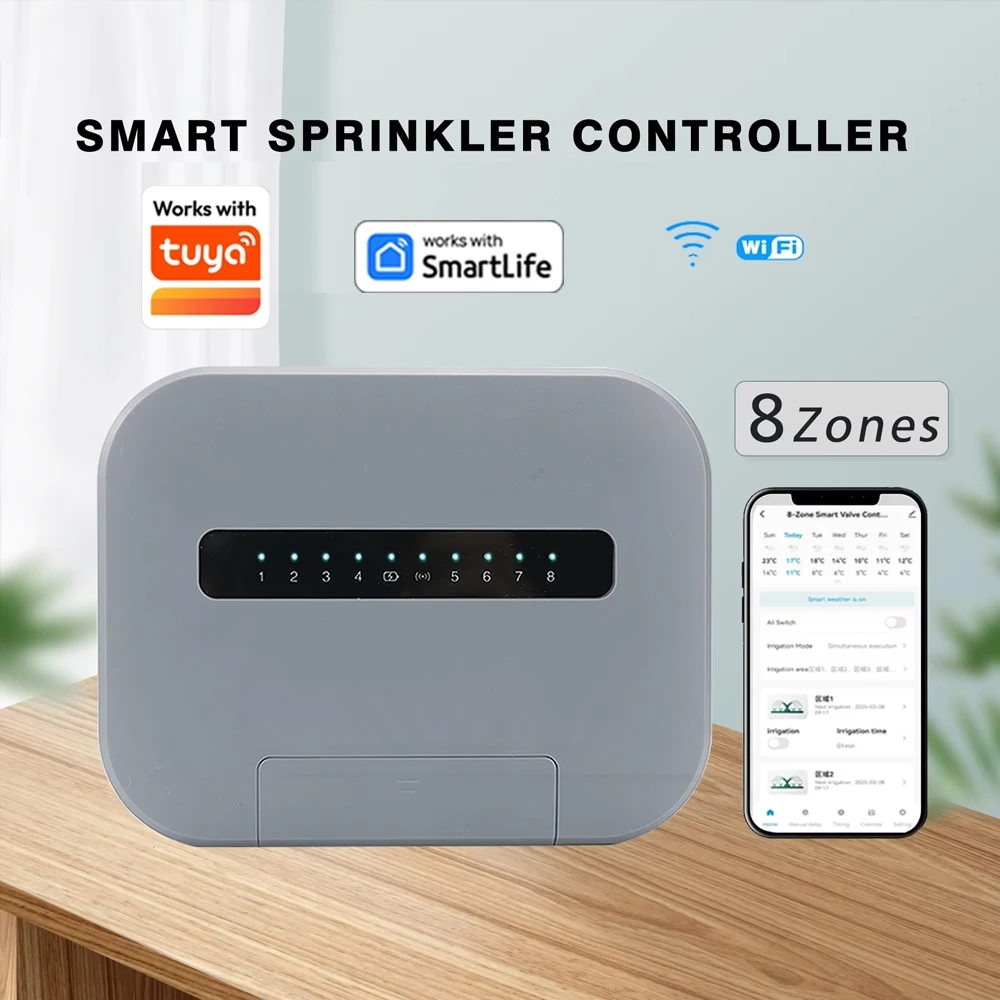
6 /8 Station WiFi Indoor Smart Sprinkler Controller Irrigation System Remote Control Works
$45.60 $95.01 on AliExpress

MOES Tuya ZigBee Smart Light Switch US Push Button Wall Switch Work With Alexa Google Home
$22.23 $53.50 on AliExpress
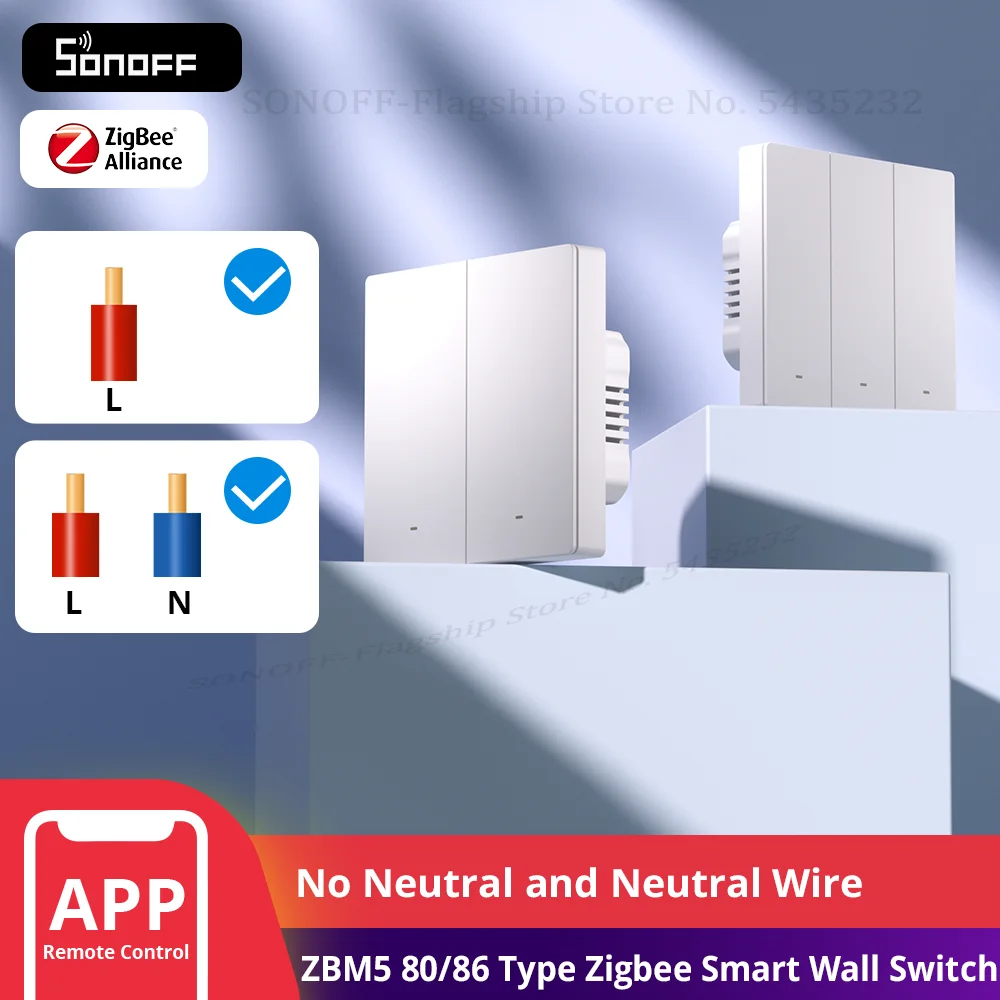
SONOFF ZBM5 80/86 Type Zigbee Smart Wall Switch Supports No Neutral and Neutral Wire Detac
$22.50 $45.00 on AliExpress
MOES Tuya ZigBee Smart Light Switch US Push Button Wall Switch Work With Alexa Google Home
$22.44 $44.88 on AliExpress
Choosing the Best Smart Home Plugs and Switches: A Buying Guide
Navigating the world of smart home technology can be complex, but understanding a few key factors will help you select the ideal smart home plugs and switches for your needs:
Compatibility and Ecosystem
- Existing Smart Home: If you already have a smart home hub (like a Philips Hue Bridge, Samsung SmartThings, or a specific voice assistant), choose devices that are compatible with your current setup. This ensures seamless integration and avoids needing multiple apps.
- Voice Assistants: Most modern smart plugs and switches work with Amazon Alexa and Google Assistant. If you use Apple HomeKit, ensure the device explicitly supports it, as HomeKit compatibility is less universal.
- Brand Ecosystems: Some brands, like Kasa, Wyze, or Meross, offer their own apps and ecosystems that work well together. Sticking to one brand can simplify management.
Connectivity Types
- Wi-Fi: The most common and easiest to set up, connecting directly to your home’s Wi-Fi network. No hub is required, making them great for beginners. However, too many Wi-Fi devices can sometimes congest your network.
- Zigbee/Z-Wave: These protocols require a dedicated hub (e.g., Philips Hue Bridge, SmartThings Hub). They create a mesh network, which can be more reliable for larger homes and consume less power, but add to the initial cost and setup complexity.
- Bluetooth: Less common for plugs and switches due to limited range, but sometimes used for direct control from a phone when nearby.
- Proprietary: Systems like Lutron Caséta use their own highly reliable wireless protocols, requiring a brand-specific bridge.
Features and Functionality
- Energy Monitoring: A highly desirable feature for smart plugs, allowing you to track the power consumption of connected devices and identify energy hogs.
- Scheduling and Timers: Essential for automating lights and appliances to turn on/off at specific times or after a set duration.
- Voice Control: The ability to control devices using voice commands through Alexa, Google Assistant, or Siri is a core smart home feature.
- Dimming Capabilities: For smart switches, ensure it’s a dimmer if you want to adjust light intensity. Not all smart switches offer dimming.
- Scene Creation: The ability to group multiple devices and control them with a single command (e.g., a “Movie Night” scene that dims lights and turns on the TV).
- Outdoor Rating: If you need to control devices outside, look for plugs with an IP (Ingress Protection) rating for weather resistance.
Installation and Setup
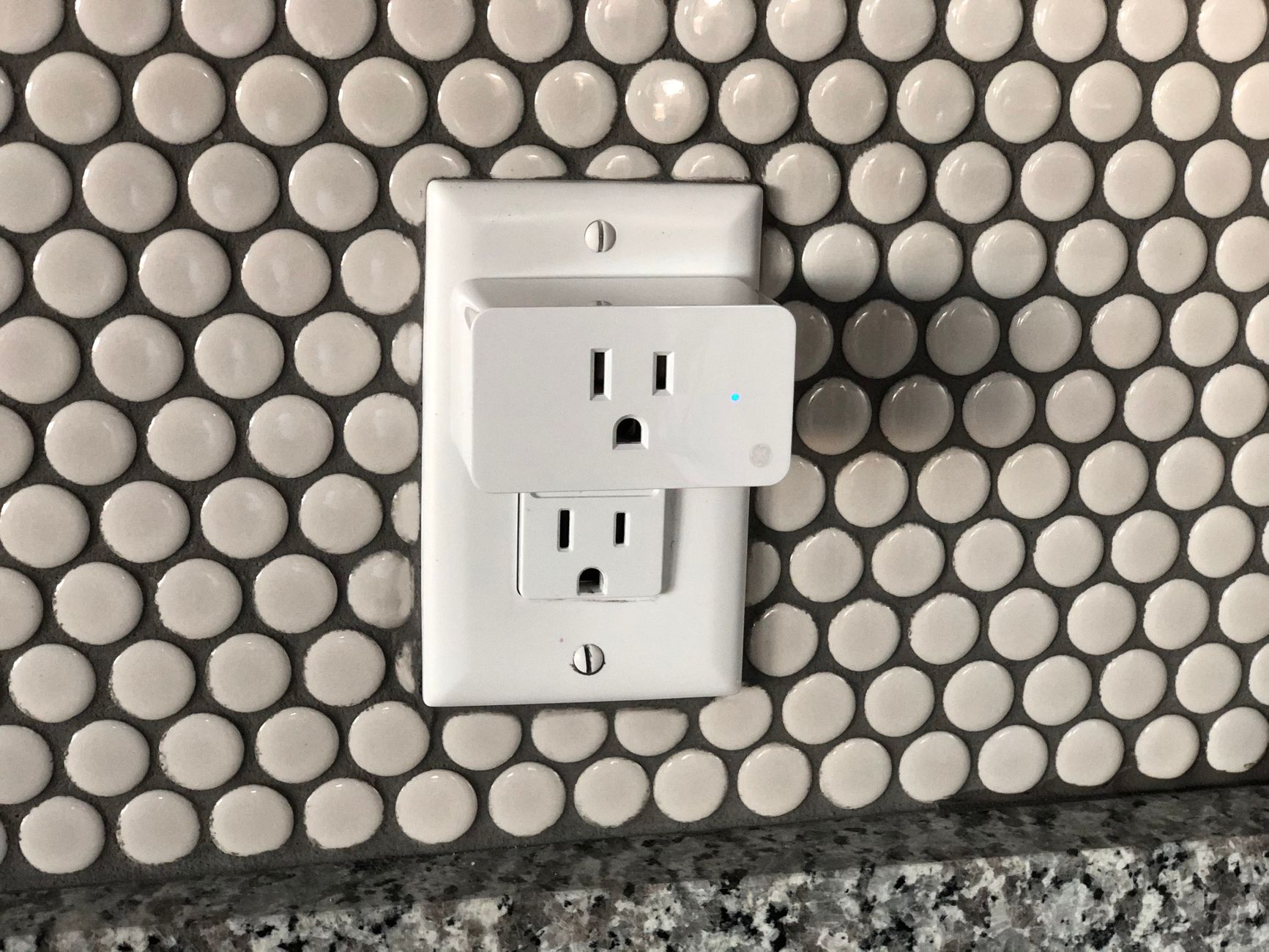
- Smart Plugs: Simply plug them into an existing outlet, then plug your appliance into the smart plug. Setup is usually done via an app.
- Smart Switches: These replace your existing wall switches and typically require basic electrical wiring knowledge. If you’re uncomfortable, hire a professional. Ensure your home has a neutral wire, which is often required for smart switches.
Security and Privacy
As with any connected device, consider the security and privacy practices of the manufacturer. Choose reputable brands that offer regular firmware updates and clear privacy policies. A strong home network password and two-factor authentication for smart home accounts are also crucial.
For more detailed information on smart home technology and its evolution, you can explore resources like Wikipedia’s Smart home article.
Frequently Asked Questions About Smart Home Plugs and Switches
Do smart plugs use a lot of electricity?
No, smart plugs use very little electricity themselves. They typically consume between 0.5 to 2 watts of power when idle, which is negligible over a year. Their primary energy-saving benefit comes from allowing you to easily turn off devices that would otherwise draw ‘phantom load’ or be left on unnecessarily.
Can I use smart plugs outdoors?
Yes, but only if they are specifically rated for outdoor use. Outdoor smart plugs feature weather-resistant housings (e.g., IP64 rating) to protect against dust, rain, and extreme temperatures. Using an indoor smart plug outdoors can be dangerous and damage the device.
What’s the difference between a smart plug and a smart switch?
A smart plug plugs into an existing wall outlet, allowing you to control any device plugged into it. It’s portable and easy to install. A smart switch replaces an existing in-wall light switch, offering permanent control over hardwired lighting or ceiling fans. Smart switches often provide better aesthetic integration and can offer features like dimming or multi-way control.
Are smart home devices secure?
The security of smart home devices varies by manufacturer and your own practices. Reputable brands prioritize security with encryption and regular firmware updates. To enhance security, always use strong, unique passwords, enable two-factor authentication, keep device firmware updated, and be mindful of the data you share. Using a robust home Wi-Fi network with strong encryption is also vital.
Conclusion
The landscape of smart home plugs and switches for 2026 offers an exciting array of choices to automate and enhance your living space. From simple Wi-Fi plugs that bring basic appliances online to sophisticated in-wall dimmers that transform your lighting, there’s a solution for every need and budget. By carefully considering compatibility, connectivity, and desired features, you can build a smart home that truly works for you, offering unparalleled convenience, energy savings, and peace of mind.
Don’t hesitate to explore our top picks and find the perfect devices to kickstart or expand your smart home journey. For more great tech recommendations, check out our other Elevate Your Workspace: Best Standing Desk Converters for 2026 buying guides!


One Reply to “Smart Home Plugs and Switches for 2026: The Ultimate Guide”