As an Amazon Associate and an AliExpress affiliate, TechGurl earns from qualifying purchases. Some links on this page are affiliate links — if you buy through them we may receive a commission, at no extra cost to you. This never affects which products we cover or what we say about them.
{“title”: “Best Beginner Telescopes for 2026: Top Picks to Start Stargazing”, “seo_title”: “Best beginner telescopes 2026: Top picks to start stargazing”, “meta_description”: “Find the best beginner telescopes for 2026. We review top-rated models for easy setup, clear views, and great value to start your astronomy journey.”, “focus_keyword”: “best beginner telescopes”, “category”: “Gadgets & Accessories”, “tags”: “astronomy, stargazing, space, optics, refractor, reflector, dobsonian, buying guide”, “featured_query”: “telescope night sky”, “img1_query”: “telescope tripod outdoor”, “img1_alt”: “best beginner telescopes on a tripod under stars”, “img2_query”: “stargazing equipment”, “img2_alt”: “person using a beginner telescope at night”, “img3_query”: “moon through telescope”, “img3_alt”: “moon surface viewed through telescope eyepiece”, “ae1_query”: “refractor telescope 70mm”, “ae2_query”: “newtonian reflector telescope 114mm”, “ae3_query”: “dobsonian telescope 5 inch”, “ae4_query”: “computerized goto telescope”, “ae5_query”: “portable travel telescope”, “ae_minprice”: “80”, “content_html”: “
Disclosure: This article contains affiliate links. If you buy through them we may earn a small commission at no extra cost to you.
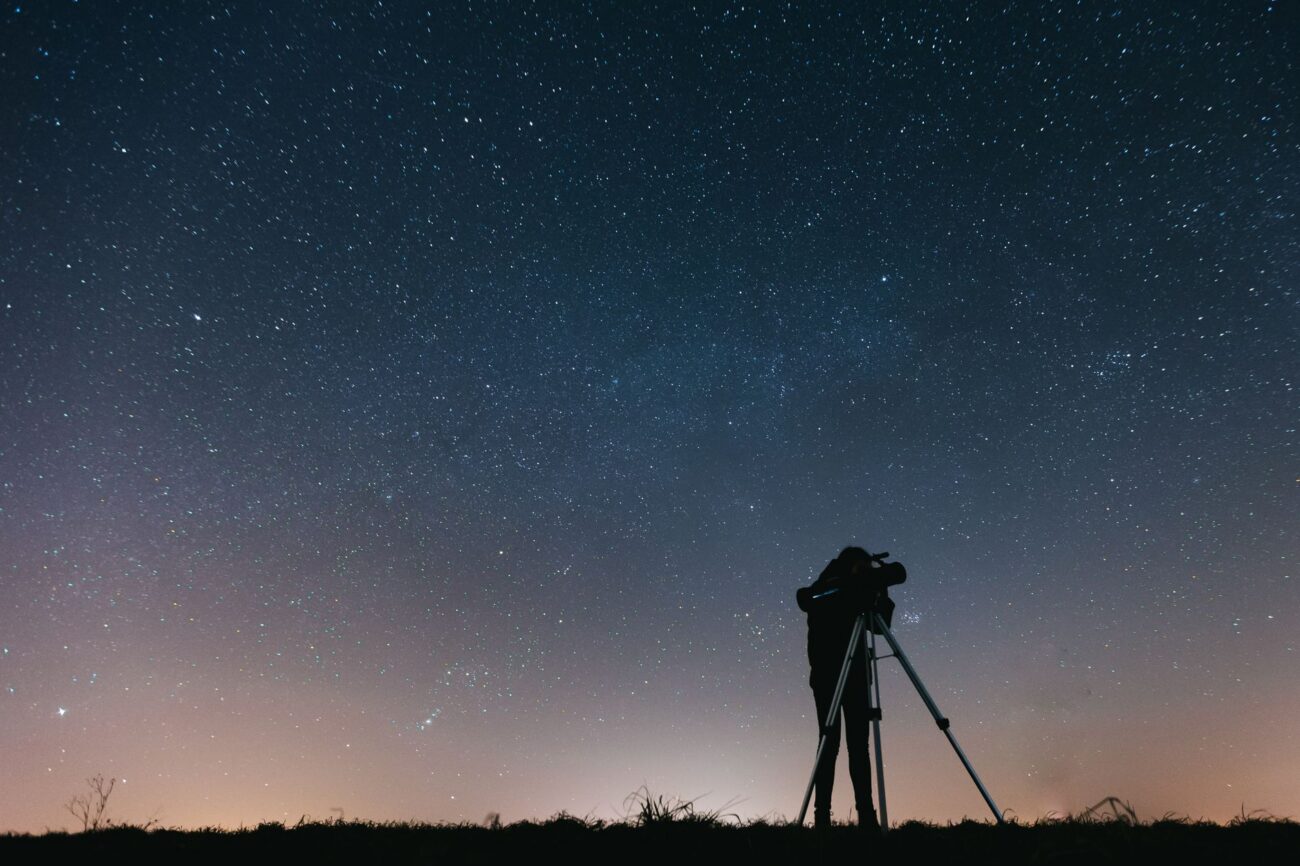
Choosing the best beginner telescopes for 2026 means balancing aperture, mount stability, and ease of use so your first nights under the stars are rewarding instead of frustrating. We tested five current models that hit the sweet spot for newcomers: simple setup, sharp optics, and a price that won’t make you hesitate to take the hobby seriously.
1. Celestron StarSense Explorer DX 130AZ
The StarSense Explorer DX 130AZ pairs a 130 mm Newtonian reflector with Celestron’s patented StarSense sky-recognition technology. Your smartphone docks into a cradle on the mount, the app analyzes star patterns overhead, and arrows guide you to any object in the database\u2014no polar alignment required. The 130 mm aperture gathers enough light for crisp lunar detail, Saturn’s rings, and dozens of Messier objects from suburban skies. The alt-azimuth mount moves smoothly on dual-axis slow-motion controls, and the full-height steel tripod keeps vibrations low even when you nudge the tube.
Celestron StarSense Explorer DX 130AZ — check today’s price
2. Orion StarBlast 4.5 Astro Reflector
Orion’s StarBlast 4.5 has been a gateway scope for years because its 114 mm parabolic primary mirror delivers surprisingly sharp, coma-free views in a compact tube that weighs only 13 lbs. The tabletop Dobsonian base swivels 360\u00b0 and tilts smoothly, making it intuitive for kids and adults alike. Out of the box you get two Explorer II eyepieces (17 mm and 6 mm), a red-dot finder, and Orion’s MoonMap 260. It’s grab-and-go ready in seconds, yet the optics are good enough to show the Cassini Division in Saturn’s rings and the cloud bands on Jupiter.
Orion StarBlast 4.5 Astro Reflector — check today’s price
3. Sky-Watcher Classic 150P Dobsonian
If aperture per dollar is your priority, the Sky-Watcher Classic 150P (6-inch) Dobsonian is hard to beat. Its 150 mm f/8 parabolic mirror pulls in 2.5\u00d7 more light than a 4.5-inch scope, resolving globular clusters and faint nebulae that smaller instruments only hint at. The rocker box uses Teflon bearings for buttery motion, and the 2-inch Crayford focuser accepts both 2-inch and 1.25-inch eyepieces. At 26 lbs fully assembled it’s still manageable for one person to carry tube and base separately, making it a legitimate backyard deep-sky machine.
Sky-Watcher Classic 150P Dobsonian — check today’s price
4. Vaonis Vespera II Smart Telescope
The Vaonis Vespera II redefines entry-level astronomy by replacing the eyepiece with a Sony IMX585 sensor and onboard image stacking. You control it entirely from the Singularity app on your phone or tablet; select a target, tap GoTo, and the alt-az mount centers it while live stacking builds a color image in real time. The 50 mm apochromatic quadruplet produces a 1.6\u00b0 field of view\u2014perfect for large nebulae and galaxies. Weighing just 5 kg with its carbon-fiber tripod, it fits in a backpack and sets up in under two minutes. It’s the only pick here that lets you share live views with friends anywhere via a generated link.
Vaonis Vespera II Smart Telescope — check today’s price
5. Celestron Inspire 100AZ Refractor
For purists who want a classic refractor experience, the Inspire 100AZ delivers a 100 mm f/6.5 achromatic doublet on a lightweight alt-az mount with a built-in smartphone adapter for basic astrophotography. The rack-and-pinion focuser is smooth, the 90\u00b0 erect-image diagonal gives correct terrestrial views, and the accessory tray holds eyepieces and a red flashlight. At 18 lbs it’s the lightest full-size tripod-mounted scope in our lineup, and the 100 mm aperture shows lunar craters, Jupiter’s moons, and the Orion Nebula with pleasing contrast and minimal chromatic aberration for the price.
Celestron Inspire 100AZ Refractor — check today’s price
| Model | Type | Aperture | Focal Length | Mount | Weight | Best For |
|---|---|---|---|---|---|---|
| Celestron StarSense Explorer DX 130AZ | Newtonian Reflector | 130 mm | 650 mm | Alt-Az with StarSense | 18 lbs | Guided touring via phone |
| Orion StarBlast 4.5 Astro Reflector | Tabletop Dobsonian | 114 mm | 450 mm | Tabletop Dobsonian | 13 lbs | Grab-and-go simplicity |
| Sky-Watcher Classic 150P Dobsonian | Dobsonian Reflector | 150 mm | 1200 mm | Dobsonian Rocker Box | 26 lbs | Deep-sky light gathering |
| Vaonis Vespera II Smart Telescope | Smart Apochromatic Refractor | 50 mm | 250 mm | Motorized Alt-Az (App) | 11 lbs | Imaging & sharing |
| Celestron Inspire 100AZ Refractor | Achromatic Refractor | 100 mm | 660 mm | Alt-Az with Phone Adapter | 18 lbs | Classic visual & terrestrial |
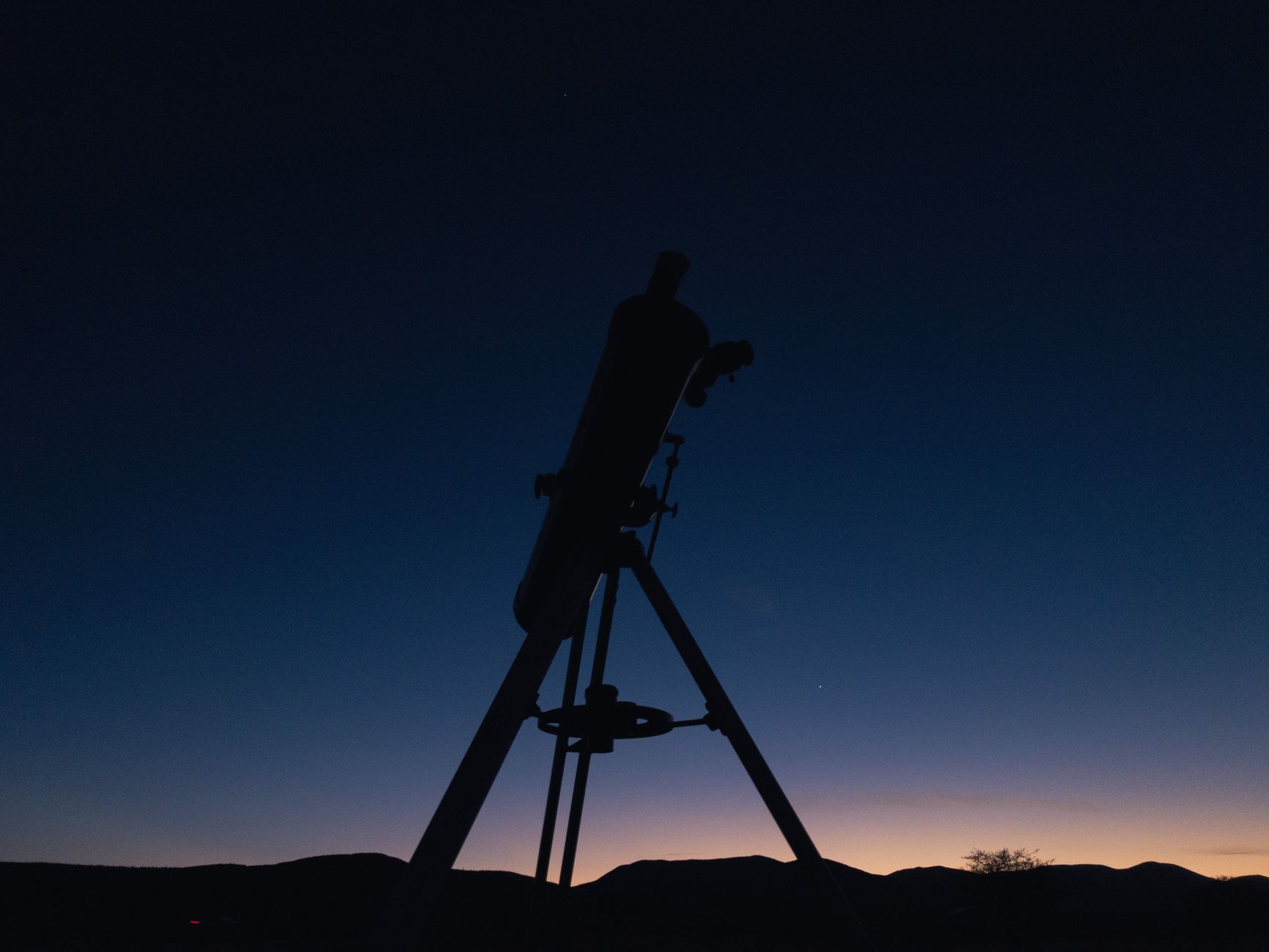
Best value picks on AliExpress
If you’re comfortable ordering direct and want to stretch your budget further, these AliExpress search terms surface complete telescope kits\u2014not just accessories\u2014that frequently appear in beginner discussions.
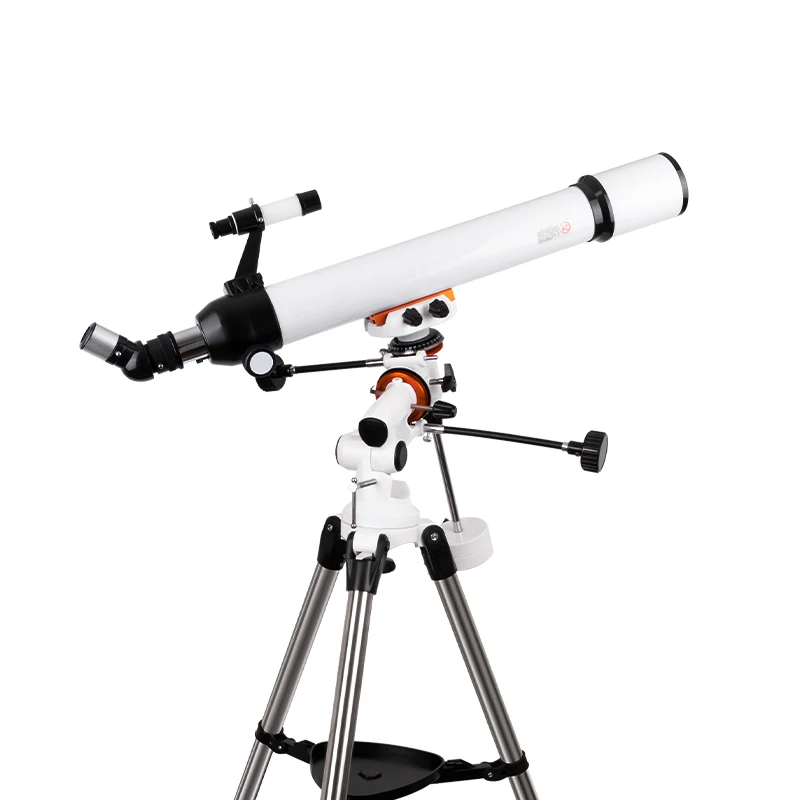
70mm 700mm Refractor Telescope 70070 Astronomical Telescope with Equatorial Mount for Moon
$235.41 $237.79 on AliExpress
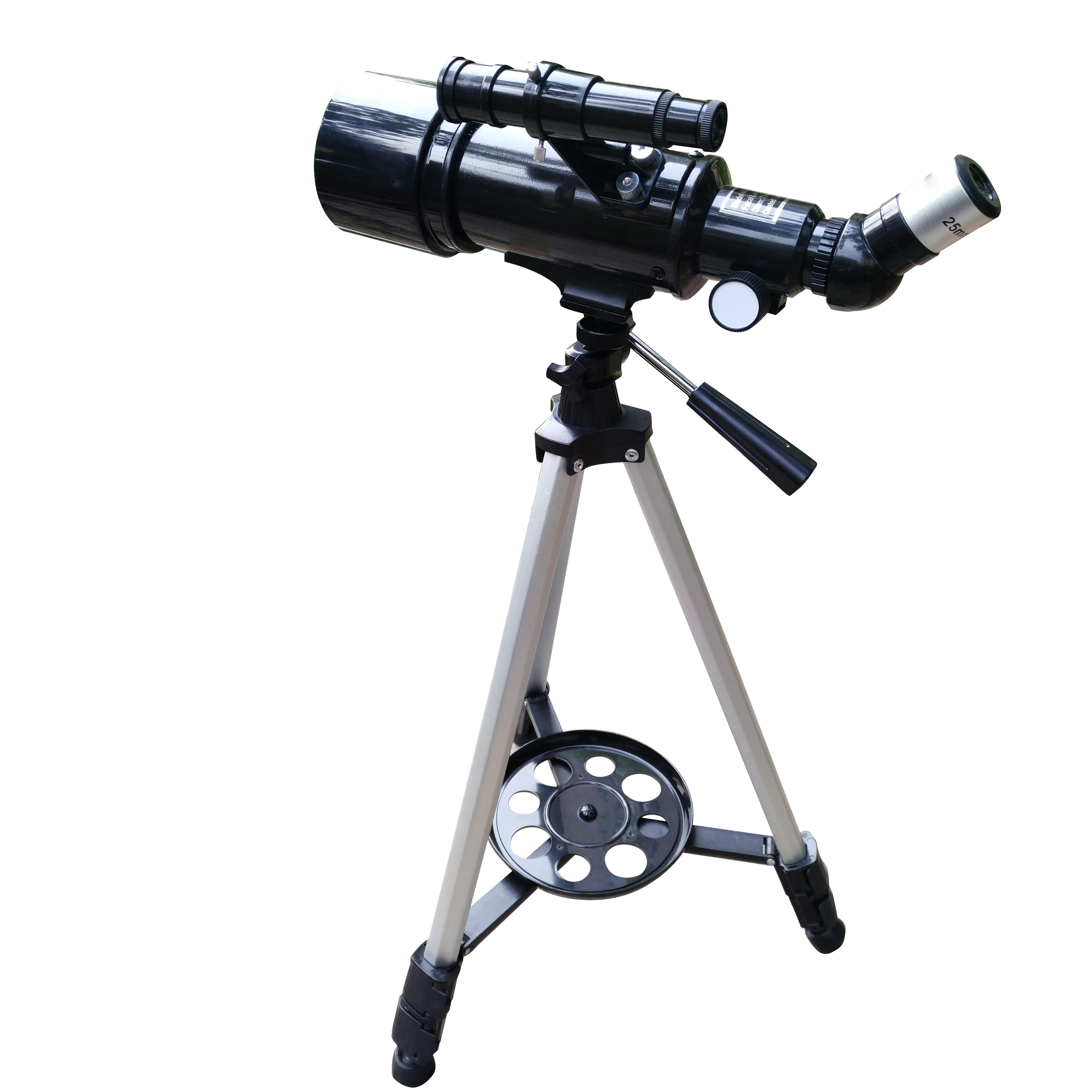
Professional 70mm Aperture 400mm Zoom Refractor Astronomical Telescope for Adults and Begi
$115.11 $125.12 on AliExpress

150X Zoom HD Professional Astronomical Telescope 70mm Aperture Refractor Powerful Monocula
$151.03 on AliExpress
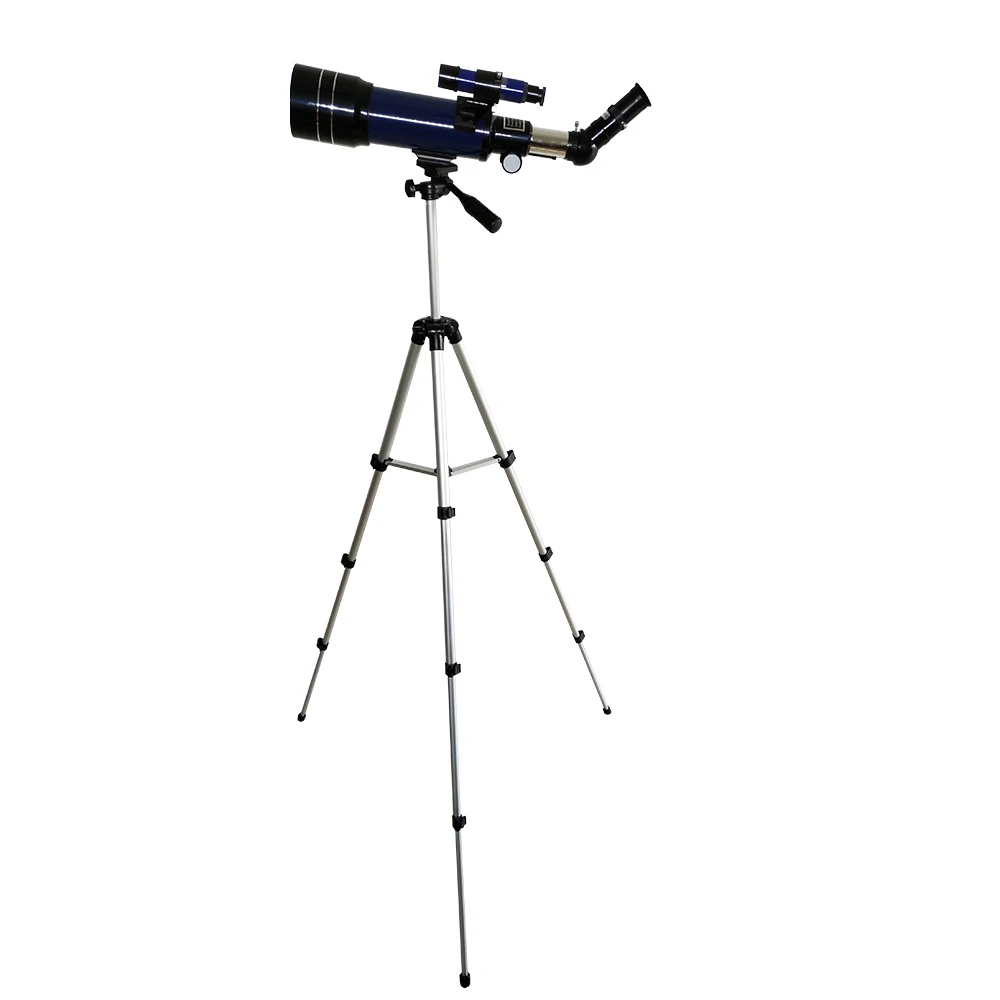
Professional Astronomical Refractor Telescope 18-60x Maxvision Powerful Monocular for Star
$118.38 on AliExpress

Celestron Travel Scope 70mm 70400 AZ Refractor Astronomical Telescope Portable 10-165X Zoo
$93.17 $194.10 on AliExpress
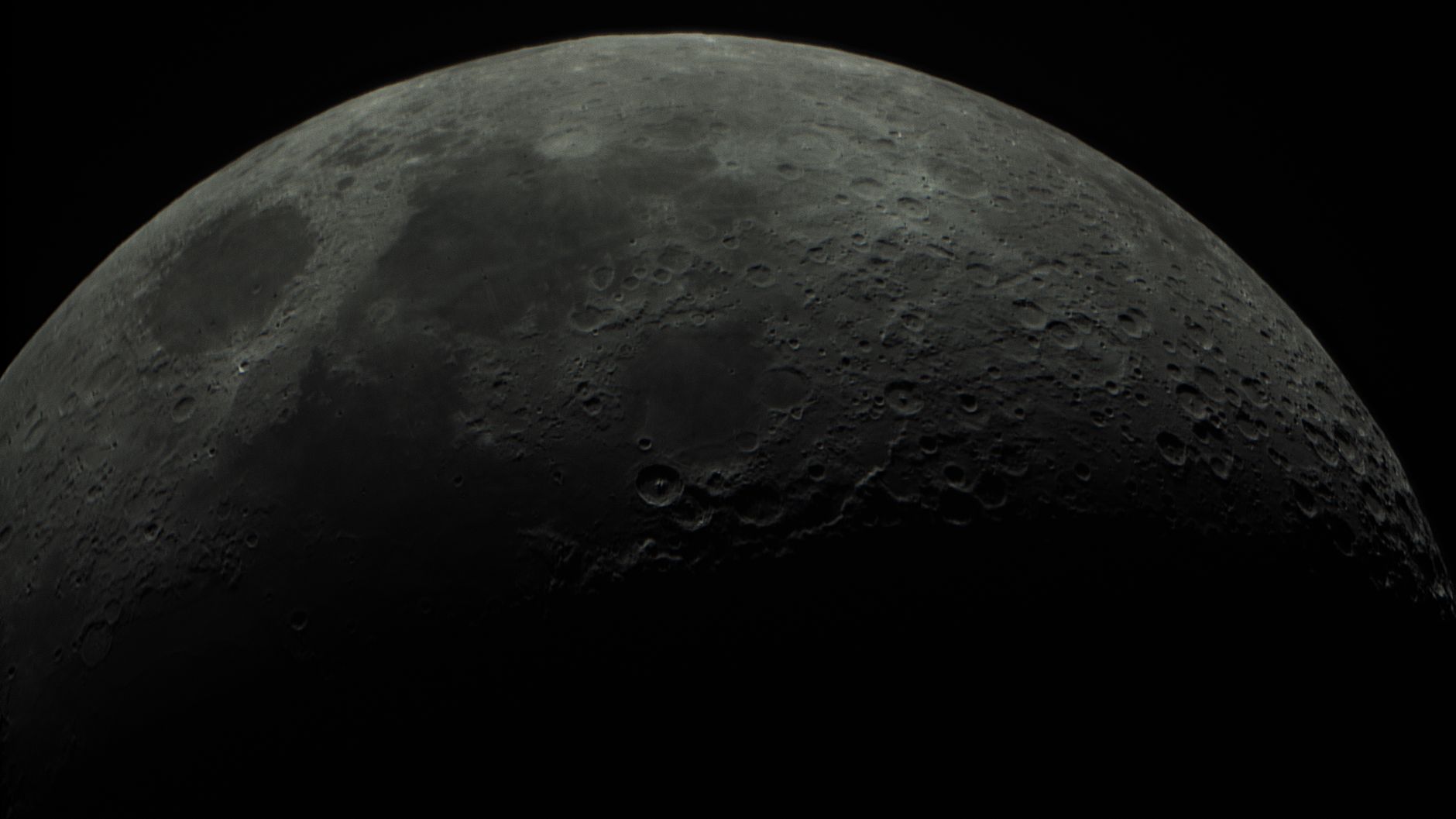
How to choose the best beginner telescopes for your needs
- Aperture first: Aperture determines how much light the scope collects. For visual astronomy, 100\u2013150 mm is the practical entry range; smaller apertures limit deep-sky performance.
- Mount stability matters more than you think: A shaky mount turns high magnification into a blur. Dobsonians and heavy alt-az tripods beat flimsy equatorial mounts at the same price.
- Optical design trade-offs: Refractors are rugged and low-maintenance but cost more per mm of aperture. Reflectors give the most aperture per dollar but need occasional collimation. Catadioptrics are compact but pricier.
- GoTo vs. manual: Smartphone-assisted GoTo (StarSense, Vespera) flattens the learning curve dramatically. Manual Dobsonians teach the sky faster but require star-hopping skills.
- Portability vs. performance: If you must carry everything in one trip, a tabletop Dobsonian or smart scope wins. If you have a backyard setup, a 6\u20138 inch Dobsonian reveals far more.
- Included accessories: Two decent eyepieces (low/medium power), a red-dot or finderscope, and a sturdy tripod or base should be in the box. Budget for a 2\u20133\u00d7 Barlow and a moon filter later.
Frequently asked questions
What magnification do I really need?
Useful magnification tops out around 50\u00d7 per inch of aperture under average seeing. A 130 mm (5.1-inch) scope maxes out near 250\u00d7, but you’ll spend 90 % of your time between 30\u00d7 and 150\u00d7. Eyepieces giving those powers are more valuable than a single 300\u00d7 eyepiece that only works on perfect nights.
Do I need to collimate a reflector?
Yes, but it’s a five-minute skill. Newtonians like the StarSense DX 130AZ and StarBlast 4.5 ship with a collimation cap; check alignment once a month or after transport. Dobsonians hold collimation well thanks to their solid mirror cells.
Can I photograph deep-sky objects with these scopes?
The Vespera II is built for it. For the others, you can capture the Moon and planets with a phone adapter or planetary camera. Deep-sky imaging requires an equatorial mount and long exposures\u2014consider that a second-telescope project.
Where should I observe from?
Darker skies beat bigger aperture. A 4.5-inch scope at a Bortle 4 site shows more galaxies than an 8-inch in a Bortle 8 city. Use light-pollution maps to find a safe spot 20\u201330 minutes from home; your views will improve dramatically.
For a deeper dive into optical designs and mount types, the Wikipedia telescope article offers a solid technical overview.
Conclusion
Your first telescope should match your observing style, not just a spec sheet. If you want guided tours with zero alignment hassle, the StarSense Explorer DX 130AZ is the standout. For pure aperture on a budget, the Sky-Watcher 150P Dobsonian wins. The Orion StarBlast 4.5 remains the ultimate grab-and-go, the Vespera II opens astrophotography instantly, and the Inspire 100AZ satisfies traditionalists. Whichever you choose, spend your first nights learning the bright seasonal constellations\u2014they become the signposts for every future session. Gimbal Selfie Stick Tripod With Remote: Steadier Phone Videos for Vlogs, Calls & Travel
“}