As an Amazon Associate and an AliExpress affiliate, TechGurl earns from qualifying purchases. Some links on this page are affiliate links — if you buy through them we may receive a commission, at no extra cost to you. This never affects which products we cover or what we say about them.
Disclosure: This article contains affiliate links. If you buy through them we may earn a small commission at no extra cost to you.
As we approach 2026, the demand for blazing-fast, ultra-reliable home networks is only intensifying, making the search for the best Wi-Fi 7 routers more relevant than ever. With more devices, higher bandwidth applications like 8K streaming, VR/AR, and cloud gaming becoming mainstream, Wi-Fi 6E is already struggling to keep pace. Enter Wi-Fi 7, also known as 802.11be or Extremely High Throughput (EHT), which promises to revolutionize wireless connectivity with unprecedented speeds, lower latency, and enhanced capacity.
Why Wi-Fi 7 Matters for Your Home Network
Wi-Fi 7 isn’t just a minor upgrade; it’s a monumental leap forward in wireless technology. Designed to handle the most demanding network environments, it introduces several groundbreaking features:
- Multi-Link Operation (MLO): This is perhaps the most significant innovation. MLO allows devices to simultaneously send and receive data across different frequency bands (2.4 GHz, 5 GHz, and 6 GHz). This means your devices can utilize the best available channels on multiple bands at once, dramatically increasing throughput and reducing latency. Think of it as a multi-lane highway for your data.
- 320 MHz Channels: Wi-Fi 7 doubles the channel width in the 6 GHz band, allowing for massive data streams. Wider channels mean more data can be transmitted at once, leading to significantly higher speeds.
- 4096-QAM (Quadrature Amplitude Modulation): This advanced modulation scheme packs even more data into each signal, boosting peak theoretical speeds by 20% compared to Wi-Fi 6/6E’s 1024-QAM.
- Preamble Puncturing: This feature allows a router to utilize available portions of a wide channel even if part of it is occupied, improving efficiency and reducing interference.
- Increased Capacity: With these improvements, Wi-Fi 7 can support a higher density of devices without sacrificing performance, making it ideal for smart homes packed with IoT gadgets.
For gamers, content creators, VR enthusiasts, and anyone who demands the absolute best from their home network, investing in one of the best Wi-Fi 7 routers is a crucial step towards future-proofing their digital life. By 2026, more client devices will support Wi-Fi 7, making these routers an essential upgrade.
Our Top Picks: Best Wi-Fi 7 Routers for 2026
After extensive research and considering performance, features, design, and future-readiness, we’ve identified the leading Wi-Fi 7 routers that will dominate the market in 2026. These devices represent the pinnacle of wireless engineering, offering unmatched speed and reliability.
1. TP-Link Archer BE900
The TP-Link Archer BE900 is a design marvel and a performance beast. With its distinctive X-shaped LED display and 12 internal antennas, it delivers a staggering 24.4 Gbps total bandwidth across four bands (one 2.4 GHz, two 5 GHz, and one 6 GHz). It’s equipped with two 10 Gigabit ports (one WAN/LAN, one LAN) and four 2.5 Gigabit LAN ports, ensuring ample wired connectivity for even the most demanding setups. The BE900 is perfect for large homes with multiple power users, offering exceptional coverage and speed for gaming, 8K streaming, and professional work.
TP-Link Archer BE900 — check today’s price
2. Netgear Nighthawk RS700S
Netgear’s Nighthawk RS700S brings the iconic Nighthawk design into the Wi-Fi 7 era with a sleek, vertical form factor. This tri-band router boasts combined speeds of up to 19 Gbps, utilizing a powerful internal antenna array. It features a 10 Gigabit WAN/LAN port and four 2.5 Gigabit LAN ports, providing robust wired connections. The RS700S is engineered for high-performance and low-latency applications, making it an excellent choice for serious gamers and users who prioritize raw speed and stability in a compact, stylish package.
Netgear Nighthawk RS700S — check today’s price
3. ASUS ROG Rapture GT-BE98 Pro
For the ultimate gaming experience, the ASUS ROG Rapture GT-BE98 Pro is in a league of its own. This quad-band monster offers a combined speed of up to 25 Gbps, specifically optimized with gaming features like a dedicated gaming port, QoS, and VPN Fusion. Its aggressive, gamer-centric design houses powerful internal antennas and it comes with two 10 Gigabit ports (one WAN/LAN, one LAN) and four 2.5 Gigabit LAN ports. If you’re a competitive gamer or streamer, the GT-BE98 Pro provides the lowest latency and highest throughput necessary for victory.
ASUS ROG Rapture GT-BE98 Pro — check today’s price
4. Linksys Velop Pro 7
The Linksys Velop Pro 7 is an excellent choice for those seeking a powerful mesh Wi-Fi 7 system. Designed to provide seamless whole-home coverage, these tri-band nodes deliver speeds up to 66 Gbps (for a 3-pack system, individual nodes are BE66000), eliminating dead zones and ensuring consistent performance across large areas. Each node typically includes multiple 2.5 Gigabit ports, offering both wired backhaul options and high-speed connections for local devices. The Velop Pro 7 is ideal for larger homes with multiple floors or complex layouts, where a single router struggles to provide adequate coverage.
Linksys Velop Pro 7 — check today’s price
5. Eero Max 7
The Eero Max 7 represents Amazon’s entry into the Wi-Fi 7 mesh space, offering simplicity, strong performance, and tight integration with the Eero ecosystem. This tri-band mesh system is designed for effortless setup and management, providing speeds up to 9.4 Gbps per node. Each unit features two 10 Gigabit ports and two 2.5 Gigabit ports, making it highly versatile for both wired and wireless connections. Eero Max 7 is perfect for users who value ease of use, robust security features, and reliable whole-home coverage, especially within an Amazon smart home environment.
Eero Max 7 — check today’s price
Here’s a quick comparison of our top picks:
| Feature | TP-Link Archer BE900 | Netgear Nighthawk RS700S | ASUS ROG Rapture GT-BE98 Pro | Linksys Velop Pro 7 (Single Node) | Eero Max 7 (Single Node) |
|---|---|---|---|---|---|
| Bands | Quad-Band | Tri-Band | Quad-Band | Tri-Band | Tri-Band |
| Max Combined Speed | 24.4 Gbps | 19 Gbps | 25 Gbps | 6.6 Gbps | 9.4 Gbps |
| 10 Gigabit Ports | 2 | 1 | 2 | 0 (2.5G only) | 2 |
| 2.5 Gigabit Ports | 4 | 4 | 4 | 2 | 2 |
| Target User | Tech Enthusiasts, Large Homes | High-Performance Users, Gamers | Serious Gamers, Streamers | Large Homes, Mesh Seekers | Smart Home Users, Simplicity |

Best value picks on AliExpress
While the premium Wi-Fi 7 routers offer top-tier performance, AliExpress can be a treasure trove for more budget-friendly or unique options. Here are some search queries to help you find compelling Wi-Fi 7 devices that offer great value:
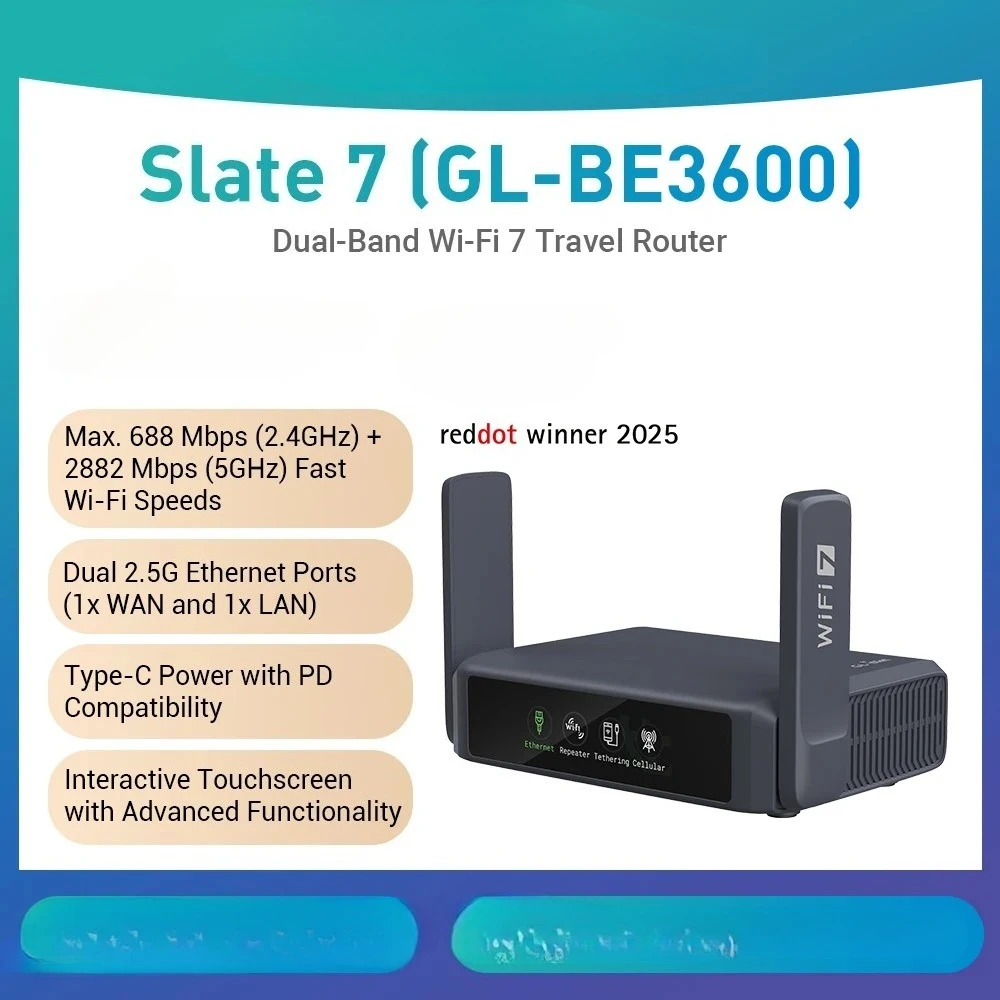
GL-BE3600( Slate 7) Wi-Fi 7 Router, Dual 2.5G Ports, Touch Screen, 3570Mbps Gaming Hotspo
$221.60 $226.12 on AliExpress
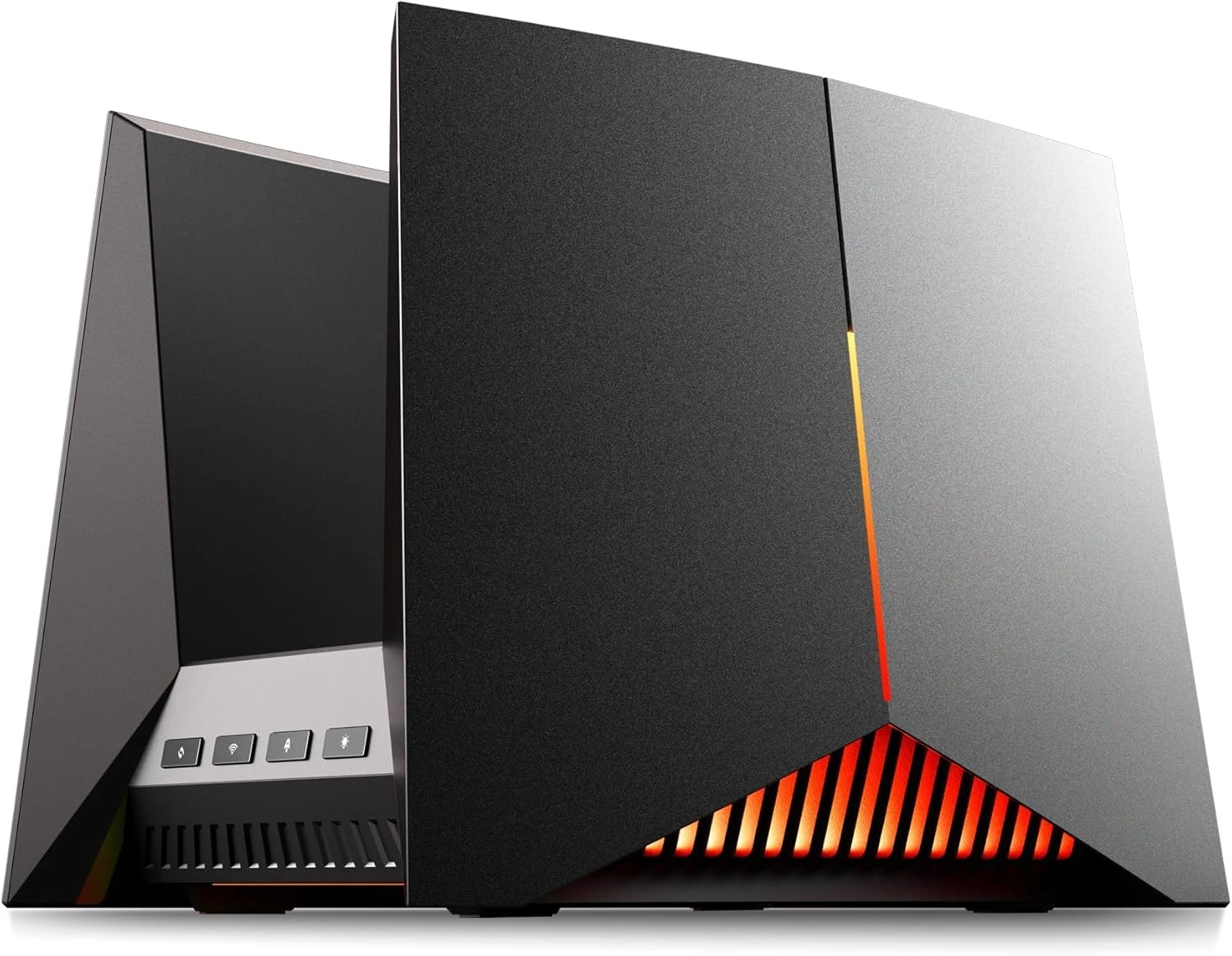
Tri-Band BE19000 Wi-Fi 7 Gaming Router Archer GE800 | 12-Stream | 2×10G + 4×2.5G Ports, US
$351.45 $549.14 on AliExpress
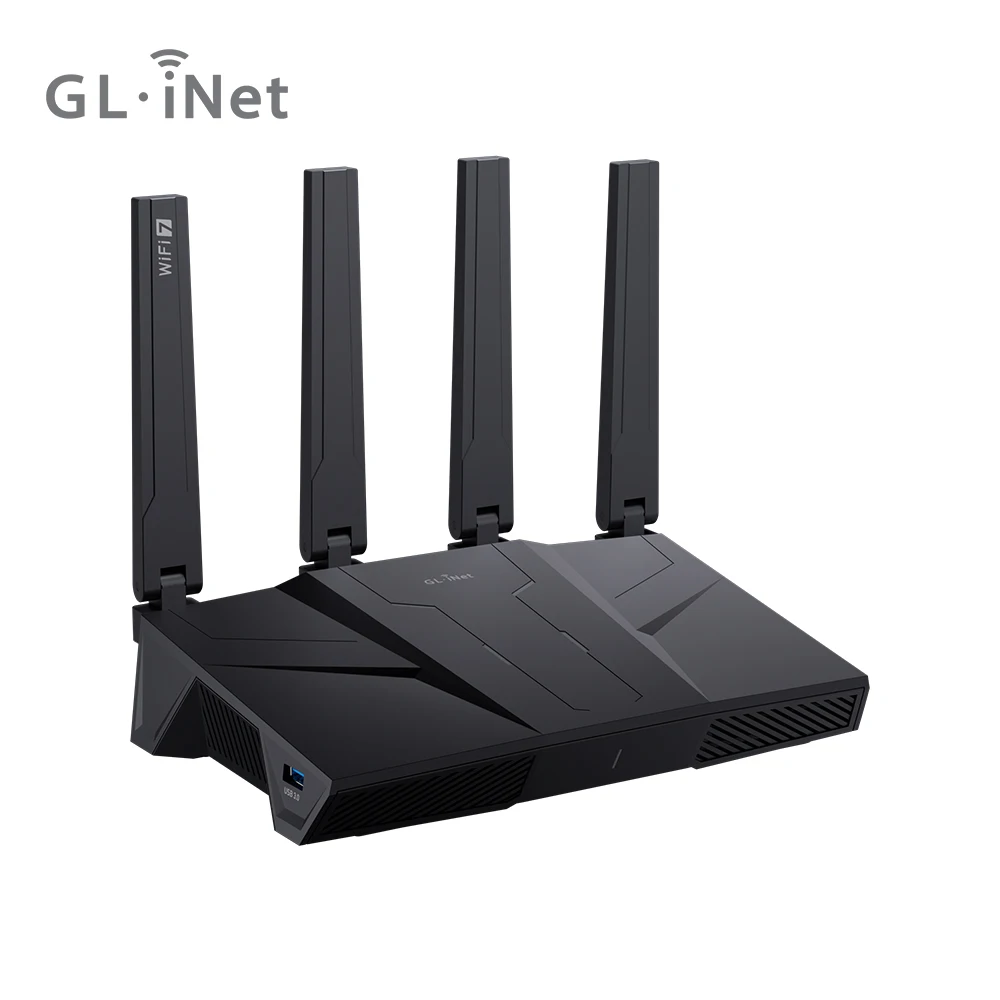
GL.iNet GL-BE9300 Flint 3 Tri-Band WiFi 7 Router High Speed Gaming Long Range 5x 2.5G VPN
$205.33 $410.66 on AliExpress

ASUS WiFi 7 TUF Gaming Router BE3600 AiMesh Extendable Router, 4K-QAM, MLO, AI Detection 2
$122.99 $267.37 on AliExpress
GL.iNet GL-BE9300 Flint 3 Tri-Band WiFi 7 Router High Speed Gaming Long Range 5x 2.5G VPN
$192.31 $427.35 on AliExpress
How to Choose the Best Wi-Fi 7 Routers
Selecting the right Wi-Fi 7 router involves more than just looking at the biggest numbers. Consider your specific needs, home size, and the types of devices you’ll be connecting.
Understanding Wi-Fi 7 (802.11be)
Wi-Fi 7, officially IEEE 802.11be, builds upon Wi-Fi 6E by expanding its capabilities, particularly in the 6 GHz band. Key enhancements like Multi-Link Operation (MLO) allow devices to use multiple frequency bands simultaneously, leading to unprecedented speed and reliability. This technology is crucial for applications that demand extremely low latency and high bandwidth. For a deeper dive into the technical specifications, you can refer to the Wi-Fi 7 Wikipedia page.
Key Features to Look For:
- Speed and Bands: Look for total theoretical throughput (e.g., BE19000, BE24000). Tri-band (2.4 GHz, 5 GHz, 6 GHz) is standard for Wi-Fi 7, but some high-end models offer quad-band for even better traffic distribution.
- Multi-Link Operation (MLO): Ensure the router explicitly supports MLO for maximum performance gains.
- Wired Ports: High-speed wired ports are essential. Look for at least one 10 Gigabit WAN/LAN port and several 2.5 Gigabit LAN ports to connect high-bandwidth devices like NAS, gaming PCs, or other network switches.
- Mesh Capabilities: For larger homes or complex layouts, consider a mesh Wi-Fi 7 system. These provide seamless coverage by distributing multiple nodes throughout your home.
- Processor & RAM: A powerful multi-core processor and ample RAM are crucial for handling multiple high-speed connections and advanced features without slowdowns.
- Advanced Features: Look for Quality of Service (QoS) for prioritizing traffic, robust parental controls, advanced security features (WPA3, built-in antivirus), and VPN support.
- Antennas: While some routers have internal antennas, external ones can sometimes offer better adjustability for optimizing signal direction. More antennas generally mean better coverage and signal strength.
- Price: Wi-Fi 7 routers are a premium investment. Set a budget, but be prepared to spend more for top-tier performance and features.
Wi-Fi 7 Router FAQ
What is Wi-Fi 7 and why do I need it?
Wi-Fi 7 (802.11be, or Extremely High Throughput) is the latest generation of Wi-Fi technology, offering significantly faster speeds, lower latency, and greater capacity than previous standards. You need it if you have many smart home devices, stream 8K video, engage in VR/AR, competitive online gaming, or run a home office with demanding bandwidth requirements. It’s about future-proofing your network for the next wave of internet-connected devices and applications.
Is Wi-Fi 7 backward compatible?
Yes, Wi-Fi 7 routers are fully backward compatible with older Wi-Fi standards like Wi-Fi 6E, Wi-Fi 6, Wi-Fi 5 (802.11ac), and even older versions. Your existing devices will still be able to connect to a Wi-Fi 7 router, though they will operate at their respective maximum Wi-Fi standard speeds, not the full Wi-Fi 7 speeds.
What devices support Wi-Fi 7?
As of late 2023/early 2024, Wi-Fi 7 client devices are emerging, primarily in high-end smartphones, laptops, and some gaming devices. By 2026, we expect a much wider array of devices, including smart TVs, VR headsets, and other consumer electronics, to come with native Wi-Fi 7 support, making the upgrade to a Wi-Fi 7 router a truly beneficial investment.
How much does a good Wi-Fi 7 router cost?
Wi-Fi 7 routers are currently at the high end of the market due to their advanced technology. Expect to pay anywhere from $300 to $800+ for a single, high-performance Wi-Fi 7 router. Mesh systems, which include multiple nodes, will naturally be more expensive, often ranging from $800 to $1500+ for a complete setup. Prices are expected to become more competitive as the technology matures.
Conclusion
Choosing the best Wi-Fi 7 routers for 2026 means investing in the future of your home network. With incredible speeds, robust capacity, and game-changing features like MLO, these routers are poised to handle the most demanding digital environments. Whether you’re a hardcore gamer, a remote professional, or simply want the best possible connectivity for your smart home, there’s a Wi-Fi 7 solution for you. Explore our Lenovo ThinkPad T570 Booting the laptop results in an error: No device, check drive cable? other guides for more tech insights and product recommendations.



One Reply to “Unlock Hyper-Speed: Best Wi-Fi 7 Routers for 2026”