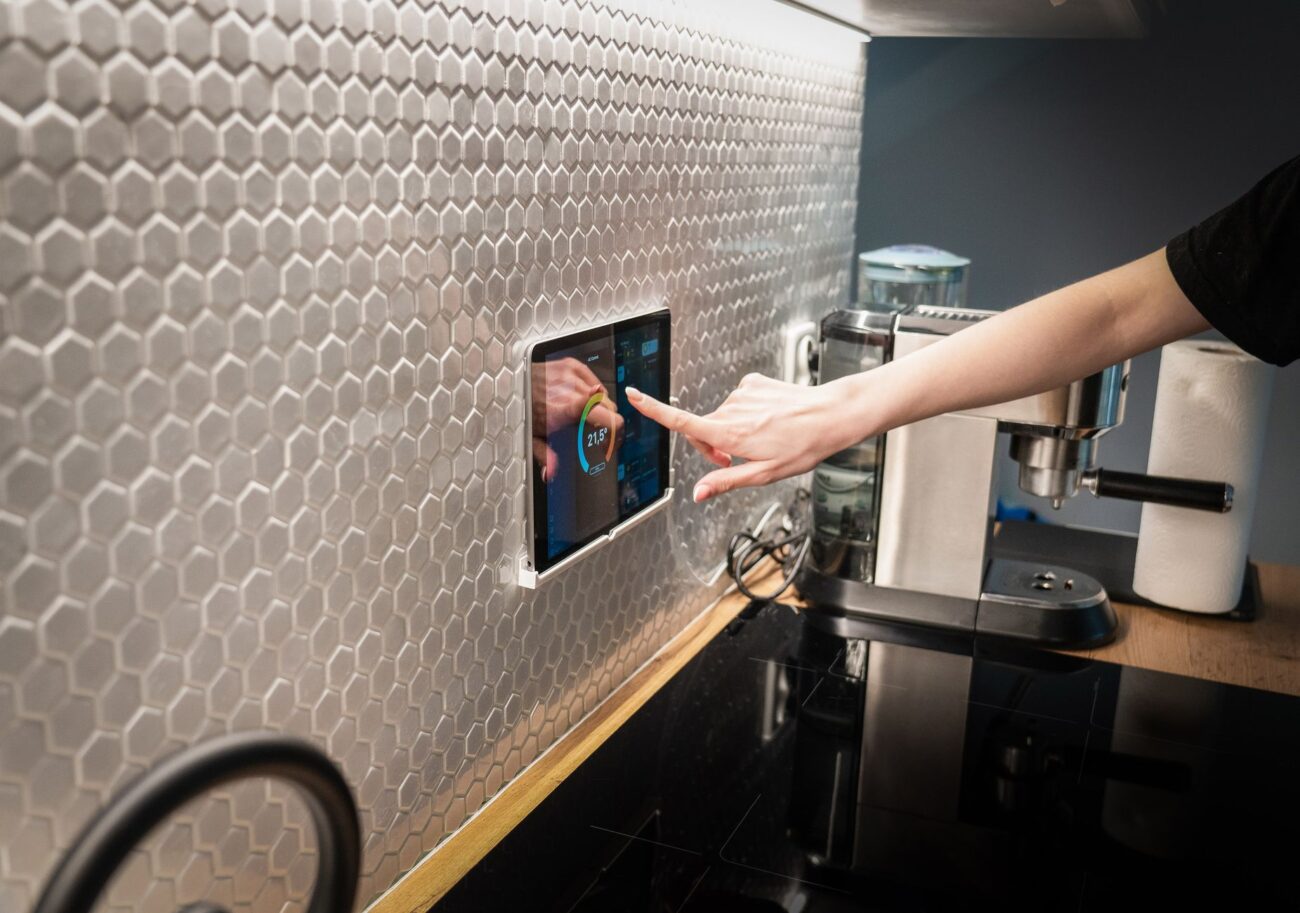
OpenAI, a leader in artificial intelligence, is reportedly venturing into the hardware space with plans to develop a screen-free ChatGPT smart speaker, targeting a 2027 release. This development, as reported by extremetech.com, signals a significant strategic move for the company, potentially bringing its advanced conversational AI directly into homes in a dedicated form factor. The prospect of a device solely focused on voice interaction, devoid of a screen, could redefine how users engage with AI assistants in their daily lives.
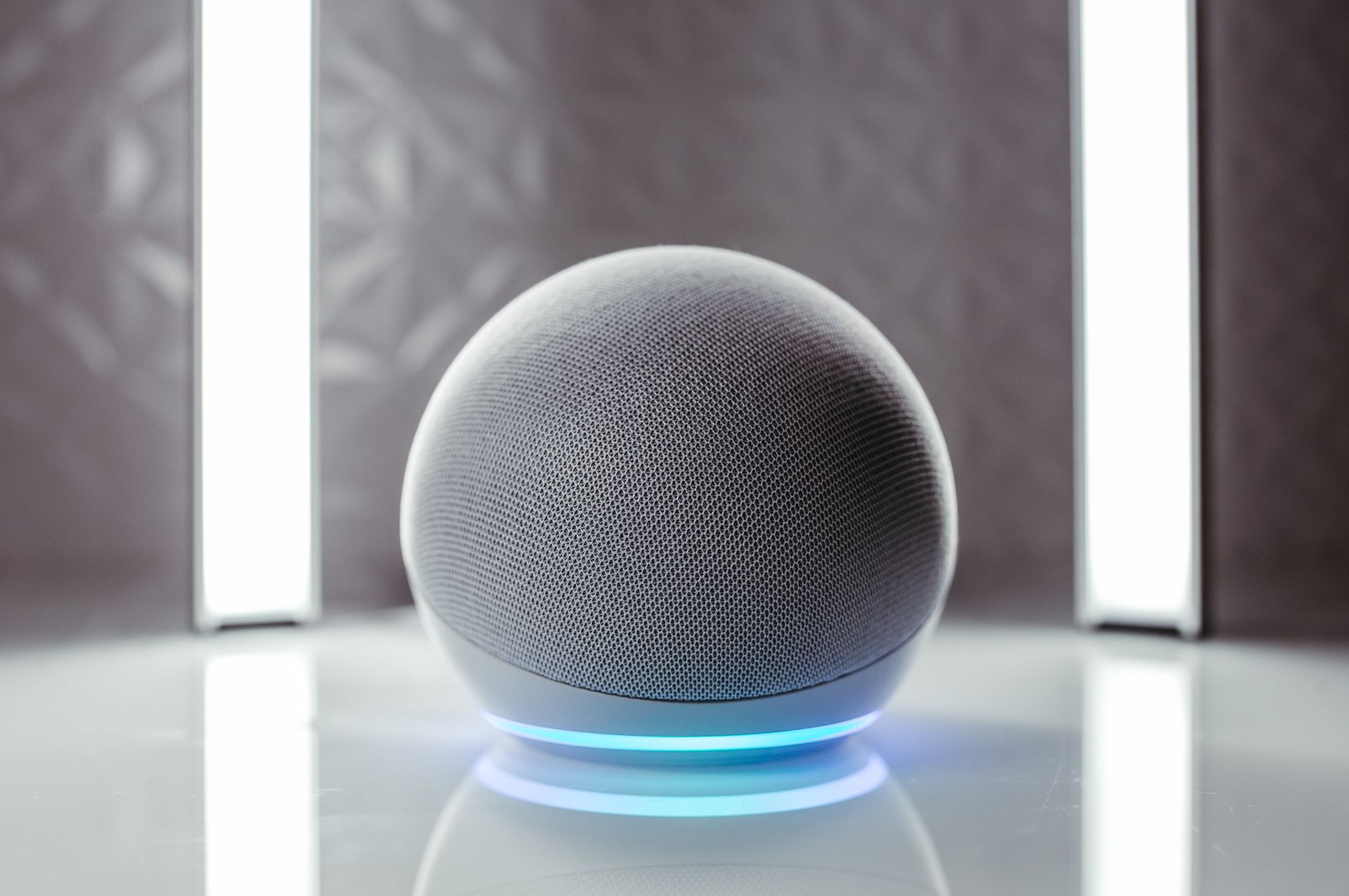
OpenAI, renowned for its advancements in generative AI models like GPT-3, GPT-4, and DALL-E, has primarily focused on software and API development. This reported foray into hardware signifies a strategic diversification, placing them in direct competition with tech giants already entrenched in the consumer electronics market. The move could be seen as an effort to control the end-to-end user experience, ensuring that the power of their AI is delivered through optimized hardware, rather than relying solely on third-party integrations. This approach mirrors the strategies of companies like Apple and Google, who tightly integrate their software with proprietary hardware to deliver cohesive and powerful user experiences. A dedicated ChatGPT smart speaker would allow OpenAI to showcase its AI capabilities without the constraints of existing platforms or the need for a screen interface.
The design choice for a screen-free ChatGPT smart speaker is particularly intriguing in an era where many smart devices, from smart displays to augmented reality glasses, are incorporating more visual elements. This decision emphasizes a commitment to an audio-first interaction model, aiming for a more natural, intuitive, and potentially less distracting user experience. By removing a screen, OpenAI could be betting on the strength of ChatGPT’s conversational abilities to carry the entire interaction, fostering a deeper, more personal connection with the AI. Such a device would need to excel in understanding nuanced speech, managing complex multi-turn conversations, and delivering information clearly and concisely through audio, relying heavily on the sophisticated natural language processing and generation that ChatGPT is known for. It could also cater to users who prefer minimalism, privacy, or an auditory-focused interface over visual clutter.
The smart speaker market, while mature, still sees innovation, particularly in AI capabilities. Amazon’s Alexa and Google Assistant have set high benchmarks, but a dedicated OpenAI device could introduce a new paradigm. Rather than being a general-purpose assistant, a ChatGPT smart speaker might focus on advanced conversational tasks, creative generation, or highly personalized assistance that leverages ChatGPT’s unique strengths. This could force existing players to accelerate their own AI integrations, leading to a more competitive landscape and ultimately benefiting consumers with more capable and intelligent voice assistants. The reported 2027 launch date gives OpenAI significant time to refine the technology, address potential challenges, and strategically position its product in a crowded market.
The Future of Voice AI with a ChatGPT Smart Speaker
A dedicated ChatGPT smart speaker could revolutionize daily routines. Imagine an AI that can not only answer factual questions but also engage in creative brainstorming, assist with complex problem-solving, or even act as a conversational companion, all through natural voice interaction. For this vision to materialize by 2027, OpenAI would need to ensure robust privacy features, seamless integration with various services, and an intuitive setup process. The device’s ability to maintain context over long conversations, adapt to individual user preferences, and offer proactive assistance without a screen would be paramount to its success. This venture could also spur further research and development in areas like emotional intelligence for AI, making interactions even more human-like.
What this means for you: For consumers, the prospect of a screen-free ChatGPT smart speaker from OpenAI means a potentially new frontier in how we interact with artificial intelligence. It hints at a future where AI assistants are not just utilities but sophisticated conversational partners, deeply integrated into the fabric of our homes and daily lives. This development could herald a new era of voice-first computing, offering more intuitive, personalized, and less visually intrusive ways to access information, manage tasks, and connect with the digital world. As the AI landscape continues to evolve rapidly, keeping abreast of these innovations will be key to understanding the next wave of consumer technology. For further insights into emerging tech trends, explore our AirPods Ultra Reportedly Set for Launch Next Month comprehensive guides.