Disclosure: This article contains affiliate links. If you buy through them we may earn a small commission at no extra cost to you.
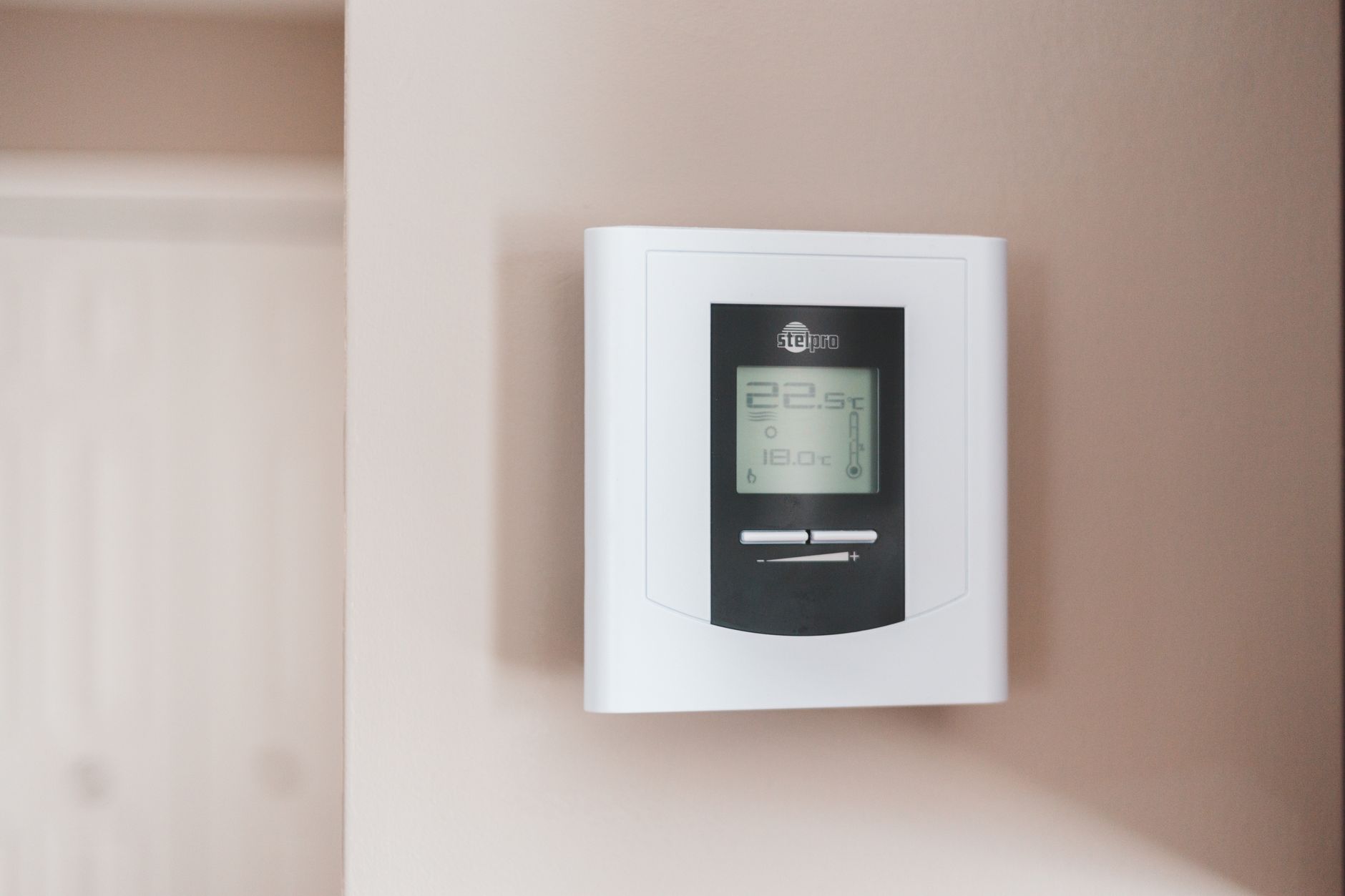
Welcome to 2026, where your home’s climate control is smarter, more efficient, and more intuitive than ever before. If you’re looking to upgrade your living space with cutting-edge technology, finding the best smart thermostats is a fantastic place to start. These devices do more than just adjust the temperature; they learn your habits, optimize energy usage, and integrate seamlessly into your smart home ecosystem, offering unparalleled comfort and significant savings on utility bills. From voice control to remote access, the latest generation of smart thermostats brings convenience and intelligence right to your fingertips.
Gone are the days of manually adjusting your thermostat or returning to an uncomfortably hot or cold house. Modern smart thermostats leverage advanced sensors, artificial intelligence, and connectivity to create a truly personalized climate experience. Whether you’re a tech enthusiast eager to automate every aspect of your home or simply looking for a simpler way to manage energy consumption, there’s a smart thermostat designed to meet your needs. In this comprehensive guide, we’ll explore the top contenders for 2026, highlighting their unique features, benefits, and why they stand out in a crowded market.
1. Ecobee Smart Thermostat Premium
The Ecobee Smart Thermostat Premium continues to set the bar high for intelligent home climate control. This device isn’t just a thermostat; it’s a comprehensive home comfort hub. It features an integrated air quality sensor that monitors indoor air for volatile organic compounds (VOCs), carbon dioxide, and humidity, providing actionable insights to improve your home’s air quality. With built-in Alexa and Siri voice assistants, it acts as a smart speaker, allowing you to control your home, play music, and make calls directly from the thermostat.
Its included SmartSensor extends temperature sensing to the rooms that matter most, ensuring comfort where you are. The Ecobee Smart Thermostat Premium also boasts advanced energy-saving features like eco+ and geofencing, which learn your schedule and adjust settings automatically to save energy when you’re away. Its intuitive touchscreen display and robust app control make managing your home’s climate effortless, while its sleek design complements any modern interior.
Ecobee Smart Thermostat Premium — check today’s price
2. Google Nest Learning Thermostat (3rd Gen)
The Google Nest Learning Thermostat (3rd Gen) remains a timeless classic, revered for its elegant design and groundbreaking learning capabilities. This thermostat truly lives up to its name, learning your preferred temperatures and programming itself in about a week. It automatically creates a personalized schedule that saves energy, adapting to your habits and even recognizing when you’re away to switch to an Eco Temperature.
Features like Farsight illuminate the display with the temperature or time when it sees you across the room, adding a touch of convenience. Its energy history reports allow you to see how much energy you’ve used and why, empowering you to make smarter choices. Compatible with a wide range of HVAC systems and integrating seamlessly with the Google Home ecosystem, the Nest Learning Thermostat offers a blend of sophistication and simplicity that’s hard to beat.
Google Nest Learning Thermostat (3rd Gen) — check today’s price
3. Honeywell Home T9 Smart Thermostat
For those seeking precise comfort control across multiple rooms, the Honeywell Home T9 Smart Thermostat is an excellent choice. What sets the T9 apart is its ability to connect with wireless smart room sensors (sold separately or included in bundles) to detect temperature and humidity in different areas of your home. This allows for intelligent zoning, prioritizing comfort in the rooms you’re using, rather than just averaging the temperature of your entire house.
The T9 features geofencing technology, which uses your smartphone’s location to know when you’re coming and going, automatically adjusting the temperature to save energy. Its clear, full-color touchscreen display is easy to navigate, and it integrates with popular voice assistants like Amazon Alexa and Google Assistant for hands-free control. With robust app control and smart alerts for filter changes or extreme temperatures, the Honeywell Home T9 provides comprehensive and flexible climate management.
Honeywell Home T9 Smart Thermostat — check today’s price
4. Amazon Smart Thermostat
For users deeply integrated into the Amazon ecosystem, the Amazon Smart Thermostat offers an incredibly compelling and affordable option. Designed to work seamlessly with Alexa, this thermostat makes climate control as simple as a voice command. Its minimalist design blends discreetly into any home, focusing on core smart thermostat functionalities without unnecessary frills, making it one of the most accessible smart thermostats on the market.
The Amazon Smart Thermostat is Energy Star certified, promising to help you save energy and money. It can be controlled from anywhere using the Alexa app, allowing you to adjust temperatures, set schedules, and monitor your usage on the go. While it doesn’t have a learning function like some premium models, its smart scheduling and Alexa integration provide powerful automation for a fraction of the cost, making it an ideal entry point into smart climate control.
Amazon Smart Thermostat — check today’s price
5. Emerson Sensi Touch Wi-Fi Smart Thermostat
The Emerson Sensi Touch Wi-Fi Smart Thermostat is a highly versatile and user-friendly option that delivers precise temperature control and broad compatibility. Its vibrant, high-definition touchscreen display provides easy access to settings, while the intuitive Sensi app allows for comprehensive control from your smartphone or tablet. One of its standout features is its wide compatibility with most HVAC systems, often not requiring a C-wire in many installations, which simplifies the setup process for many homeowners.
This thermostat includes a built-in humidity sensor, helping you manage indoor air quality and comfort more effectively. It supports geofencing, flexible scheduling, and integrates with major smart home platforms including Amazon Alexa, Google Assistant, Apple HomeKit, and Samsung SmartThings. The Sensi Touch offers reliable performance and a feature set that rivals more expensive units, making it a strong contender for those seeking a balance of functionality, ease of use, and value.
Emerson Sensi Touch Wi-Fi Smart Thermostat — check today’s price
Comparison Table: Best Smart Thermostats for 2026
| Product | Key Feature 1 | Key Feature 2 | Compatibility | Voice Assistants |
|---|---|---|---|---|
| Ecobee Smart Thermostat Premium | Integrated Air Quality Sensor | Built-in Alexa & Siri | Most 24 VAC HVAC systems | Alexa, Siri, Google Assistant |
| Google Nest Learning Thermostat (3rd Gen) | Self-learning Schedule | Farsight Display | Most 24 VAC HVAC systems | Google Assistant, Alexa |
| Honeywell Home T9 Smart Thermostat | Multi-room Smart Sensors | Geofencing | Most 24 VAC HVAC systems | Alexa, Google Assistant |
| Amazon Smart Thermostat | Alexa Voice Control Focus | Energy Star Certified | Most 24 VAC HVAC systems | Alexa |
| Emerson Sensi Touch Wi-Fi Smart Thermostat | Wide HVAC Compatibility (C-wire optional) | Built-in Humidity Sensor | Most HVAC systems | Alexa, Google Assistant, HomeKit, SmartThings |

Best value picks on AliExpress
For those looking for even more budget-friendly options or unique features not commonly found in mainstream brands, AliExpress offers a vast selection of smart thermostats. These devices often provide core smart functionalities at a significantly lower price point, perfect for experimenting with smart home tech or outfitting multiple zones without breaking the bank. Always check seller reviews and product specifications carefully before purchasing.

Thermostat Intelligent TouchScreen Shower Douche Bathroom Smart Faucet Mixer Valve Digital
$214.12 $227.79 on AliExpress

WIFI Smart Home LCD Touch Screen Wireless Battery Power Programmable Thermostat
$136.71 on AliExpress

Thermostat Intelligent TouchScreen Shower Douche Bathroom Smart Faucet Mixer Valve Digital
$211.27 on AliExpress

for Best Price 8-16L Natural Gas Thermostatic Smart Water Heater for Outdoor Use in Family
$281.92 $287.67 on AliExpress

How to Choose the Best Smart Thermostats for Your Home
Selecting the right smart thermostat involves considering several factors to ensure it meets your specific needs and integrates seamlessly with your home. Here’s what to look for:
- HVAC System Compatibility: This is paramount. Most smart thermostats work with standard 24-volt systems (single-stage, multi-stage, heat pump). However, some older systems or specific configurations (like millivolt systems) might require specialized thermostats or adapters. Always check the manufacturer’s compatibility list and your current wiring (C-wire availability is a common factor).
- Key Features:
- Learning Capabilities: Thermostats like Nest can learn your schedule and preferences over time, automatically creating an energy-saving program.
- Geofencing: Uses your phone’s location to know when you’re home or away, adjusting temperatures automatically.
- Remote Sensors: Essential for homes with uneven temperatures or if you want to prioritize comfort in specific rooms.
- Voice Assistant Integration: Compatibility with Alexa, Google Assistant, or Siri allows for hands-free control.
- Zoning: If you have multiple HVAC systems or want to control different areas independently, look for multi-zone support or compatibility with additional sensors.
- Energy Reporting: Detailed reports on energy usage can help you identify patterns and optimize savings.
- Air Quality Monitoring: Some premium models include sensors for VOCs, CO2, and humidity, providing a healthier indoor environment.
- Installation Complexity: While many smart thermostats are designed for DIY installation, some may require a C-wire (common wire) for continuous power. If your system lacks a C-wire, you might need an adapter or professional installation. Check if the product includes a power extender kit.
- Smart Home Ecosystem: Consider which smart home platform you primarily use (e.g., Apple HomeKit, Google Home, Amazon Alexa, Samsung SmartThings). Choosing a thermostat that integrates well with your existing ecosystem will provide a more unified and convenient experience.
- Design and Display: While functionality is key, the aesthetic appeal and ease of use of the display are also important. Some prefer sleek, minimalist designs, while others value a large, informative touchscreen.
- Budget: Smart thermostats range widely in price. Determine your budget and prioritize the features that are most important to you. Basic models offer core smart features, while premium options provide advanced sensors, learning capabilities, and broader integrations.
Frequently Asked Questions About Smart Thermostats
Do smart thermostats really save money on energy bills?
Yes, absolutely. Smart thermostats are designed with energy efficiency in mind. Features like geofencing, learning algorithms, remote access, and detailed energy reports help optimize your heating and cooling usage. By automatically adjusting temperatures when you’re away, learning your schedule, and allowing you to monitor and control your system from anywhere, they can significantly reduce wasted energy. While savings vary based on climate, home insulation, and usage habits, many users report annual savings of 10-20% or more on their heating and cooling costs.
Are smart thermostats difficult to install?
For most homeowners with basic DIY skills, installing a smart thermostat is a straightforward process that takes about 15-30 minutes. Manufacturers typically provide clear, step-by-step instructions and often include video tutorials. The main challenge can be determining if your HVAC system requires a C-wire (common wire) for continuous power. If your existing thermostat wiring doesn’t have a C-wire, some smart thermostats offer power extender kits, or you might need to hire an electrician or HVAC professional for assistance. Always turn off power to your HVAC system at the breaker before starting.
What’s the difference between a learning thermostat and a programmable one?
A programmable thermostat allows you to set a fixed schedule (e.g., different temperatures for weekdays vs. weekends). You manually input the times and temperatures. A learning thermostat, like the Google Nest, goes a step further. It observes your temperature adjustments and daily routines over time, automatically creating and refining a personalized schedule for you. It can also detect when you’re home or away and adjust accordingly, offering a more hands-off and often more efficient experience without manual programming.
Do I need a C-wire for a smart thermostat?
Many smart thermostats require a C-wire (common wire) to draw continuous power, as their advanced features like Wi-Fi connectivity and backlit displays consume more energy than traditional thermostats. Without a C-wire, the thermostat might ‘power steal’ from other wires, leading to inconsistent performance or draining your HVAC system’s transformer. However, some models, like certain Emerson Sensi thermostats, are designed to work without a C-wire in many installations, often by using a power extender kit or relying on internal batteries. Always check the specific requirements of the thermostat you’re considering.
Conclusion
Investing in one of the best smart thermostats for 2026 is a smart move for anyone looking to enhance home comfort, reduce energy consumption, and embrace the future of home automation. From the comprehensive air quality monitoring of the Ecobee Smart Thermostat Premium to the intuitive learning of the Google Nest, and the multi-room zoning of the Honeywell Home T9, there’s a perfect solution for every home and budget. The Amazon Smart Thermostat offers an accessible entry point for Alexa users, while the Emerson Sensi Touch provides broad compatibility and ease of use.
By carefully considering your HVAC system, desired features, and smart home ecosystem, you can select a device that not only keeps your home at the ideal temperature but also contributes to a more sustainable and cost-effective lifestyle. Embrace the convenience of remote control, voice commands, and intelligent automation, and transform your home into a truly smart sanctuary. For more in-depth information on the technology behind these devices, you can explore resources like Wikipedia’s Smart Thermostat page. Ready to dive deeper into smart home tech? Check out our Breathe Easy: The Best Air Purifiers for a Cleaner Home in 2026guide to smart lighting options for 2026.