As an Amazon Associate and an AliExpress affiliate, TechGurl earns from qualifying purchases. Some links on this page are affiliate links — if you buy through them we may receive a commission, at no extra cost to you. This never affects which products we cover or what we say about them.
Disclosure: This article contains affiliate links. If you buy through them we may earn a small commission at no extra cost to you.
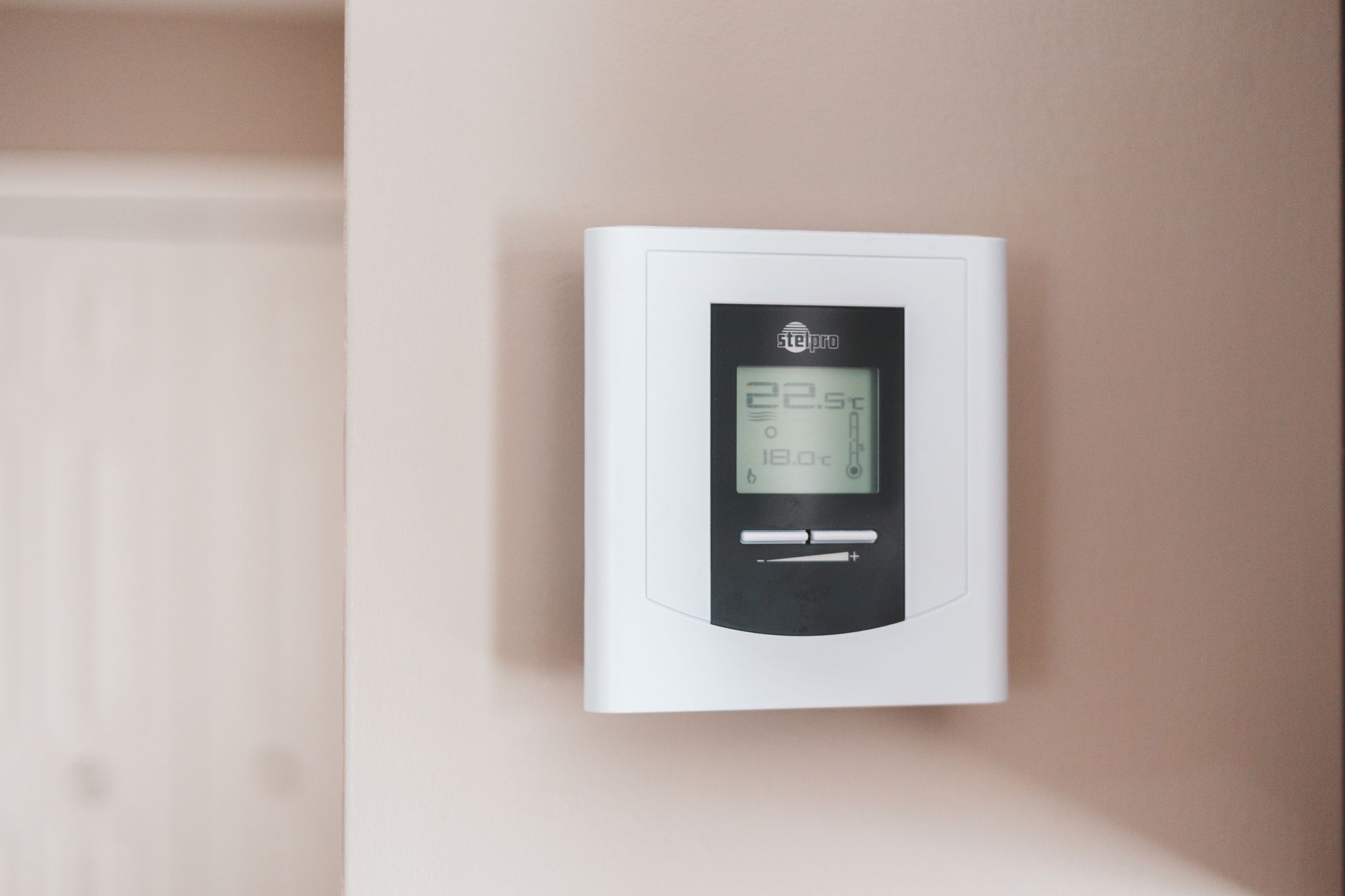
Welcome to TechGurl’s definitive guide to finding the best smart thermostat for your home in 2026! As technology continues to weave itself into every aspect of our lives, smart home devices are no longer just futuristic gadgets but essential tools for comfort, efficiency, and savings. A smart thermostat is at the heart of an efficient home, offering unparalleled control over your climate, often leading to significant reductions in your energy bills.
Why You Need a Smart Thermostat in 2026
In an era where energy costs are a constant concern and environmental impact is always on our minds, upgrading to a smart thermostat is one of the smartest decisions you can make for your home. These intelligent devices go far beyond basic programming, learning your habits, adapting to your schedule, and even responding to voice commands. With features like geofencing, remote access, and detailed energy reports, a smart thermostat empowers you to maintain optimal comfort while minimizing waste.
- Energy Savings: Many smart thermostats are proven to save users 10-15% on heating and cooling costs annually by optimizing temperature settings based on occupancy, weather, and learned preferences.
- Convenience: Control your home’s temperature from anywhere using your smartphone. Adjust settings before you arrive home or check on your vacation property.
- Smart Home Integration: Seamlessly connect with other smart devices like smart speakers (Alexa, Google Assistant), lighting systems, and security cameras for a fully integrated smart home ecosystem.
- Advanced Features: Benefit from geofencing, which adjusts temperatures when you leave or arrive, and occupancy sensors that detect if a room is empty.
- Detailed Reporting: Gain insights into your energy usage with comprehensive reports that help you identify patterns and further optimize your settings.
Choosing the right model can be daunting with the array of options available. That’s why we’ve meticulously researched and tested the top contenders to bring you our picks for the best smart thermostat for 2026, considering ease of use, features, compatibility, and overall value.
Our Top Picks for the Best Smart Thermostat in 2026
1. Google Nest Learning Thermostat
The Google Nest Learning Thermostat remains a perennial favorite for its iconic design, intuitive learning capabilities, and robust smart home integration. Now in its 3rd generation, it truly lives up to its name by learning your preferred temperatures and schedule within a week, then programming itself. It uses built-in sensors to detect when you’re home or away, automatically adjusting to save energy. With Farsight, you can see the temperature, weather, or time from across the room. Its compatibility with Google Assistant and Alexa makes voice control effortless, and its sleek, minimalist design blends seamlessly into any modern home.
Google Nest Learning Thermostat — check today’s price
2. Ecobee Smart Thermostat Premium
For those seeking advanced features and comprehensive control, the Ecobee Smart Thermostat Premium stands out. This device goes beyond simple temperature control, offering an indoor air quality monitor, a built-in smart speaker with Alexa, and a glass-front display. It includes a SmartSensor that detects occupancy and temperature in specific rooms, ensuring comfort where it matters most. Ecobee’s ‘eco+’ feature optimizes your home’s energy use, considering local utility schedules and grid demand. Its robust app provides detailed insights and allows for extensive customization, making it ideal for larger homes or those with specific comfort zones.
Ecobee Smart Thermostat Premium — check today’s price
3. Honeywell Home T10 Pro Smart Thermostat with RedLINK
Honeywell Home has a long-standing reputation in the HVAC industry, and their T10 Pro Smart Thermostat with RedLINK continues this legacy with professional-grade features and reliable performance. Designed for more complex HVAC systems, the T10 Pro uses wireless RedLINK sensors to monitor temperature and humidity in multiple rooms, allowing you to prioritize comfort in specific areas. It integrates with Amazon Alexa, Google Assistant, and Apple HomeKit, offering versatile control options. The clear, full-color touchscreen display is easy to navigate, and the geofencing feature helps save energy when you’re away. It’s a powerful solution for zoned heating and cooling.
Honeywell Home T10 Pro Smart Thermostat with RedLINK — check today’s price
4. Emerson Sensi Touch Wi-Fi Smart Thermostat
The Emerson Sensi Touch Wi-Fi Smart Thermostat offers a fantastic balance of features, ease of installation, and affordability. It’s known for its broad compatibility with most HVAC systems, often not requiring a C-wire (though recommended for optimal performance). The full-color touchscreen provides a modern interface, and the Sensi app is highly rated for its user-friendliness, offering remote control, flexible scheduling, and usage reports. It works with Amazon Alexa, Google Assistant, Apple HomeKit, and Samsung SmartThings, making it a versatile choice for almost any smart home setup. Sensi Touch is a great option for homeowners looking for smart features without breaking the bank.
Emerson Sensi Touch Wi-Fi Smart Thermostat — check today’s price
5. Wyze Thermostat
Wyze has carved a niche for itself by offering smart home products with excellent value, and the Wyze Thermostat is no exception. This budget-friendly option delivers core smart thermostat features without unnecessary frills. It allows for remote control via the Wyze app, offers 7-day scheduling, and supports geofencing to save energy when you’re away. It’s compatible with Amazon Alexa and Google Assistant for voice control. While it may not have the advanced learning capabilities of a Nest or the multi-sensor support of an Ecobee (though it can pair with Wyze Room Sensors, sold separately), its straightforward functionality and attractive price point make it an unbeatable entry point into smart climate control.
Wyze Thermostat — check today’s price
Smart Thermostat Comparison Table
| Feature | Google Nest Learning Thermostat | Ecobee Smart Thermostat Premium | Honeywell Home T10 Pro | Emerson Sensi Touch | Wyze Thermostat |
|---|---|---|---|---|---|
| Learning Capabilities | Yes (self-programming) | No (advanced scheduling) | No (advanced scheduling) | No (advanced scheduling) | No (advanced scheduling) |
| Remote Sensors Included | No (sold separately) | Yes (1 SmartSensor) | Yes (1 RedLINK Sensor) | No (sold separately) | No (sold separately) |
| Voice Assistant Built-in | No | Yes (Alexa) | No | No | No |
| Compatibility (Voice) | Alexa, Google Assistant | Alexa, Google Assistant, Siri | Alexa, Google Assistant, HomeKit | Alexa, Google Assistant, HomeKit, SmartThings | Alexa, Google Assistant |
| Display Type | Color LCD | Glass Touchscreen | Color Touchscreen | Color Touchscreen | Monochrome LCD |
| C-Wire Required | Often (power adapter included) | Yes | Yes | No (most systems), Yes (some) | Yes (adapter included) |
| Advanced Features | Farsight, Auto-Away | Air Quality, eco+, Occupancy | Geofencing, RedLINK zoning | Geofencing, Humidity Control | Geofencing, Vacation Mode |

Best value picks on AliExpress
For those looking for even more budget-friendly options or unique features not commonly found in mainstream brands, AliExpress offers a vast selection of smart thermostats. While these often require a bit more research into specific product reviews and seller reputations, they can provide excellent value, especially if you’re comfortable with DIY smart home setups.
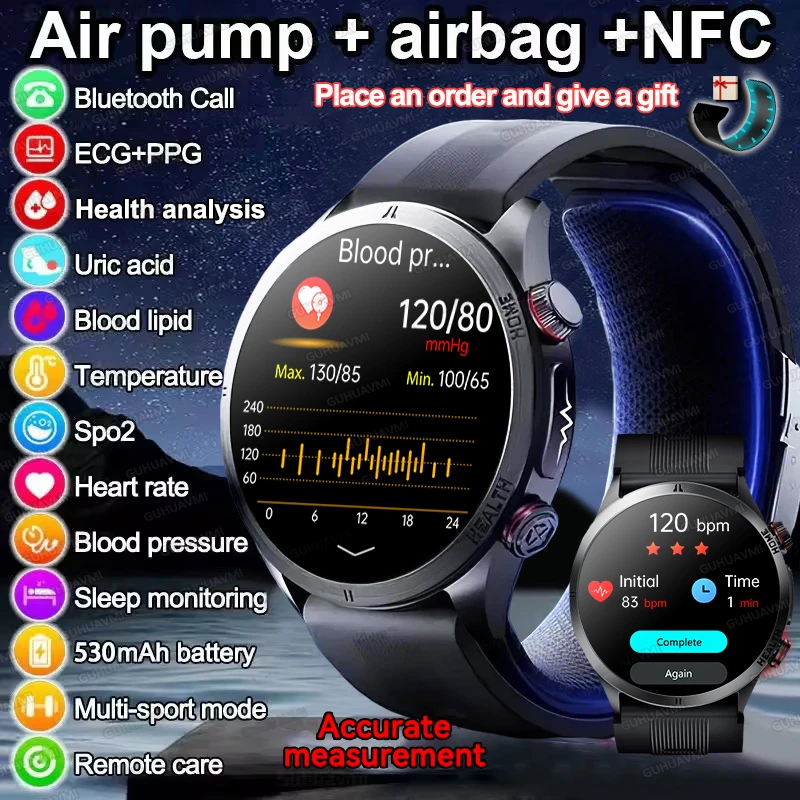
2026New Blood Pressure Air Pump Airbag Accurate Measure Smart Watch Men Micro Physical Exa
$136.10 $167.29 on AliExpress

2026 New Body Fat AI Analysis Health Smart Watch ECG+PPG Uric Acid BP Blood Oxygen Call AM
$67.76 $82.18 on AliExpress

2026 New Accurate Measurement Health Smart Watch ECG+PPG Uric Acid Blood Pressure Blood Li
$67.13 $82.48 on AliExpress
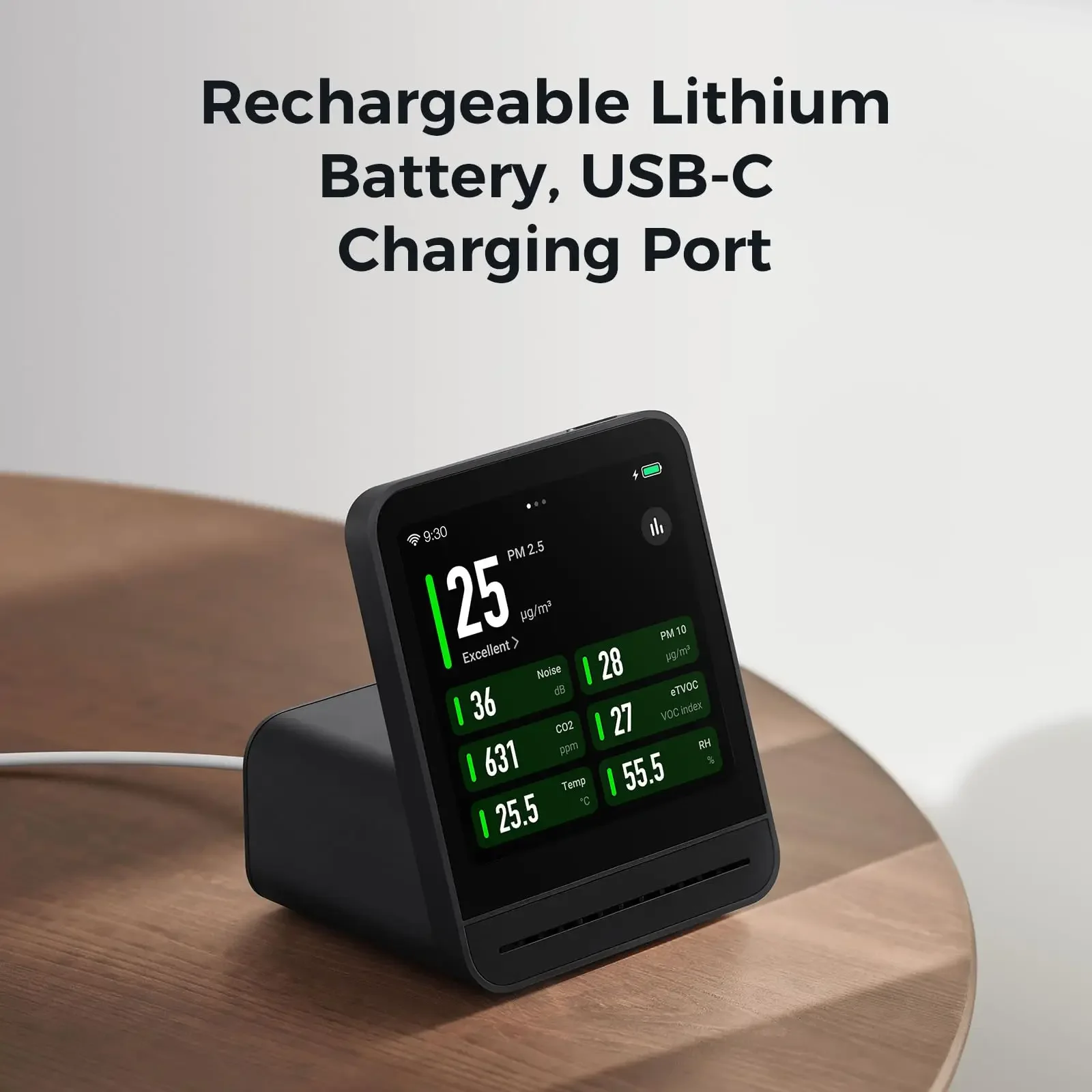
Qingping Air Detector 2 Smart Home Touch Screen Control Temperature Humidity Sensor CO2 PM
$128.29 $256.58 on AliExpress

2026 New Upgrade AI Diagnostic Airbag Precise Blood Pressure Health SmartWatch Uric Acid
$149.92 $211.22 on AliExpress

How to choose a Smart Thermostat
Selecting the ideal smart thermostat for your home involves considering several factors to ensure it meets your specific needs and integrates well with your existing setup. Here’s a breakdown of what to look for:
- HVAC System Compatibility: This is paramount. Check if the thermostat is compatible with your heating and cooling system (e.g., conventional, heat pump, multi-stage). Look for information on ‘C-wire’ requirements. Many smart thermostats need a common wire (C-wire) for continuous power. If your home lacks one, some models offer power extenders, or you may need professional installation.
- Smart Home Ecosystem: Consider which smart home platforms you already use or plan to use (e.g., Amazon Alexa, Google Assistant, Apple HomeKit, Samsung SmartThings). Ensure the thermostat integrates seamlessly with your preferred ecosystem for voice control and automation.
- Features and Functionality:
- Learning vs. Programmable: Do you want a thermostat that learns your schedule automatically (like Nest) or one you program yourself?
- Remote Sensors: For accurate temperature readings in specific rooms or for larger homes, look for models that support remote sensors.
- Geofencing: This feature uses your phone’s location to adjust the temperature when you leave or return, saving energy automatically.
- Occupancy Detection: Some thermostats use motion sensors to detect if a room is occupied, adjusting settings accordingly.
- Energy Reporting: Detailed energy usage reports can help you understand your consumption patterns and find more ways to save.
- Humidity Control: If humidity is an issue in your home, look for models that can control humidifiers or dehumidifiers.
- Ease of Installation: Some thermostats are designed for easy DIY installation, while others, especially those for complex HVAC systems, might require a professional. Always review the installation guide before purchasing.
- Design and Display: While subjective, the aesthetic appeal and user-friendliness of the display can enhance your daily experience. Touchscreens, high-resolution displays, and minimalist designs are common.
- Budget: Smart thermostats range widely in price. Determine your budget and balance it against the features you need. Sometimes, a slightly more expensive model with advanced energy-saving features can pay for itself over time.
Understanding these factors will help you narrow down your choices and find a smart thermostat that not only keeps your home comfortable but also contributes to energy efficiency and convenience. For more in-depth information on how thermostats work, you can visit the Smart Thermostat Wikipedia page.
FAQ: Smart Thermostats
Q1: Can a smart thermostat really save me money?
A: Yes, absolutely! Most smart thermostat manufacturers and independent studies suggest users can save 10-15% or more on their heating and cooling bills annually. These savings come from features like geofencing (adjusting temperature when you’re away), learning capabilities (optimizing schedules based on your habits), and detailed energy reports that help you make informed decisions about your energy use. The initial investment often pays for itself within a few years.
Q2: Do I need a C-wire for a smart thermostat?
A: Many smart thermostats require a C-wire (common wire) to provide continuous power to the device, as they consume more power than traditional thermostats. If your home doesn’t have a C-wire, some models include a power extender kit, or you might need to hire an electrician to install one. There are a few battery-powered smart thermostats, but they often have more limited features or require frequent battery changes. Always check the specific requirements of the model you’re interested in.
Q3: What’s the difference between a learning thermostat and a programmable one?
A: A programmable thermostat allows you to set a schedule for different temperatures throughout the day and week, which it then follows rigidly. A learning thermostat, like the Google Nest, goes a step further. It observes your temperature adjustments over time and automatically builds a schedule that adapts to your preferences and daily routines, often without you having to manually program it. It also uses sensors to detect occupancy and adjust accordingly, offering a more hands-off experience.
Q4: Can I control my smart thermostat with my voice?
A: Most modern smart thermostats offer voice control capabilities, integrating with popular smart assistants like Amazon Alexa, Google Assistant, and sometimes Apple HomeKit (Siri). Once connected, you can simply use voice commands to adjust the temperature, change modes (heat/cool), or ask about the current settings, adding a layer of convenience to your smart home experience.
Conclusion
Investing in the best smart thermostat for 2026 is an investment in your home’s comfort, efficiency, and future. Whether you prioritize advanced learning algorithms, multi-room sensing, budget-friendliness, or seamless smart home integration, there’s a perfect model out there for you. Our top picks, from the intuitive Google Nest to the feature-rich Ecobee and the value-packed Wyze, offer excellent options for every type of homeowner. By choosing wisely, you’ll not only enjoy a more comfortable living environment but also contribute to significant energy savings and a greener footprint. Explore our other guides for more Shine Bright: The Best Star Projectors for 2026 Revealed smart home upgrades!