As an Amazon Associate and an AliExpress affiliate, TechGurl earns from qualifying purchases. Some links on this page are affiliate links — if you buy through them we may receive a commission, at no extra cost to you. This never affects which products we cover or what we say about them.
Disclosure: This article contains affiliate links. If you buy through them we may earn a small commission at no extra cost to you.
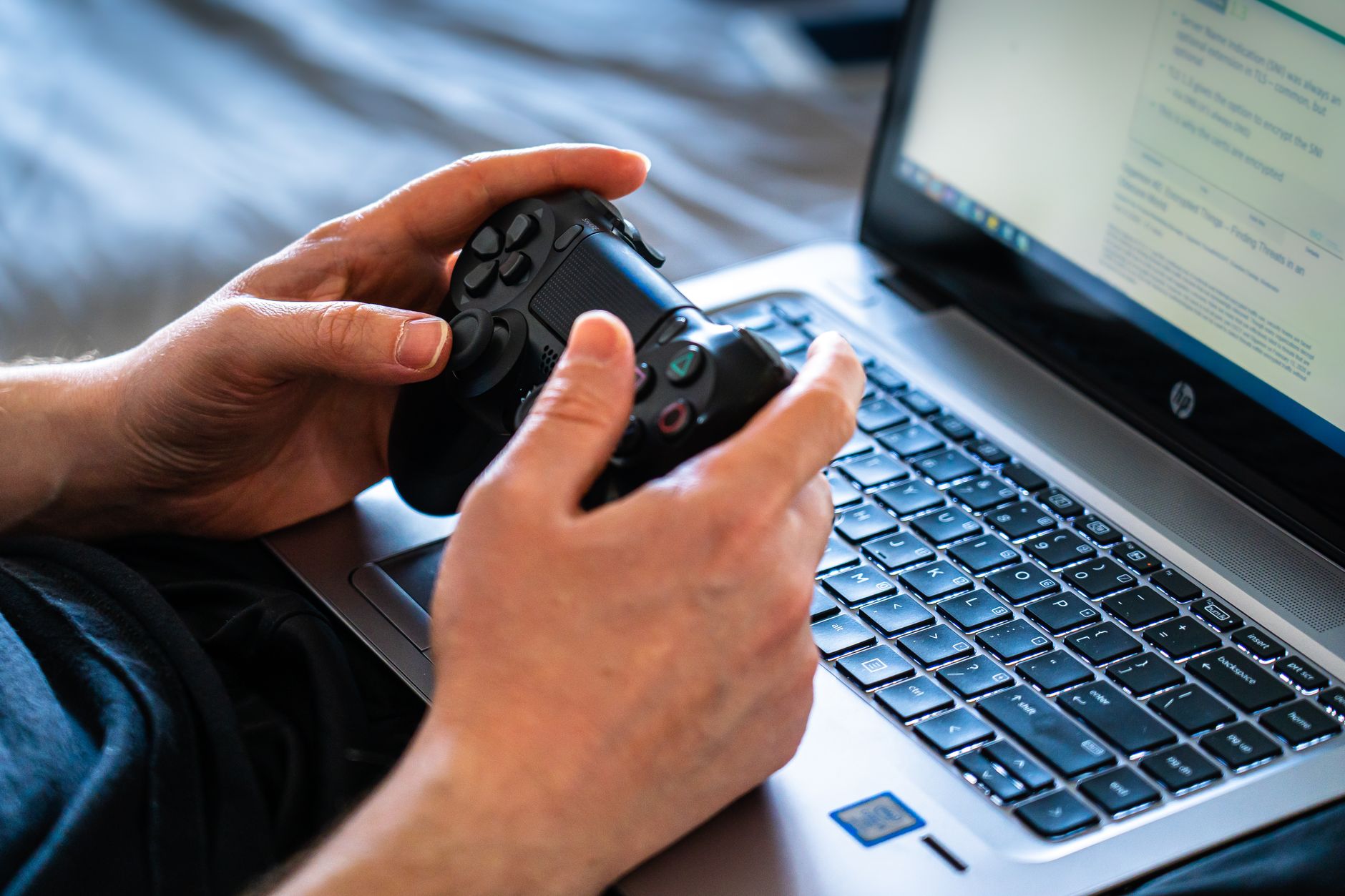
The debate between a dedicated gaming handheld vs laptop for portable gaming is hotter than ever. With the rise of powerful handheld devices like the Valve Steam Deck OLED and increasingly compact yet potent gaming laptops such as the ASUS ROG Zephyrus G14, choosing your next mobile gaming rig requires careful consideration. Both offer unique advantages and disadvantages, catering to different priorities whether you value raw performance, ultimate portability, or a blend of both.
The Core Dilemma: Portability vs. Power
At its heart, the decision boils down to what you prioritize most. Do you need a device that can slip into a small bag and be played anywhere, or one that offers desktop-class performance in a relatively portable chassis? Let’s break down the key areas where these two categories diverge.
Performance: Raw Horsepower vs. Optimized Efficiency
Gaming laptops inherently boast superior raw processing power. A high-end gaming laptop like the ASUS ROG Zephyrus G14 (2024 model) can feature an AMD Ryzen 9 8945HS processor and an NVIDIA GeForce RTX 4070 Laptop GPU. This combination, according to independent benchmarks by outlets like PCGamer, allows it to run modern AAA titles at high settings and resolutions, often exceeding 60 frames per second (FPS) at its native 1440p or 1600p resolution. In contrast, the Valve Steam Deck OLED, equipped with an AMD APU (Zen 2 CPU, RDNA 2 GPU), is designed for excellent performance at its native 1280×800 resolution. While it can play most modern games, it often requires lower settings to maintain a smooth framerate, as noted in TechRadar’s extensive testing. The Steam Deck’s strength lies in its highly optimized software environment (SteamOS) which ensures that its hardware is utilized efficiently for gaming.
Portability: On-the-Go Freedom
This is where gaming handhelds truly shine. The Steam Deck OLED, weighing approximately 640 grams and designed for handheld use, offers unparalleled convenience. You can easily toss it into a small backpack or even a larger jacket pocket. Gaming laptops, even compact ones like the 1.5 kg Zephyrus G14, require a larger bag and a flat surface for comfortable use, especially with an external mouse. While the G14 is remarkably portable for a gaming laptop, it’s still a different class of device when it comes to true ‘grab-and-go’ gaming.
Display & Visuals: Immersive Experience
Both categories offer stunning displays, but with different characteristics. The Steam Deck OLED features a vibrant 7.4-inch OLED screen with a 1280×800 resolution and a 90Hz refresh rate. The OLED technology delivers incredible contrast and deep blacks, making games pop on its smaller screen. The Zephyrus G14 (2024 model) ups the ante with a larger 14-inch ROG Nebula OLED display, boasting a higher 2880×1800 resolution and a 120Hz refresh rate. Its larger size and higher pixel density provide a more expansive and detailed visual experience, especially for games that benefit from finer graphical details. For those who connect to external monitors, the laptop’s more powerful GPU can drive higher resolutions and refresh rates on a desktop setup.
Ergonomics & Controls: Comfort in Hand
Gaming handhelds are built with integrated controls, offering an ergonomic experience akin to a console controller. The Steam Deck OLED’s design, with its comfortable grips, joysticks, trackpads, and buttons, allows for extended play sessions without external peripherals. Gaming laptops, while offering a keyboard and trackpad, are generally designed for desktop-style play. While you can use a controller with a laptop, the integrated experience of a handheld is unmatched for spontaneous gaming sessions without extra gear.
Battery Life: Gaming Away from the Wall
Battery life varies significantly based on the game and settings. The Steam Deck OLED, with its 50Wh battery, offers between 3-12 hours of gameplay depending on the game’s demands, according to Valve’s official specifications. For lighter indie titles, it can last much longer. The Zephyrus G14 (2024) has a larger 73Wh battery, but its more powerful components consume significantly more power, especially during intense gaming. In demanding AAA titles, you might see 1-3 hours of gaming battery life, as observed in reviews by Notebookcheck, before needing to plug in. For general productivity, the laptop will last much longer, but for gaming, the handheld often offers more unplugged playtime.
Price & Value: Budget Considerations
Price is a major differentiator. The Valve Steam Deck OLED typically ranges from $549 to $649 depending on storage configuration. Gaming laptops, especially those with dedicated GPUs like the Zephyrus G14, start at a significantly higher price point, often ranging from $1600 to over $2200 for the 2024 model with an RTX 4070. While the laptop offers more versatility for productivity and content creation, the handheld provides incredible gaming value for its price.
Gaming Handheld vs Laptop: A Head-to-Head Comparison
To give you a clearer picture, here’s a direct comparison of the key specifications for the Valve Steam Deck OLED and the ASUS ROG Zephyrus G14 (2024 model).
| Feature | Valve Steam Deck OLED | ASUS ROG Zephyrus G14 (2024) |
|---|---|---|
| CPU | AMD APU (Zen 2, 4 Cores/8 Threads) | AMD Ryzen 9 8945HS (Zen 4, 8 Cores/16 Threads) |
| GPU | AMD RDNA 2 (8 CUs) | NVIDIA GeForce RTX 4070 Laptop GPU |
| RAM | 16GB LPDDR5 | Up to 32GB LPDDR5X |
| Storage | 512GB / 1TB NVMe SSD | Up to 1TB PCIe 4.0 SSD |
| Display | 7.4-inch OLED, 1280×800, 90Hz | 14-inch ROG Nebula OLED, 2880×1800, 120Hz |
| Battery | 50Wh | 73Wh |
| Weight | ~640g | ~1.5 kg |
| Operating System | SteamOS 3.0 (Linux-based) | Windows 11 Home |
| Approx. Price (USD) | $549 – $649 | $1600 – $2200+ |
As the table illustrates, the gaming laptop holds a clear advantage in raw processing and graphical power, along with a higher-resolution, larger display. The handheld counters with significantly less weight, integrated controls, and a more accessible price point. The choice largely depends on your primary use case and budget.
Our Top Picks
1. Valve Steam Deck OLED
The Valve Steam Deck OLED is our top recommendation for gamers prioritizing portability, value, and an excellent handheld experience. Its vibrant OLED screen, comfortable ergonomics, and highly optimized SteamOS make it a joy to play on the go. While it won’t match a high-end laptop’s raw power, it capably handles a vast library of games at its native resolution, offering an exceptional balance for its price point. It’s perfect for commuting, travel, or simply gaming on the couch.
Valve Steam Deck OLED — check today’s price
2. ASUS ROG Zephyrus G14 (2024)
For those who demand uncompromising performance, a larger, higher-resolution display, and the versatility of a full-fledged Windows machine, the ASUS ROG Zephyrus G14 (2024 model) is an outstanding choice. This laptop packs serious power into a sleek, relatively lightweight chassis, allowing you to play the latest AAA titles at high settings and even tackle creative tasks. It’s ideal for gamers who want a single device for both intense gaming and productivity, and who don’t mind the larger form factor compared to a handheld.
ASUS ROG Zephyrus G14 (2024) — check today’s price

Related picks on AliExpress
Looking for even more options or budget-friendly alternatives? AliExpress offers a wide range of portable gaming PCs, budget gaming laptops, and mini gaming PCs that might fit your needs.
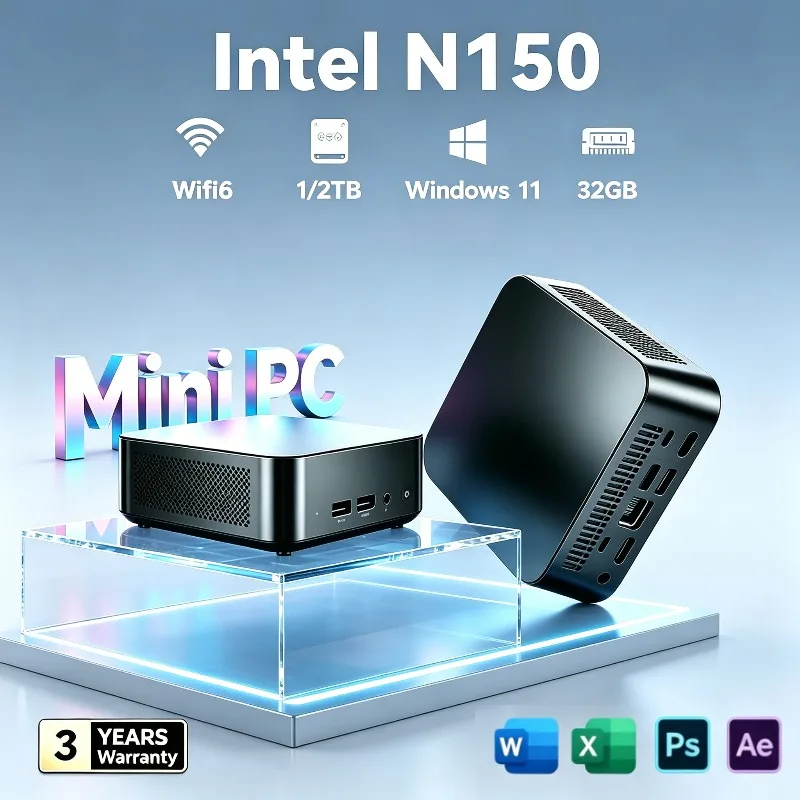
2026 NEW Intel N150 Mini PC 16GB RAM, 1TB or 2TB SSD, WiFi6, Windows 11, Perfect for Deskt
$177.35 $354.69 on AliExpress
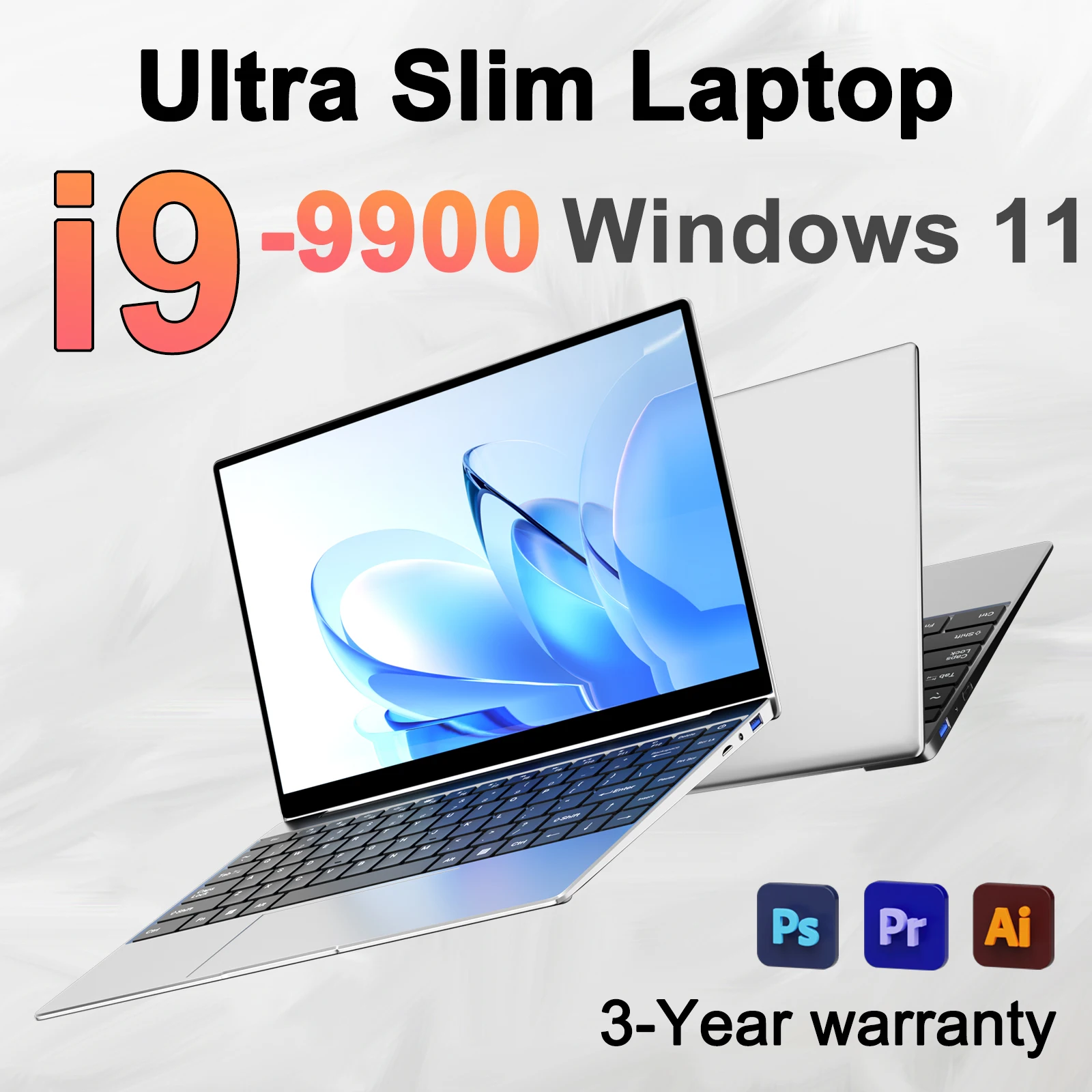
New 14.1' Laptop Intel Core I9-9900 32GB 2TB Gaming PC Ultra Slim Office Study Computer PC
$275.00 $343.75 on AliExpress
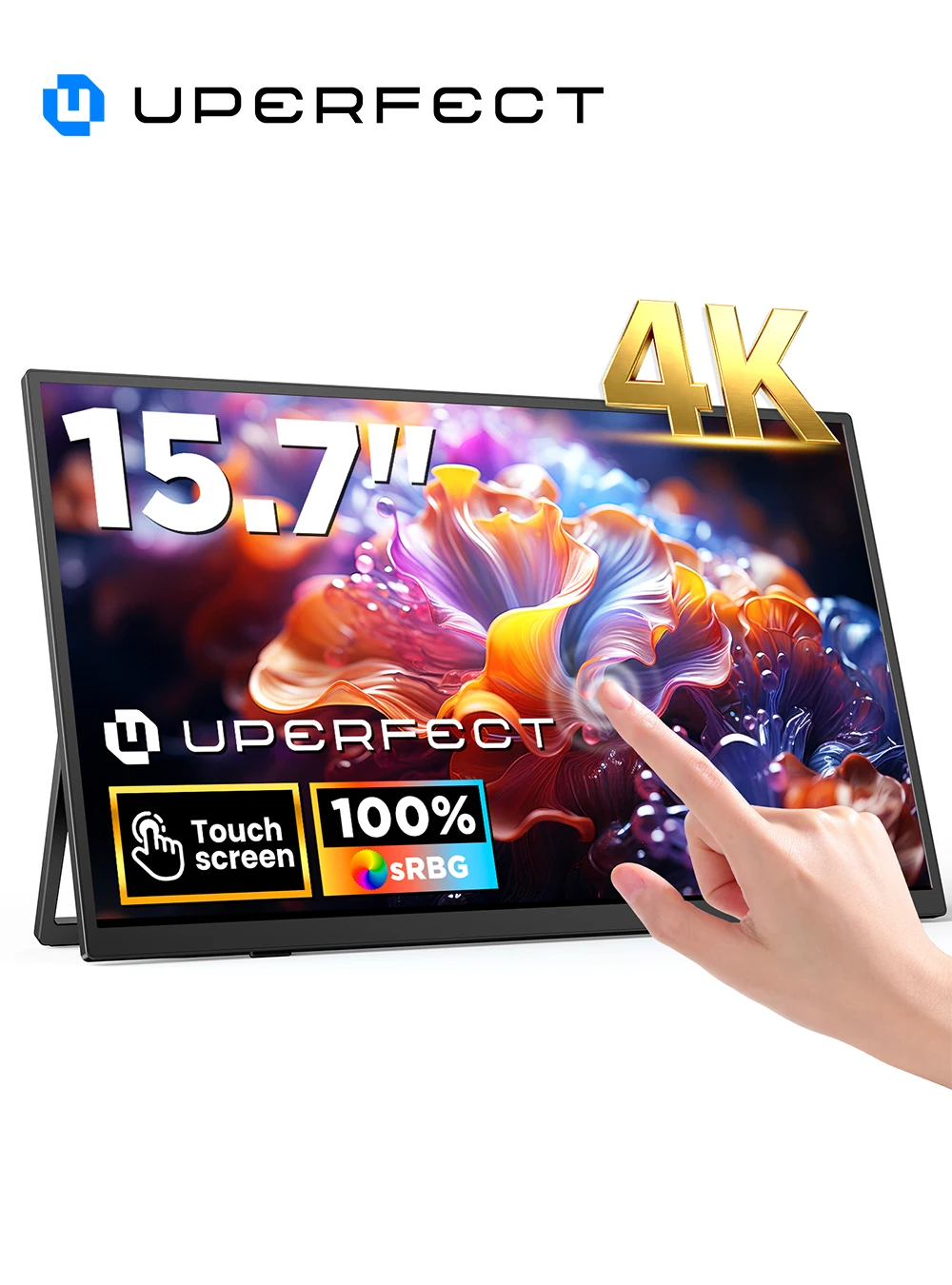
UPERFECT UColor J1 4K Touch Screen Portable Monitor 15.7" Laptop Extend Screen USB C HDMI
$193.91 $298.33 on AliExpress
Which One Should You Buy? The Verdict
The decision between a gaming handheld and a gaming laptop ultimately comes down to your personal priorities. If maximum portability, integrated controls, and a lower price are your main concerns, the Valve Steam Deck OLED is an outstanding choice. It delivers a fantastic gaming experience for its form factor and price, letting you game almost anywhere. You can find more detailed specs on the official Steam Deck technical specifications page.
However, if you crave the highest possible graphical fidelity, a larger and higher-resolution screen, the versatility of a Windows operating system for productivity and a broader game library (without Proton compatibility layers), and don’t mind the extra weight and cost, a gaming laptop like the ASUS ROG Zephyrus G14 (2024) will be more suitable. It offers a more powerful, all-in-one computing solution that excels at both gaming and demanding tasks.
FAQ
Can a gaming handheld replace a gaming laptop entirely?
For dedicated gamers who primarily play on the go and are comfortable with the handheld’s resolution and performance limits, a gaming handheld like the Steam Deck OLED can largely replace a gaming laptop. However, if you need a device for demanding productivity tasks, competitive esports, or playing the absolute latest AAA titles at maximum settings, a gaming laptop still offers superior performance and versatility.
Are games cheaper on handhelds or laptops?
Game prices are generally platform-dependent, not device-dependent. Both the Steam Deck (running SteamOS) and gaming laptops (running Windows) primarily access games through digital storefronts like Steam, Epic Games Store, GOG, etc. Sales and regional pricing will dictate game costs, which are typically the same across these PC-based platforms.
Which device has better battery life for gaming?
For actual gaming, a gaming handheld like the Steam Deck OLED generally offers longer unplugged playtime, especially for less demanding titles. While gaming laptops have larger batteries, their more powerful components consume significantly more power, leading to shorter gaming battery life on average, typically 1-3 hours for AAA games.
Can I connect a gaming handheld to a TV?
Yes, most modern gaming handhelds, including the Valve Steam Deck OLED, can be connected to a TV or external monitor via a USB-C dock or adapter. This allows you to play games on a larger screen, often with external controllers, effectively transforming it into a mini-console experience.
Conclusion
The choice between a gaming handheld and a gaming laptop is a personal one, driven by your specific needs and gaming habits. Both categories offer incredible ways to enjoy your favorite titles on the move. By carefully considering factors like performance, portability, screen quality, and budget, you can find the perfect portable gaming companion that fits your lifestyle. For more insights into optimizing your gaming setup, check out our Handheld Gaming PC vs Laptop: Which Should You Buy for Portable Gaming?guide to gaming accessories.