As an Amazon Associate and an AliExpress affiliate, TechGurl earns from qualifying purchases. Some links on this page are affiliate links — if you buy through them we may receive a commission, at no extra cost to you. This never affects which products we cover or what we say about them.
Disclosure: This article contains affiliate links. If you buy through them we may earn a small commission at no extra cost to you.
Welcome to the future of home comfort! Finding the best smart thermostats for your home in 2026 is no longer just about setting a temperature; it’s about intelligent climate control, energy efficiency, and seamless integration with your smart home ecosystem. These devices learn your habits, optimize energy usage, and offer unparalleled convenience, helping you save money while staying comfortable.
Why Upgrade to a Smart Thermostat?
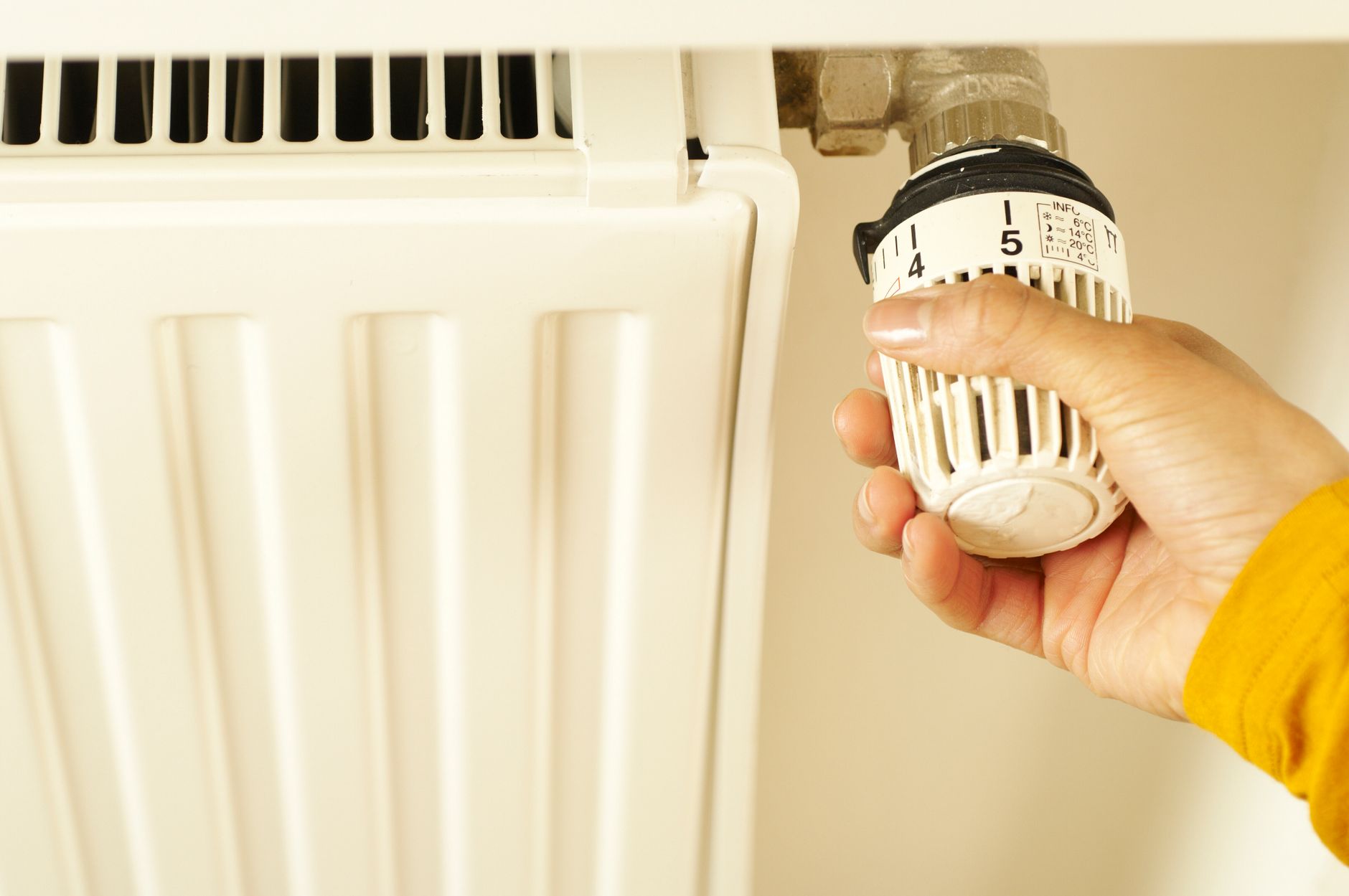
Traditional thermostats offer basic temperature control, but smart thermostats bring a wealth of advanced features to the table. They connect to your home Wi-Fi, allowing you to control your heating and cooling from anywhere using a smartphone app. Many models feature geofencing, which detects when you leave or return home and adjusts the temperature accordingly, preventing you from heating or cooling an empty house.
Beyond remote control, these devices often include advanced sensors for occupancy detection, humidity monitoring, and even air quality. They can integrate with voice assistants like Amazon Alexa and Google Assistant, making temperature adjustments as simple as a spoken command. The biggest draw for many, however, is the potential for significant energy savings, with some users reporting reductions in their energy bills by 10-15% or more.
In a world increasingly focused on sustainability and efficiency, a smart thermostat is a crucial component of any modern, energy-conscious home. They provide granular control over your HVAC system, allowing you to create schedules, set zones, and monitor energy usage in real-time, giving you unprecedented insight into your home’s climate performance.
The Best Smart Thermostats for 2026: Our Top Picks
1. Google Nest Learning Thermostat (3rd Gen)
The Nest Learning Thermostat remains a gold standard in smart home climate control. Its intuitive design, combined with powerful learning algorithms, allows it to understand your schedule and preferences over time, automatically adjusting temperatures for optimal comfort and energy savings. It features Farsight, which illuminates the display to show temperature, weather, or time when it sees you approach. Compatible with most HVAC systems, it’s a sleek, effective choice.
Google Nest Learning Thermostat (3rd Gen) — check today’s price
2. Ecobee Smart Thermostat Premium
For those seeking comprehensive control and advanced features, the Ecobee Smart Thermostat Premium is an excellent contender. It includes an indoor air quality sensor, a smart speaker with Alexa built-in, and a remote sensor to ensure consistent temperatures in your most-used rooms. It goes beyond basic scheduling, offering features like ‘eco+’ for additional energy savings and seamless integration with Apple HomeKit, Google Assistant, and Alexa.
Ecobee Smart Thermostat Premium — check today’s price
3. Honeywell Home T9 Smart Thermostat with Smart Room Sensor
The Honeywell Home T9 offers fantastic multi-room sensing capabilities, making it ideal for homes with uneven heating or cooling. It comes with one smart room sensor (and supports more sold separately) that detects both temperature and occupancy, allowing the thermostat to prioritize comfort in specific rooms. Its simple touchscreen interface and compatibility with Alexa and Google Assistant make it user-friendly and highly effective for zoned control.
Honeywell Home T9 Smart Thermostat with Smart Room Sensor — check today’s price
4. Amazon Smart Thermostat
For budget-conscious smart home enthusiasts, the Amazon Smart Thermostat provides excellent value, especially for Alexa users. While it doesn’t have a learning algorithm like Nest, it offers robust scheduling, remote control via the Alexa app, and works seamlessly with other Alexa-enabled devices. It’s an energy-star certified device that brings essential smart thermostat features at a very accessible price point.
Amazon Smart Thermostat — check today’s price
5. Emerson Sensi Touch Wi-Fi Smart Thermostat
The Emerson Sensi Touch is a highly versatile and user-friendly smart thermostat known for its broad compatibility and straightforward installation. It works with most HVAC systems (including those requiring a C-wire, though a workaround is often available for systems without one). It boasts a full-color touchscreen, geofencing, flexible scheduling, and integrates with Alexa, Google Assistant, Apple HomeKit, and SmartThings, making it a truly universal option.
Emerson Sensi Touch Wi-Fi Smart Thermostat — check today’s price
Smart Thermostat Comparison Table
| Feature | Google Nest Learning Thermostat | Ecobee Smart Thermostat Premium | Honeywell Home T9 | Amazon Smart Thermostat | Emerson Sensi Touch |
|---|---|---|---|---|---|
| Learning Algorithm | Yes | No (but advanced scheduling) | No (but smart sensors) | No | No |
| Voice Assistant Built-in | No (works with GA/Alexa) | Yes (Alexa) | No (works with GA/Alexa) | No (works with Alexa) | |
| Remote Sensors Included | No (sold separately) | Yes (1) | Yes (1) | No | No (sold separately) |
| Air Quality Sensor | No | Yes | No | No | No |
| Geofencing | Yes | Yes | Yes | Yes | Yes |
| Display Type | Color LCD | Color LCD Touchscreen | Color LCD Touchscreen | Monochrome LCD | Color LCD Touchscreen |
| C-Wire Required | Often (Power Connector available) | Yes (PEK included) | Yes | Yes | Often (adapter available) |

Best value picks on AliExpress
AliExpress offers a plethora of smart thermostat options, often at competitive prices. While some lack the premium features of their brand-name counterparts, many provide excellent basic smart functionality and compatibility with common smart home platforms like Tuya or Zigbee hubs. These can be a great way to dip your toes into smart climate control without breaking the bank.

POER Smart WiFi Wireless Thermostat Programmable Room Temperature Controller Alexa Boiler
$76.44 $117.60 on AliExpress
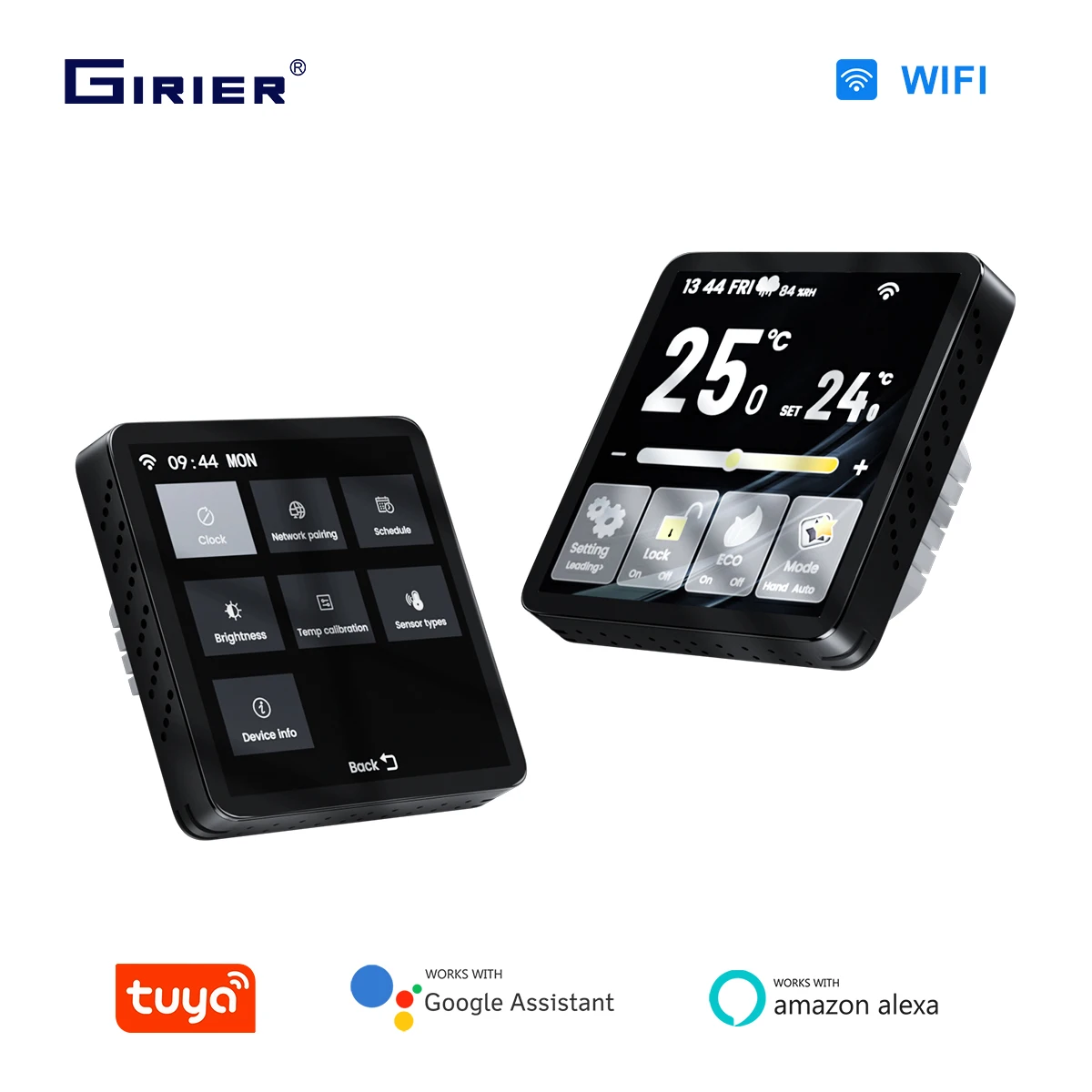
GIRIER Tuya WiFi Thermostat TFT Screen Smart Temperature Controller for Water/Gas Boiler E
$78.56 $157.13 on AliExpress

WiFi Smart Thermostat with LED Touch Screen for Electric&Water Heating Temperature Control
$67.00 $139.58 on AliExpress
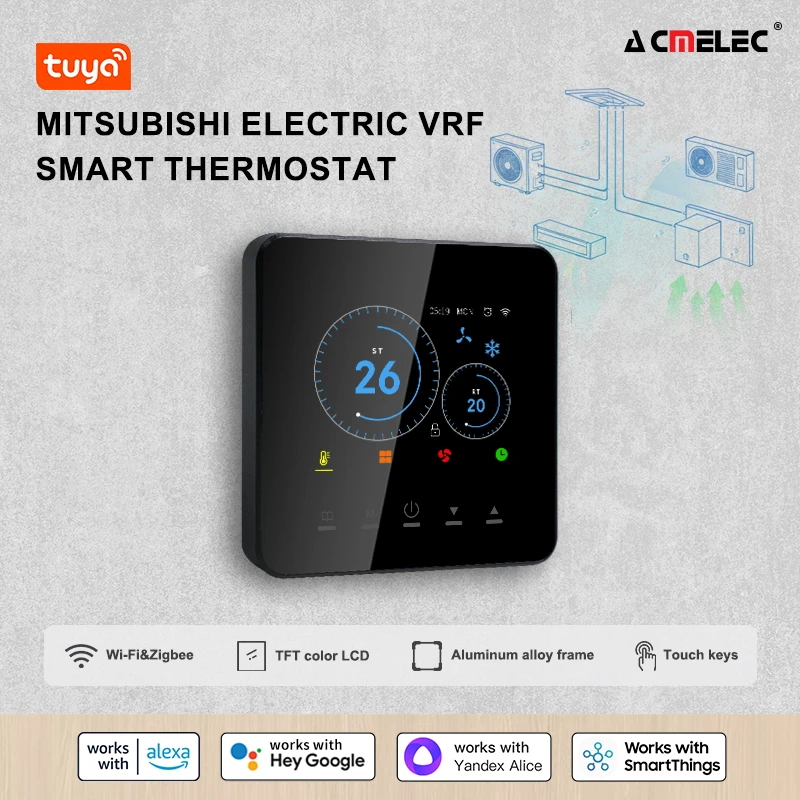
For Mitsubishi Electric Tuya Wifi VRF Air Conditioner Smart Thermostat For Google Home Ale
$81.42 $177.00 on AliExpress

How to Choose the Best Smart Thermostats for Your Home
Selecting the right smart thermostat involves considering several factors specific to your home, HVAC system, and personal preferences. Here’s a guide to help you make an informed decision:
-
HVAC System Compatibility:
This is paramount. Check if the thermostat is compatible with your heating and cooling system (e.g., conventional, heat pump, multi-stage). Pay close attention to C-wire requirements. A C-wire (common wire) provides continuous power, which most smart thermostats need. If you don’t have one, some models offer power extenders or can run on battery, but it’s a critical detail to verify.
-
Smart Home Ecosystem Integration:
Do you use Amazon Alexa, Google Assistant, Apple HomeKit, or Samsung SmartThings? Ensure your chosen thermostat seamlessly integrates with your existing smart home platform for voice control and automation routines.
-
Learning vs. Programmable:
Some thermostats, like the Nest, learn your habits. Others are primarily programmable but offer advanced scheduling and remote control. Decide if you prefer a ‘set it and forget it’ learning experience or prefer to manually program schedules.
-
Remote Sensors:
If you have multiple rooms with varying temperatures, or want to prioritize comfort in specific areas, look for models that support remote sensors. These can provide more accurate temperature readings and occupancy detection across your home.
-
Geofencing:
This feature uses your phone’s location to know when you’re home or away, automatically adjusting the temperature. It’s a great way to save energy without having to remember to change settings manually.
-
Display and Interface:
Consider whether you prefer a sleek touchscreen, a traditional dial, or a minimalist display. Also, evaluate the ease of use of the accompanying smartphone app.
-
Energy Reporting and Savings:
Most smart thermostats offer energy usage reports, helping you identify patterns and potential savings. Some even provide personalized tips. Look for Energy Star certification for proven efficiency.
-
Installation Complexity:
While many smart thermostats are designed for DIY installation, some may require professional help, especially if you need to install a C-wire or have a complex HVAC system. Always check the manufacturer’s installation guide.
Frequently Asked Questions About Smart Thermostats
What is a C-wire and why do I need it?
A C-wire (common wire) provides continuous 24V AC power to your thermostat, which is essential for most smart thermostats to power their Wi-Fi radios and advanced features. Without it, some smart thermostats might try to ‘power steal’ from your HVAC system, leading to potential issues. If you don’t have a C-wire, some models offer power extenders or battery operation, but a dedicated power source is always best.
Can smart thermostats really save me money?
Yes, absolutely! By optimizing your heating and cooling schedules, using geofencing to avoid heating/cooling an empty house, and providing detailed energy reports, smart thermostats can significantly reduce your energy consumption. Many users report annual savings of 10-15% or more on their energy bills, often recouping the cost of the thermostat within a year or two.
Are smart thermostats compatible with all HVAC systems?
While most modern smart thermostats are designed to be broadly compatible, it’s crucial to check the specific requirements of your HVAC system. They typically support conventional (furnace and AC) and heat pump systems, but compatibility with older or proprietary systems can vary. Always refer to the manufacturer’s compatibility checker before purchasing.
What’s the difference between a learning thermostat and a programmable one?
A programmable thermostat allows you to set specific schedules (e.g., warmer at night, cooler during the day). A learning thermostat, like the Nest, goes a step further by observing your habits and preferences over time, automatically creating and refining schedules without manual input. It adapts to your life, rather than you having to adapt to its schedule. For a deeper dive into thermostat technology, you can check out the Wikipedia article on thermostats.
Conclusion
Investing in one of the best smart thermostats for 2026 is a smart move for any homeowner looking to enhance comfort, save energy, and integrate their home into a cohesive smart ecosystem. From advanced learning algorithms to multi-room sensing and voice control, the options available today offer unprecedented control over your indoor climate. Weigh your needs, check compatibility, and choose the model that best fits your lifestyle to unlock a new level of home automation and efficiency. For more insights into optimizing your smart home, explore our other The Ultimate Guide to Robot Vacuums for Pet Hair in 2026 guides.