As an Amazon Associate and an AliExpress affiliate, TechGurl earns from qualifying purchases. Some links on this page are affiliate links — if you buy through them we may receive a commission, at no extra cost to you. This never affects which products we cover or what we say about them.
Disclosure: This article contains affiliate links. If you buy through them we may earn a small commission at no extra cost to you.
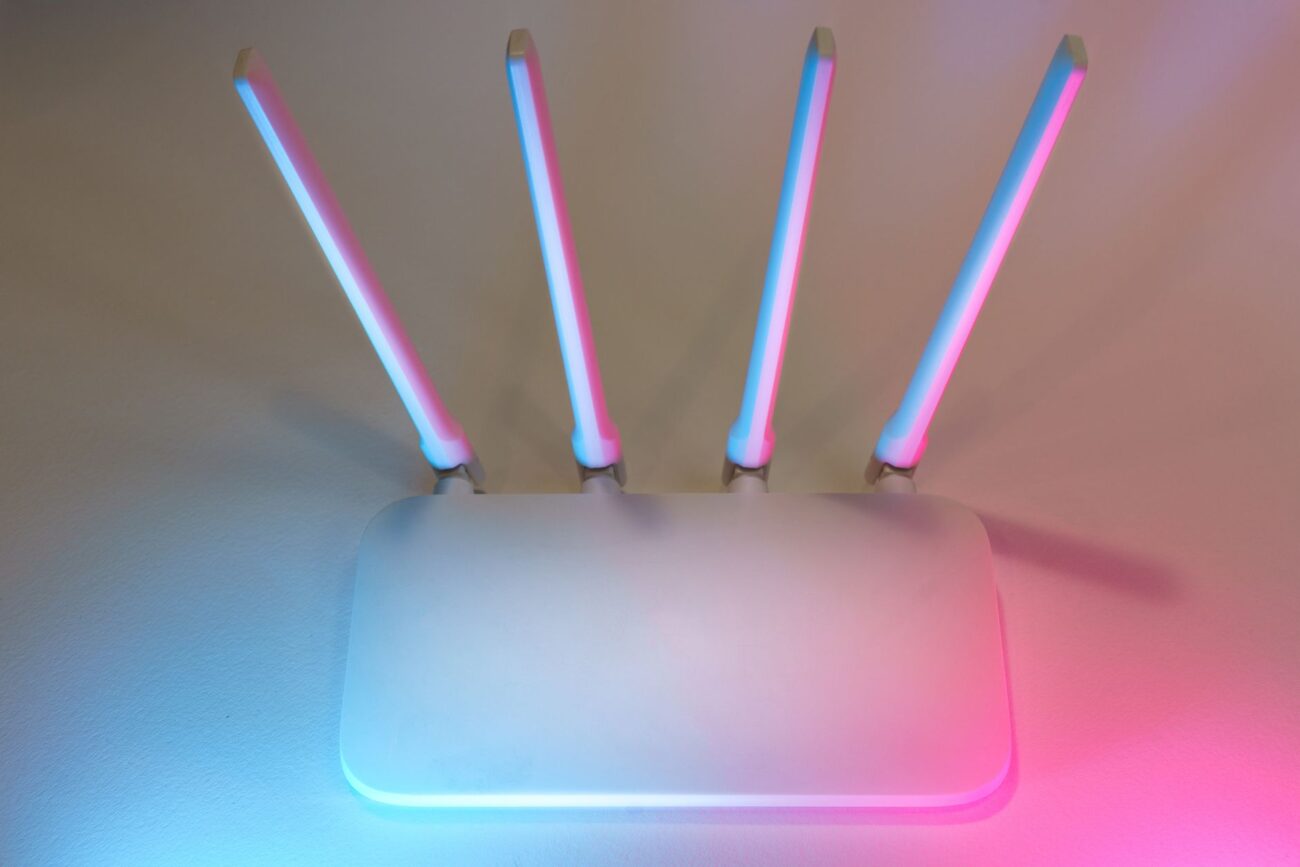
Your BT Smart Hub 2 is the heart of your home’s internet connection, and its light indicators are crucial for understanding its status. When you see a flashing purple, orange, or red light, it’s your hub trying to tell you something important about its operation or connection. Understanding BT Smart Hub 2 lights can save you time and frustration, helping you quickly diagnose and resolve common connectivity issues without needing to call support.
Decoding Your BT Smart Hub 2 Light Indicators
The BT Smart Hub 2 uses a single LED light on its front to communicate various states. While a steady blue light signifies a healthy, connected internet service, other colors and flashing patterns indicate specific conditions or problems. Let’s break down what each critical flashing light means and how to address it.
Flashing Purple Light: Connecting or Updating
A flashing purple light on your BT Smart Hub 2 typically indicates one of two things:
- Connecting to BT Broadband: The hub is trying to establish an initial connection to the BT broadband network. This usually happens when you first set up your hub or after a power cycle.
- Software Update: The hub is downloading or installing a software update. This is a normal process designed to keep your hub secure and performing optimally.
What to do:
- Be Patient: If it’s connecting, allow up to 10-15 minutes for the connection to establish. For software updates, this process can sometimes take even longer. Do not unplug the hub during this time, as it could corrupt the software.
- Check Cables: Ensure all cables (power, DSL/fibre) are securely connected.
- Avoid Interruptions: While the light is flashing purple, try not to power cycle the hub unless it remains in this state for an unusually long time (e.g., over 30 minutes) and shows no signs of progressing.
Flashing Orange Light: No Internet Connection
A flashing orange light is a more common indicator of trouble, specifically that your BT Smart Hub 2 cannot connect to the internet. This could be due to several reasons:
- No Broadband Signal: The hub isn’t receiving a broadband signal from the exchange.
- Authentication Failure: The hub is failing to log in to the BT network, possibly due to incorrect account details (though less common with modern hubs).
- Service Outage: There might be a broadband outage in your area.
- Faulty Cables/Equipment: A damaged cable or a problem with your internal wiring could be preventing a connection.
What to do:
- Restart Your Hub: Turn off your Smart Hub 2 at the power outlet, wait for 30 seconds, then turn it back on. Allow a few minutes for it to restart and attempt to connect.
- Check All Cables: Make sure the grey DSL cable (or fibre cable if applicable) is firmly plugged into the ‘DSL’ port on the hub and the wall socket. Ensure the power cable is also secure. A reliable cable tester can help diagnose issues here.
Netgear ProSAFE VDV II Cable Tester — check today’s price
- Test the Master Socket: If you have an Openreach master socket with a test port, plug your hub directly into this test port (removing any filters or extensions). This helps rule out issues with internal wiring.
- Check BT Service Status: Visit the official BT Service Status page online (using mobile data or a neighbor’s Wi-Fi) to see if there are any known broadband outages in your area. Check BT Service Status.
- Factory Reset (Last Resort): If none of the above works, a factory reset can sometimes resolve persistent connection issues. Locate the small ‘Reset’ button on the back of the hub (often recessed), use a paperclip to press and hold it for about 10 seconds until the lights change. Be aware this will erase all custom settings.
Flashing Red Light: Critical Error or Fault
A flashing red light is the most serious indicator and typically signifies a critical error or a hardware fault with your BT Smart Hub 2. This could mean:
- Overheating: The hub is getting too hot, which can lead to performance issues or hardware damage.
- Internal Hardware Fault: A component within the hub has failed.
- Power Supply Issue: The power supply unit might be faulty.
What to do:
- Power Cycle Immediately: Turn off the hub, unplug it, and let it cool down for at least 10-15 minutes. Ensure it’s in a well-ventilated area, free from obstructions.
- Check Power Supply: Ensure the power adapter is the original BT one and is securely connected. Try plugging it into a different wall socket to rule out a faulty outlet.
- Ventilation Check: Make sure the hub isn’t enclosed in a cabinet or covered by anything that could restrict airflow. Dust buildup can also contribute to overheating; gently clean vents if necessary.
- Contact BT Support: If the flashing red light persists after cooling and power cycling, it’s highly likely there’s a hardware fault. You will need to contact BT customer support for further assistance or a replacement hub.
General Troubleshooting Tips for BT Smart Hub 2 Lights
- Always Check Cables First: Loose or damaged cables are a frequent cause of connectivity problems. Ensure all connections are snug and inspect cables for any visible damage.
- Power Cycle Your Hub: A simple restart can often clear temporary glitches.
- Isolate the Problem: If possible, test your hub at the master socket to bypass internal wiring. If you have a spare, try a different DSL/Ethernet cable.
- Check for Outages: Always verify if there’s a network outage in your area before spending too much time troubleshooting your equipment.
- Avoid Unplugging During Updates: If the light is flashing purple, indicating an update, do not unplug the hub. This can brick the device.
Handy tools on AliExpress
While troubleshooting your BT Smart Hub 2, having the right tools can make diagnostics much easier, especially when dealing with cable integrity or Wi-Fi coverage.
Common Mistakes When Dealing with Hub Lights
- Ignoring the light: The light is there to communicate. Don’t just assume it’s a temporary glitch without checking its meaning.
- Impatience during updates: Unplugging a hub while it’s flashing purple for an update can render it inoperable.
- Not checking BT’s service status: Many issues are area-wide outages, not problems with your specific hub.
- Overlooking simple cable checks: A loose cable is often the culprit, yet it’s frequently overlooked.
- Placing the hub in poor locations: Enclosed spaces or areas with poor ventilation can lead to overheating, causing red light errors.
Frequently Asked Questions About BT Smart Hub 2 Lights
Q: What does a solid blue light mean on my BT Smart Hub 2?
A: A solid blue light indicates that your BT Smart Hub 2 is connected to the internet and everything is working correctly. This is the ideal status light.
Q: How do I factory reset my BT Smart Hub 2?
A: To factory reset your hub, locate the small, recessed ‘Reset’ button on the back of the device. Using a paperclip or similar pointed object, press and hold this button for approximately 10 seconds until the lights on the front of the hub change. Be aware that a factory reset will erase all custom settings, including your Wi-Fi name and password if you’ve changed them.
Q: My BT Smart Hub 2 light is off – what does that mean?
A: If the light on your BT Smart Hub 2 is completely off, it usually means the hub is not receiving power. Check the power cable connection to the hub and the wall socket. Ensure the wall socket is working by plugging in another device. If the power supply unit is faulty, you may need a replacement.
Q: Can I use a different router with my BT Fibre connection?
A: Yes, you can generally use a different router with your BT Fibre connection, but it can be more complex than simply plugging it in. You’ll need to know your BT broadband username and password (which might be generic ‘bt@home’ and a blank password, or specific details depending on your service type) and configure the new router’s settings (e.g., VLAN ID 101 for fibre). For most users, sticking with the Smart Hub 2 is simpler, but advanced users might opt for a third-party router for more features or better performance.
Conclusion
Understanding BT Smart Hub 2 lights is an essential skill for any BT broadband customer. By knowing what flashing purple, orange, and red indicators signify, you can quickly diagnose issues and take appropriate action, often resolving problems yourself without needing to contact support. Remember to be patient with updates, check your cables thoroughly, and always consult BT’s service status page for area-wide outages. With these tips, you’ll be better equipped to keep your internet connection running smoothly. For more guides on optimizing your home network, check out our Why Is Your Electric Scooter Turning Off? Causes & Easy Fixes home networking section.