As an Amazon Associate and an AliExpress affiliate, TechGurl earns from qualifying purchases. Some links on this page are affiliate links — if you buy through them we may receive a commission, at no extra cost to you. This never affects which products we cover or what we say about them.
Disclosure: This article contains affiliate links. If you buy through them we may earn a small commission at no extra cost to you.
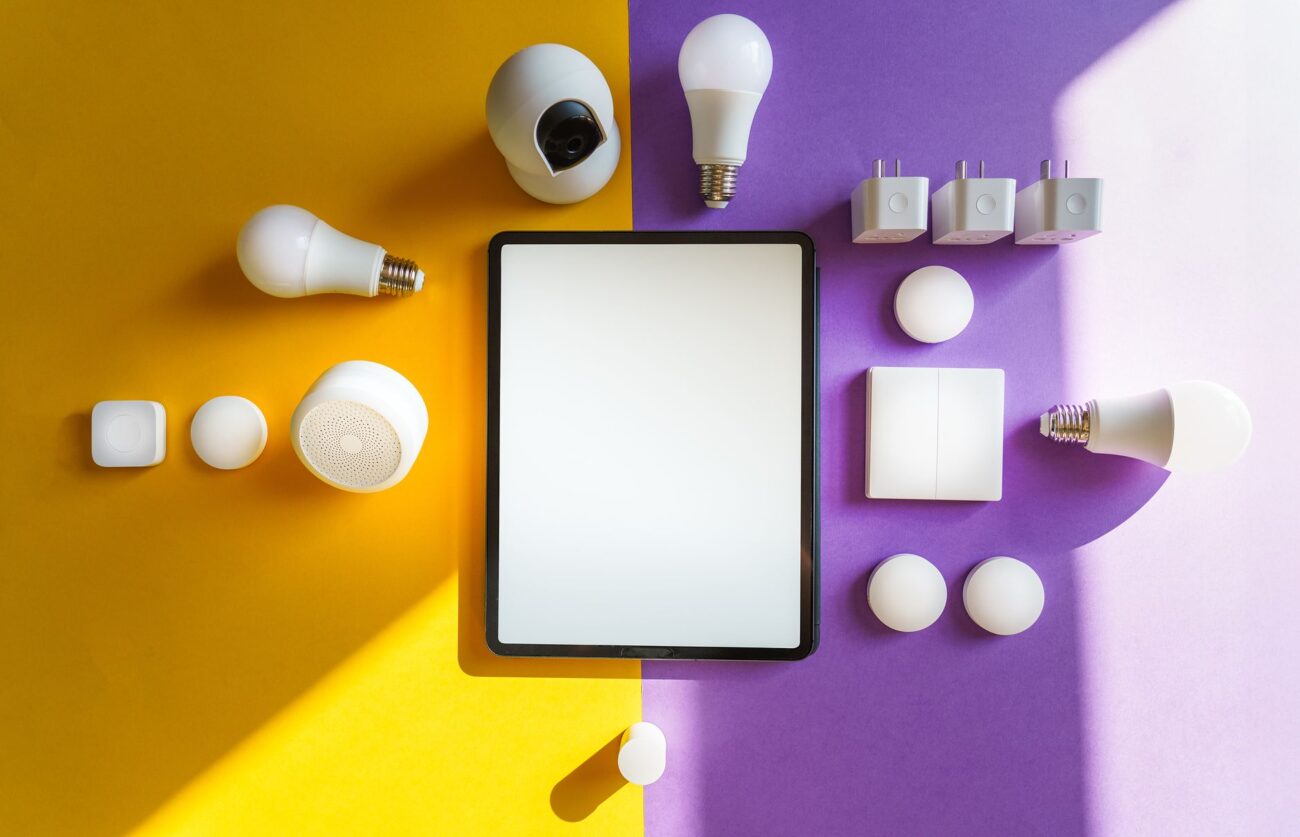
Welcome to TechGurl’s ultimate guide to finding the best smart bulbs for your home in 2026! Smart lighting has evolved dramatically, offering more than just on/off control. Today’s smart bulbs integrate seamlessly with your smart home ecosystem, providing personalized ambiance, energy efficiency, and enhanced security. Whether you’re looking to set the perfect mood for a movie night, automate your morning routine, or simply save on your energy bill, there’s a smart bulb out there for you. We’ve rigorously tested the latest models to bring you our top picks, ensuring you make an informed decision.
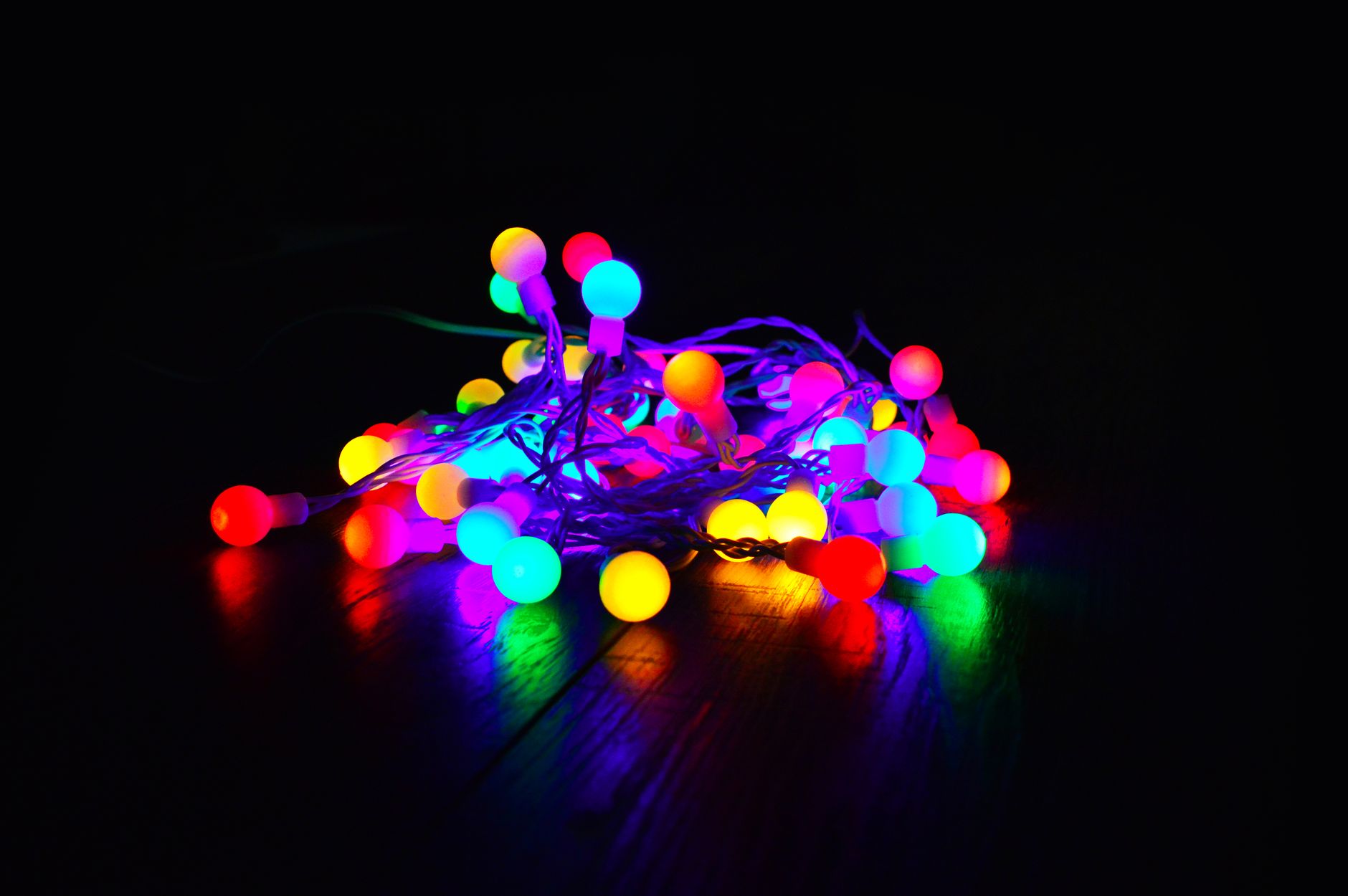
Our Top 5 Best Smart Bulbs for 2026
After extensive testing and evaluation, here are our picks for the top smart bulbs that stand out in terms of performance, features, value, and ecosystem compatibility.
1. Philips Hue White and Color Ambiance A19
Philips Hue remains the gold standard in smart lighting, and for good reason. The White and Color Ambiance A19 bulbs offer unparalleled color reproduction, brightness, and reliability. While they often require a Hue Bridge for full functionality (especially for Zigbee and Apple HomeKit integration), the investment is worthwhile for the robust ecosystem, extensive third-party integrations, and advanced features like dynamic scenes and entertainment sync. These bulbs deliver vibrant colors and a wide range of tunable white light, making them incredibly versatile for any room or mood. Their longevity and consistent performance justify the premium price point.
Philips Hue White and Color Ambiance A19 — check today’s price
2. TP-Link Kasa Smart Wi-Fi LED Bulb (KL130)
For those seeking excellent performance without the need for a separate hub, the TP-Link Kasa Smart Wi-Fi LED Bulb KL130 is a fantastic choice. These bulbs connect directly to your home Wi-Fi network, making setup incredibly simple. They offer a great range of colors and tunable white light, alongside reliable performance and integration with Amazon Alexa and Google Assistant. Kasa’s app is intuitive and user-friendly, allowing for easy scheduling, scene creation, and remote control. They represent exceptional value, especially for users who prioritize simplicity and affordability without compromising on core smart lighting features.
TP-Link Kasa Smart Wi-Fi LED Bulb KL130 — check today’s price
3. Govee Smart Light Bulbs (H619A)
Govee has carved out a niche for itself by offering high-quality, feature-rich smart lighting at competitive prices, and their H619A Smart Light Bulbs are no exception. These Wi-Fi and Bluetooth-enabled bulbs boast an impressive color spectrum and excellent brightness. What sets Govee apart is its extensive range of unique lighting effects and modes available through the Govee Home app, perfect for parties, gaming setups, or creating a truly immersive ambiance. They integrate well with voice assistants and offer reliable connectivity, making them a strong contender for users who love dynamic, creative lighting.
Govee Smart Light Bulbs H619A — check today’s price
4. Nanoleaf Essentials A19 (Matter)
Nanoleaf, known for its innovative lighting panels, brings its expertise to traditional bulbs with the Essentials A19. These bulbs are significant because they support Matter over Thread, making them incredibly future-proof and compatible with a wide array of smart home platforms without needing a proprietary hub (if you have a Thread border router). They offer vibrant colors, bright tunable whites, and excellent responsiveness. The Nanoleaf app provides granular control and unique features like Circadian Lighting, which automatically adjusts color temperature throughout the day to match natural light cycles. They are a premium option for early adopters of Matter and Thread technology.
Nanoleaf Essentials A19 (Matter) — check today’s price
5. Wyze Bulb Color
Wyze continues its tradition of offering feature-packed smart home devices at incredibly affordable prices with the Wyze Bulb Color. These Wi-Fi bulbs deliver a surprising amount of brightness and a decent range of colors and tunable whites for their price point. Setup is straightforward through the Wyze app, which also offers scheduling, vacation mode, and integration with other Wyze devices. While they might not offer the same color accuracy or advanced integrations as premium options, the Wyze Bulb Color provides an unbeatable entry point into smart lighting, making smart bulbs accessible to everyone.
Wyze Bulb Color — check today’s price
Comparison Table: Best Smart Bulbs of 2026
Here’s a quick overview of how our top picks stack up against each other:
| Feature | Philips Hue White and Color Ambiance A19 | TP-Link Kasa Smart Wi-Fi LED Bulb (KL130) | Govee Smart Light Bulbs (H619A) | Nanoleaf Essentials A19 (Matter) | Wyze Bulb Color |
|---|---|---|---|---|---|
| Connectivity | Zigbee (Bridge required for full features) | Wi-Fi | Wi-Fi & Bluetooth | Matter over Thread | Wi-Fi |
| Hub Required | Yes (Hue Bridge recommended) | No | No | No (Thread Border Router for Matter) | No |
| Color & White | Full Color & Tunable White | Full Color & Tunable White | Full Color & Tunable White | Full Color & Tunable White | Full Color & Tunable White |
| Brightness (lumens) | Up to 1100 | Up to 800 | Up to 800 | Up to 1100 | Up to 1100 |
| Voice Assistant | Alexa, Google, Siri | Alexa, Google | Alexa, Google | Alexa, Google, Siri (via Matter) | Alexa, Google |
| Key Feature | Robust ecosystem, best color accuracy | Hub-free simplicity, great value | Dynamic lighting effects, strong app | Matter & Thread, Circadian Lighting | Ultra-affordable, good performance |
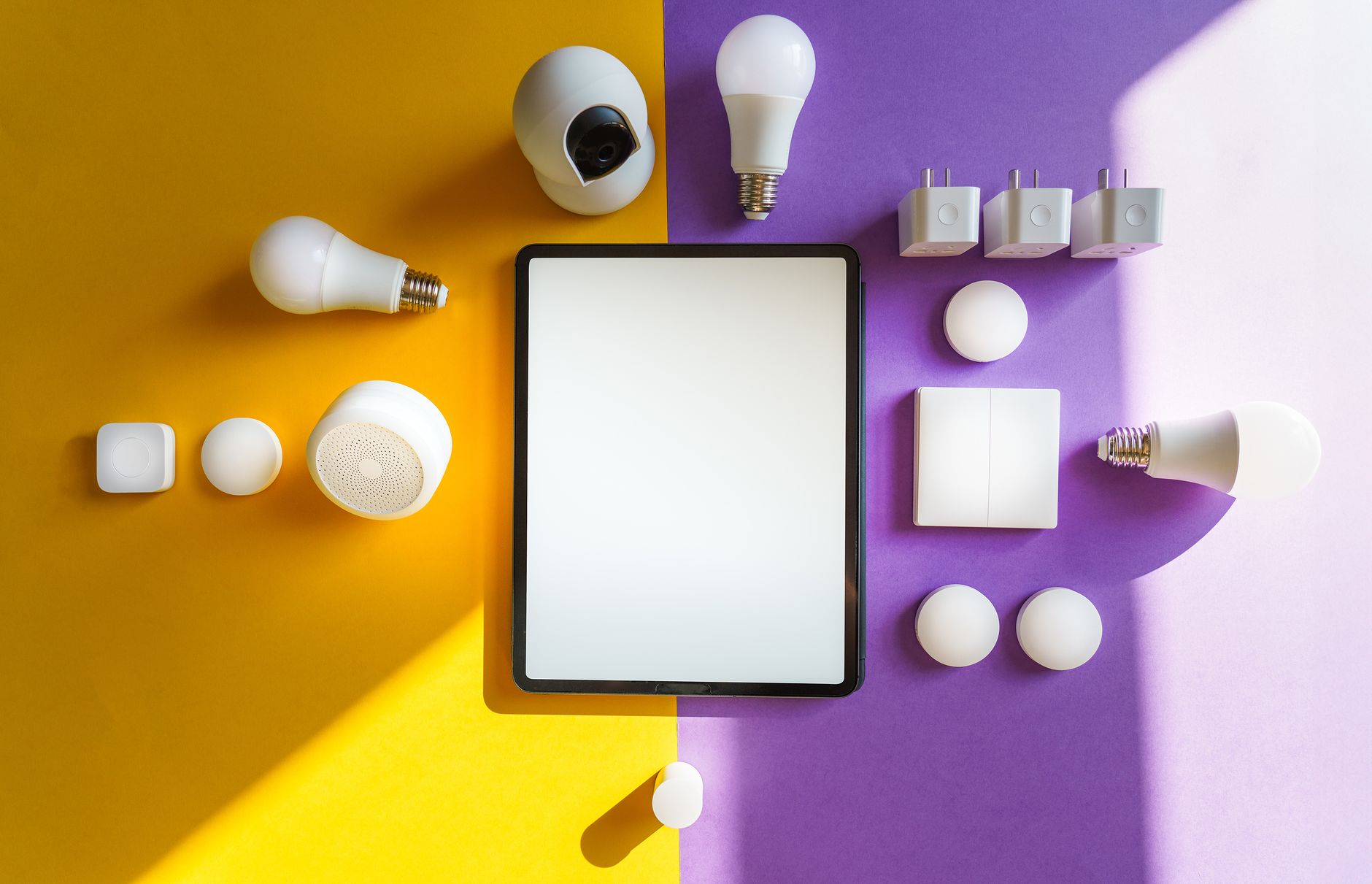
Best value picks on AliExpress
AliExpress offers a plethora of affordable smart lighting options, perfect for expanding your smart home on a budget. While quality can vary, these search terms will help you find complete products that deliver good value.

8MP E27 Bulb Wifi Surveillance Camera 10X Digital Zoom AI Humanoid Detection Color Night V
$22.11 $22.75 on AliExpress
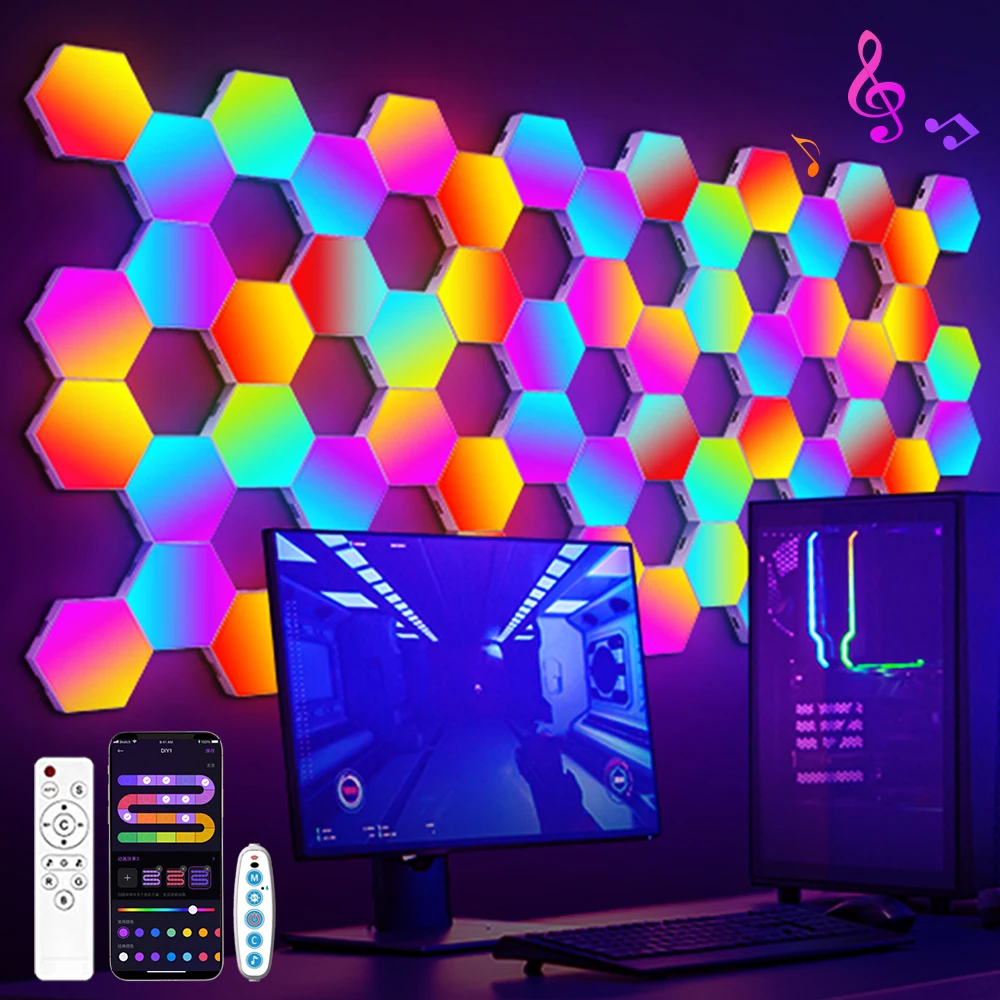
RGB Smart Hexagonal Wall Lamp Color changing Ambient Night Light DIY Shape Music Rhythm AP
$31.34 $62.67 on AliExpress
RGB Smart Hexagonal Wall Lamp Color changing Ambient Night Light DIY Shape Music Rhythm AP
$27.34 $96.91 on AliExpress
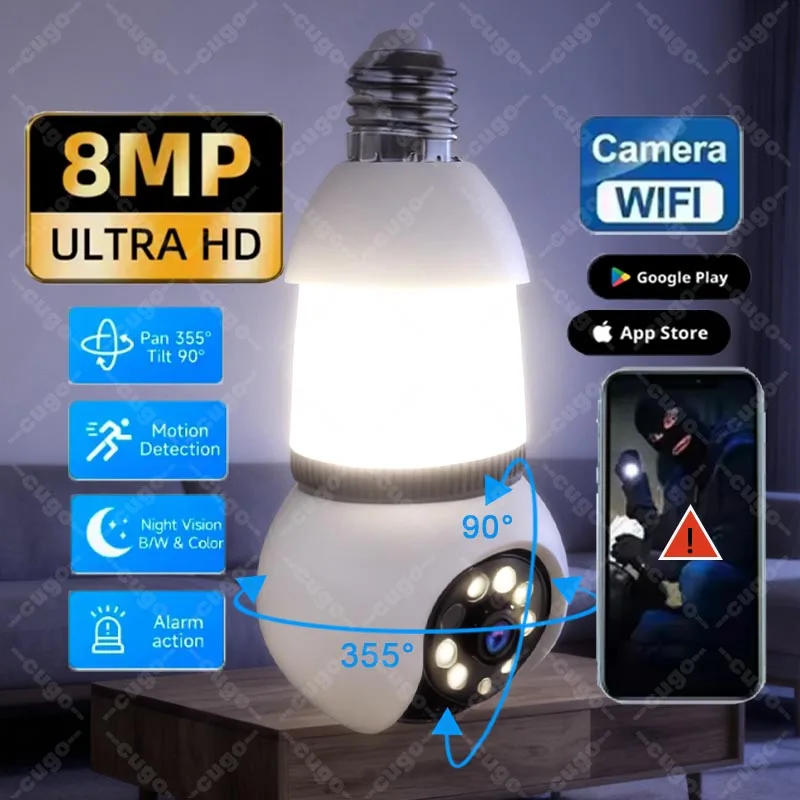
8MP E27 Bulb Lamp Camera LED Bulb WiFi Smart IP Surveilance Cam Two-way Audio Color Night
$22.02 $24.39 on AliExpress
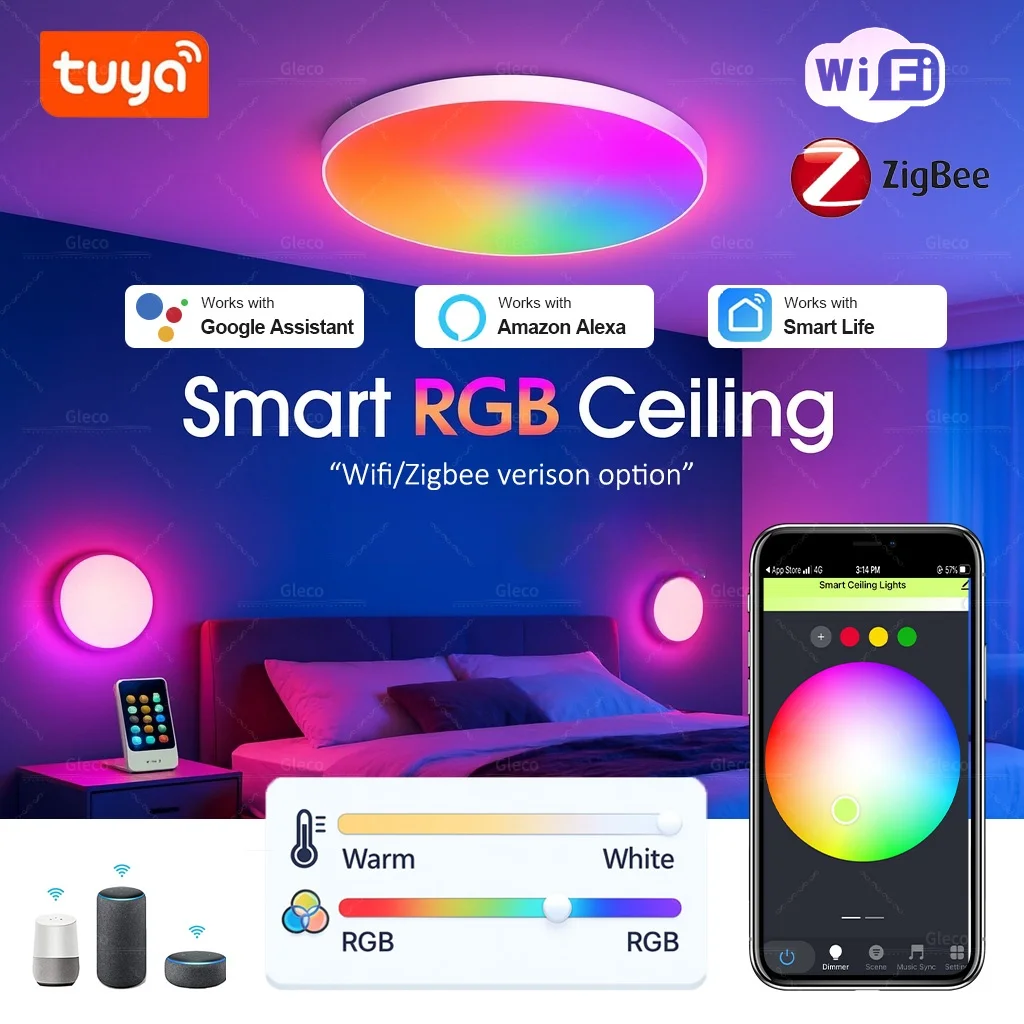
Tuya Wifi/Zigbee Ceiling Light RGBCW Led Ceiling Lamp Livingroom Home Decoration Smart Lam
$25.09 $57.43 on AliExpress
How to Choose the Best Smart Bulbs for Your Home
Selecting the right smart bulbs involves considering several factors beyond just color and brightness. Here’s a comprehensive guide to help you make an informed decision:
-
Connectivity: Wi-Fi, Zigbee, or Bluetooth?
Smart bulbs primarily use three types of wireless connectivity. Wi-Fi bulbs connect directly to your home network, requiring no hub, making them easy to set up. However, too many Wi-Fi devices can sometimes congest your network. Zigbee bulbs (like Philips Hue) require a dedicated hub (bridge) but offer greater scalability, mesh networking for wider coverage, and often better responsiveness. Bluetooth bulbs are great for single-room control without a hub but have limited range and features. Matter over Thread is an emerging standard offering robust, hub-optional connectivity.
-
Color vs. White vs. Tunable White
Do you need full-color customization or just various shades of white? Color-changing bulbs offer millions of hues, perfect for creating ambiance. Tunable white bulbs let you adjust the color temperature from warm to cool white, ideal for different tasks or times of day. Fixed white bulbs are the simplest, offering a single color temperature and brightness.
-
Brightness (Lumens)
Brightness is measured in lumens (lm). A standard 60W incandescent bulb is roughly equivalent to 800 lumens. Consider the size of the room and your lighting needs. For accent lighting, lower lumens might suffice, while main living areas will need brighter options. Our top picks for the best smart bulbs range from 800 to 1100 lumens.
-
Ecosystem Compatibility
Ensure your chosen bulbs work with your existing smart home system. Are you an Amazon Alexa, Google Assistant, Apple HomeKit, or Samsung SmartThings user? Check for explicit compatibility. Matter-certified bulbs offer the broadest compatibility across platforms.
-
Features and App Experience
Beyond basic control, what features do you need? Look for scheduling, scenes, dimming capabilities, vacation modes, and energy monitoring. A user-friendly and feature-rich app can significantly enhance your experience with smart bulbs.
-
Form Factor and Base Type
Most smart bulbs come in the standard A19 shape with an E26/E27 screw base, fitting most lamps and fixtures. However, specialized bulbs like BR30 (recessed lighting) or GU10 (spotlights) are also available. Double-check the base type your fixtures require.
Frequently Asked Questions about Smart Bulbs
Q: Do smart bulbs use more electricity than regular LED bulbs?
A: Generally, no. Smart bulbs are almost exclusively LED bulbs, which are significantly more energy-efficient than traditional incandescent bulbs. While they do consume a tiny amount of power while ‘off’ to maintain network connectivity, this negligible power draw is usually offset by the energy savings from their LED nature and features like dimming and scheduling.
Q: Can I use smart bulbs in any light fixture?
A: Most smart bulbs are designed to fit standard light fixtures with common screw bases (E26/E27). However, you should always check the bulb’s specifications for its base type and ensure your fixture is compatible. Avoid using smart bulbs in enclosed fixtures unless explicitly stated by the manufacturer, as heat buildup can shorten their lifespan.
Q: Do I need a hub for my smart bulbs?
A: It depends on the brand and technology. Many modern smart bulbs, especially those using Wi-Fi, do not require a separate hub and connect directly to your home network. Others, particularly those using Zigbee (like Philips Hue), benefit greatly from or require a dedicated hub for full functionality, better range, and more advanced features. Matter-enabled bulbs can often operate without a proprietary hub if you have a Thread border router.
Q: What happens if my Wi-Fi goes down with smart bulbs?
A: If your Wi-Fi network goes down, Wi-Fi-based smart bulbs will lose their ‘smart’ functionality, meaning you won’t be able to control them via your app or voice assistant. However, most smart bulbs will revert to their last known state or simply turn on/off with a traditional light switch. Zigbee bulbs, which rely on their own mesh network, might still be controllable via their hub even if your internet is out, but not via cloud-based voice assistants.
Conclusion
The world of smart lighting continues to expand, offering innovative ways to enhance your home’s ambiance, efficiency, and security. Whether you prioritize vibrant colors, seamless integration, or budget-friendly options, there’s a perfect smart bulb waiting for you. Our top picks for the best smart bulbs in 2026 showcase the best of what the market has to offer, from the premium ecosystem of Philips Hue to the accessible brilliance of Wyze. We encourage you to explore the features and benefits of each to find the ideal lighting solution that fits your lifestyle and budget. For more tips on smart home integration, check out our other guides on Smart Home Plugs and Switches for 2026: The Ultimate Guide. You can also learn more about the general concept of smart lighting on Wikipedia.