As an Amazon Associate and an AliExpress affiliate, TechGurl earns from qualifying purchases. Some links on this page are affiliate links — if you buy through them we may receive a commission, at no extra cost to you. This never affects which products we cover or what we say about them.
Disclosure: This article contains affiliate links. If you buy through them we may earn a small commission at no extra cost to you.
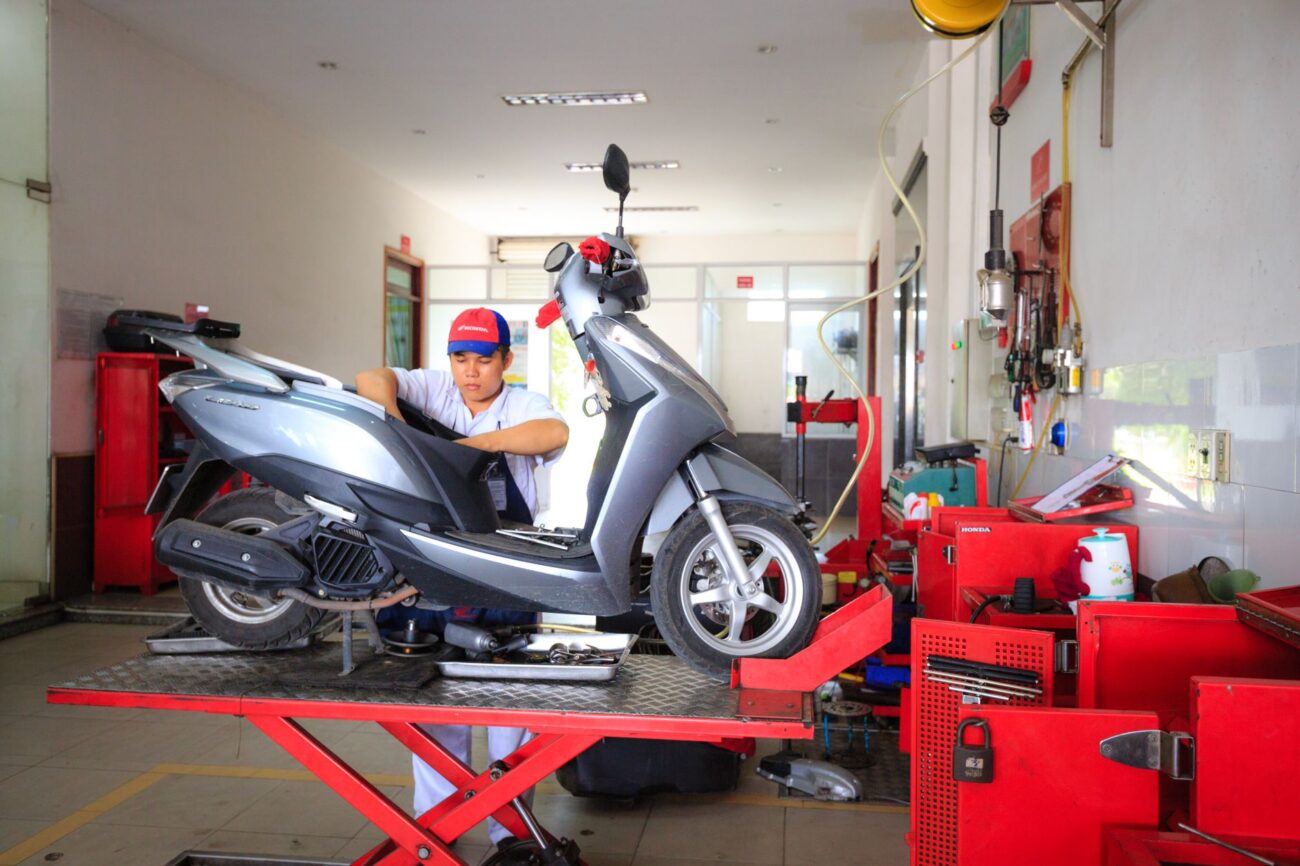
Electric scooters have become a convenient and eco-friendly way to navigate urban landscapes, but like any mechanical and electronic device, they can develop issues over time. Understanding common electric scooter problems and how to fix them can save you time, money, and frustration, keeping your ride smooth and reliable. This guide will walk you through troubleshooting and repairing some of the most frequent culprits: throttle malfunctions, battery issues, and charging port failures.
Understanding Your Electric Scooter’s Anatomy
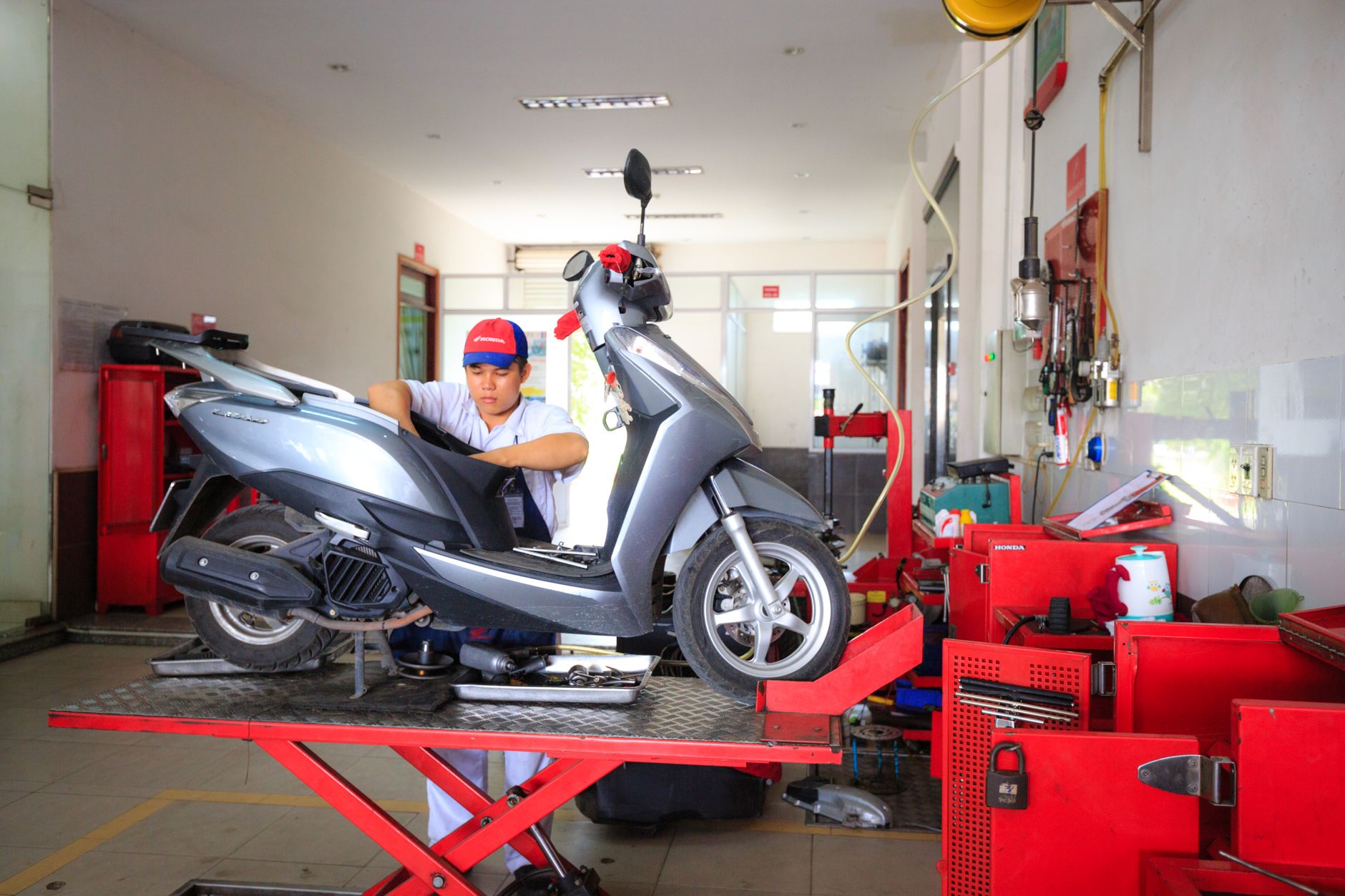
Before diving into fixes, it’s helpful to understand the core components of your electric scooter. Most scooters consist of:
- Motor: Provides power to the wheels.
- Battery: Stores energy to power the motor and electronics.
- Controller: The ‘brain’ that manages power distribution from the battery to the motor, based on throttle input.
- Throttle: The user interface for acceleration.
- Brakes: Essential for safety and control.
- Charging Port: Where you connect your charger to replenish the battery.
- Wiring Harness: Connects all these components.
Many common issues stem from problems within these interconnected systems. Always prioritize safety: turn off your scooter and disconnect the battery if possible before performing any repairs.
Common Electric Scooter Problems and Their Fixes
1. Throttle Issues: No Power or Inconsistent Speed
A faulty throttle can manifest as a complete lack of acceleration, intermittent power, or an inability to maintain a consistent speed. This is one of the most frustrating electric scooter problems as it directly impacts rideability.
Symptoms:
- Scooter doesn’t move when throttle is engaged.
- Power cuts in and out while riding.
- Scooter accelerates on its own or doesn’t decelerate properly.
- Error codes on the display related to throttle or motor.
Causes:
- Loose or corroded wiring connections.
- Damaged throttle sensor or internal components.
- Water ingress causing short circuits.
- Controller malfunction (less common for throttle-specific issues).
Troubleshooting & Fixes:
- Check Connections: Locate the throttle cable, usually running from the handlebar down into the scooter’s deck or stem. Ensure it’s securely plugged into the controller. Disconnect and reconnect to ensure a good contact. Look for any visible damage, kinks, or corrosion on the pins.
- Inspect for Physical Damage: Examine the throttle lever itself. Is it stuck? Does it return to its original position smoothly? Sometimes, dirt or debris can impede its movement.
- Clean the Throttle: If you suspect dirt or moisture, carefully open the throttle casing (if accessible) and clean it with electronic contact cleaner. Allow it to dry completely before reassembling.
- Test with a Multimeter (Advanced): If comfortable, you can test the throttle’s voltage output. A typical hall-effect throttle should show a varying voltage (e.g., 0.8V to 4.2V) as you twist it. Consult your scooter’s manual for specific values.
- Replace the Throttle: If all else fails, the throttle unit itself is likely defective. Replacing it is often a straightforward process, usually involving unscrewing the old unit, disconnecting its cable, and installing the new one. Ensure you purchase a compatible replacement for your scooter model.
If you’re replacing the throttle, consider a high-quality unit.
Electric Scooter Replacement Throttle — check today’s price
2. Battery Problems: Not Charging or Poor Range
The battery is the heart of your electric scooter. Issues here can range from not holding a charge to a complete failure to power on. These are critical electric scooter problems that need prompt attention.
Symptoms:
- Scooter doesn’t turn on.
- Battery indicator shows full charge but range is very low.
- Scooter charges very slowly or not at all.
- Charger light doesn’t change from red to green (or vice versa).
- Battery pack is visibly swollen or emits unusual odors.
Causes:
- Faulty charger.
- Damaged charging port (see next section).
- Degraded battery cells due to age or improper charging habits.
- Battery Management System (BMS) failure.
- Loose battery connections.
Troubleshooting & Fixes:
- Check the Charger: This is the easiest first step. Try charging another compatible device (if possible) with your charger, or try your scooter with a known good charger. Look for any damage to the charger cable or brick. A reliable charger is key.
Electric Scooter Battery Charger — check today’s price
- Inspect Battery Connections: Open the scooter’s deck (if accessible) and check that the battery pack’s main power cables are securely connected to the controller. Look for corrosion or loose wires.
- Check for Swelling or Leaks: If your battery pack appears swollen, is hot to the touch, or is leaking, immediately stop using it and seek professional help. This indicates a serious and potentially dangerous issue.
- Reset the BMS (if applicable): Some scooters have a BMS reset button. Consult your manual. This can sometimes resolve issues where the BMS has incorrectly cut power.
- Battery Replacement: If the battery is old (typically 2-3 years of regular use) and showing significantly reduced range, it might be time for a replacement. This is usually the most expensive fix but often necessary for an aging scooter.
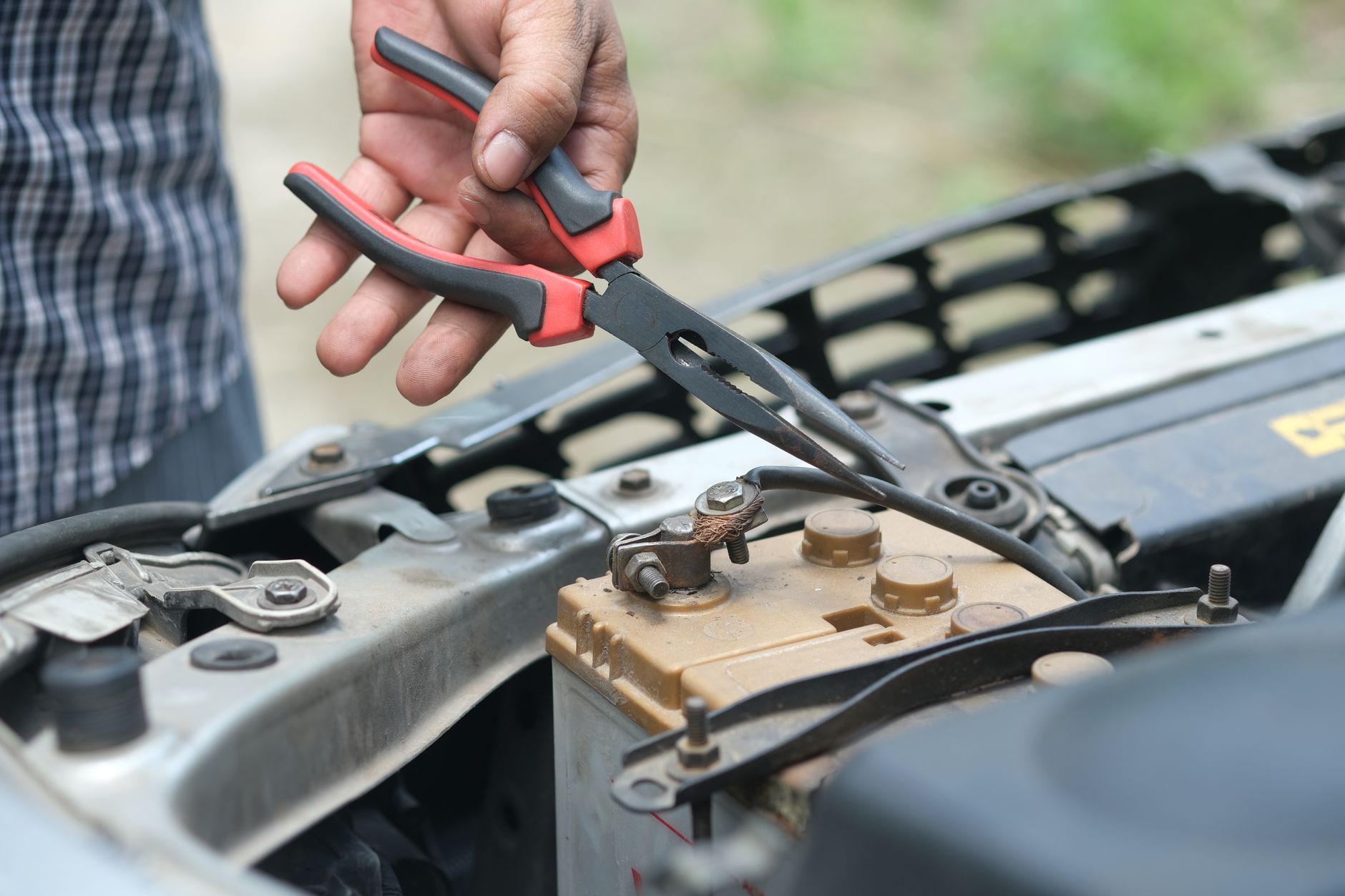
3. Charging Port Malfunctions: Loose or Damaged
A charging port that isn’t working correctly will prevent your battery from recharging, effectively rendering your scooter useless once the current charge runs out. These electric scooter problems are often simple to diagnose.
Symptoms:
- Charger doesn’t fit snugly into the port.
- Charger light doesn’t activate when plugged in.
- Charging only occurs if you wiggle the charger cable.
- Visible damage to the charging port or its surrounding area.
Causes:
- Physical damage from impacts or improper insertion/removal of the charger.
- Corrosion or dirt inside the port.
- Loose solder joints or internal wiring.
Troubleshooting & Fixes:
- Visual Inspection: Carefully examine the charging port. Look for bent pins, debris, or corrosion inside. Check if the port itself feels loose or wobbly.
- Clean the Port: Use compressed air to blow out any dust or debris. For stubborn dirt or corrosion, a non-conductive tool like a wooden toothpick or a small brush with electronic contact cleaner can be used. Ensure the port is completely dry before attempting to charge.
- Check for Loose Wiring: If the port is accessible from inside the scooter’s deck, check the wires connecting the charging port to the battery or controller. Ensure they are secure and not frayed.
- Tighten the Port: If the port itself is loose, there might be a retaining nut or screws that need tightening. This often requires opening the scooter’s deck.
- Replace the Charging Port: If the port is physically damaged (e.g., bent pins, cracked housing) or has internal wiring issues, it will need to be replaced. This usually involves desoldering the old port and soldering in a new one, or simply unplugging and replugging a modular port.
Handy tools on AliExpress
Having the right tools can make troubleshooting and fixing your electric scooter much easier and safer. Here are a couple of essential items:
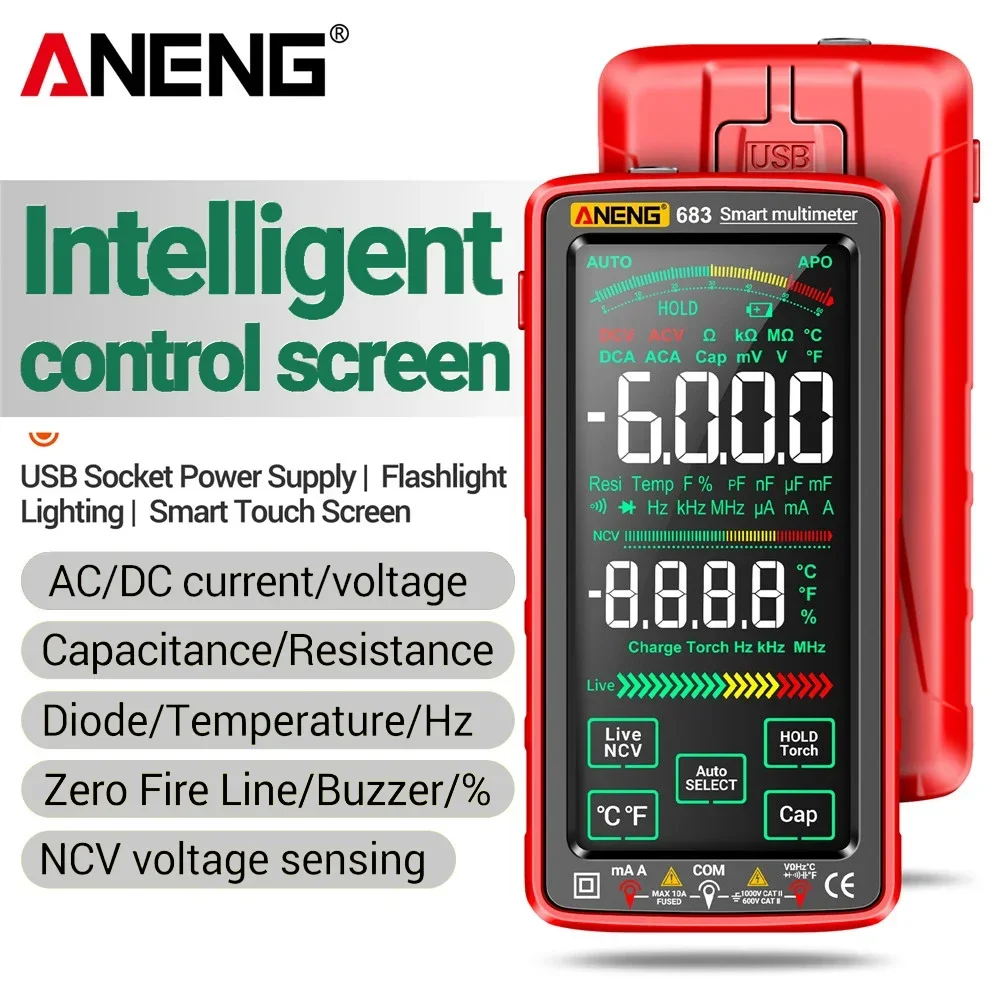
ANENG 683 Smart Multimeter Tester High-end Touch Rechargeable 6000 Counts Multimetro Test
$31.09 $68.90 on AliExpress
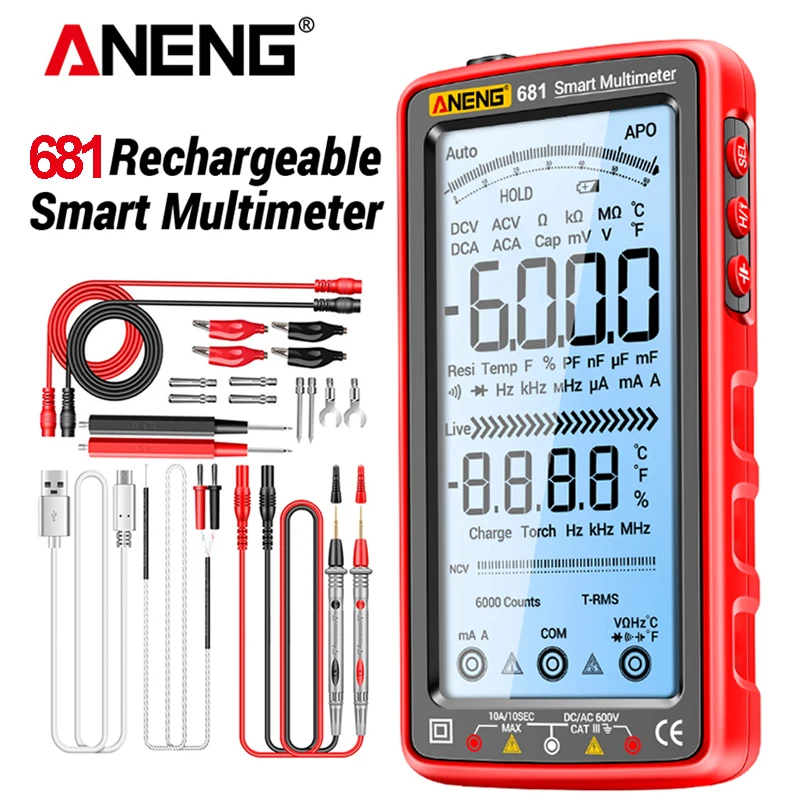
ANENG 681 Rechargable Digital Professional Multimeter Non-contact Voltage Tester AC/DC Vol
$25.72 $49.46 on AliExpress
Tips for Preventing Common Scooter Problems
- Regular Cleaning: Keep your scooter clean, especially around the charging port and throttle mechanism, to prevent dirt and debris buildup.
- Proper Storage: Store your scooter in a dry, temperate environment. Avoid extreme heat or cold, which can degrade battery life.
- Charge Smart: Don’t consistently drain your battery to 0% or leave it at 100% for extended periods. Aim for 20-80% charge for daily use and store at 50-60% for long periods of inactivity.
- Inspect Regularly: Periodically check all cables, connections, and external components for signs of wear or damage.
- Ride Safely: Avoid riding through deep puddles or in heavy rain, as water ingress is a common cause of electronic component failure. For more general maintenance tips, consult resources like Wikipedia’s electric kick scooter page.
FAQ About Electric Scooter Repairs
Q1: Can I fix all electric scooter problems myself?
Many common issues like loose connections, dirty ports, or simple component replacements (like a throttle) can be fixed by a DIY enthusiast with basic tools and some patience. However, complex electrical issues, motor repairs, or internal battery pack repairs should generally be left to qualified professionals due to safety risks.
Q2: How do I know if my battery is truly dead or just needs charging?
If your scooter doesn’t turn on at all, try charging it for a few hours with a known good charger. If it still doesn’t power on, or if it charges but quickly loses power, the battery may be degraded. A multimeter can confirm the battery’s voltage; if it’s significantly below the rated voltage, it’s likely dead or severely damaged.
Q3: Is it safe to ride my scooter with minor issues?
It depends on the issue. Minor cosmetic damage might be fine, but any problem affecting the brakes, steering, acceleration, or battery stability (e.g., swelling, overheating) should be addressed immediately. Riding with safety-critical faults puts you and others at risk.
Q4: What’s the average lifespan of an electric scooter battery?
Most electric scooter lithium-ion batteries are rated for 300 to 500 charge cycles before their capacity significantly degrades (typically to 80% of original). With proper care, this can translate to 2-4 years of regular use. Factors like charging habits, storage conditions, and riding style can impact lifespan.
Conclusion
Tackling common electric scooter problems doesn’t have to be daunting. By systematically troubleshooting throttle, battery, and charging port issues, you can often diagnose and fix the problem yourself, extending the life of your scooter and ensuring a safer, more enjoyable ride. Remember to always prioritize safety and consult your scooter’s manual or a professional if you’re unsure. For more detailed guides on scooter maintenance and upgrades, check out our other Why Your Action Camera Stops Recording: 6 Causes & Fixes articles.