As an Amazon Associate and an AliExpress affiliate, TechGurl earns from qualifying purchases. Some links on this page are affiliate links — if you buy through them we may receive a commission, at no extra cost to you. This never affects which products we cover or what we say about them.
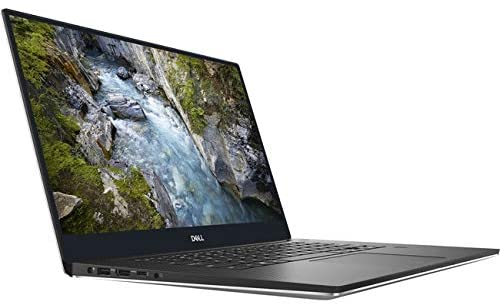
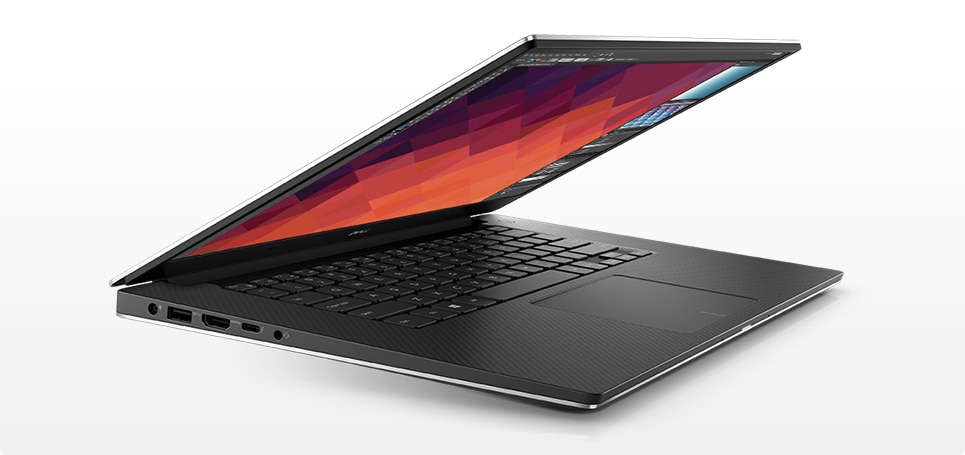
The Dell Precision 5520 is Dell’s thin-and-light mobile workstation, pairing a Quadro GPU with a 15-inch chassis. Here is our full hands-on take.
We liked
There’s an awful lot to admire about Dell’s professional portable. It’s a stunning bit of kit, from its carbon-fibre interior to its metallic shell, and it has great build quality and ergonomics. It’s light, and barely thicker than the competition – so it’s easy to use on the road.
The comfortable, classy exterior is paired with good performance. The screen offers decent quality, and the Core i5 processor and Nvidia Quadro GPU have enough power to handle most work applications.
The battery is good, too – almost offering a full day of use away from the mains.
We disliked
The Precision isn’t without issues. Its value, for starters: the MSI WS63 with the same core components is around $500 (£500, around AU$630) cheaper, and the MSI WS63 and HP ZBook machines that we reviewed cost £2,500 and £2,582 – but offered much more.
The Precision’s £2,101 (around $2700, AU$3400) price is high for a machine with a Core i5 chip, and customisation continues to illustrate its high cost: kitting the Dell out with a Core i7-7700HQ, 4K screen, 16GB of memory and a 256GB SSD ramps the price up to a whopping £2,620 (around $3400, AU$4300).
Costs aside, its performance is beaten by rivals, and the screen could have better colour accuracy – especially important for photo work.
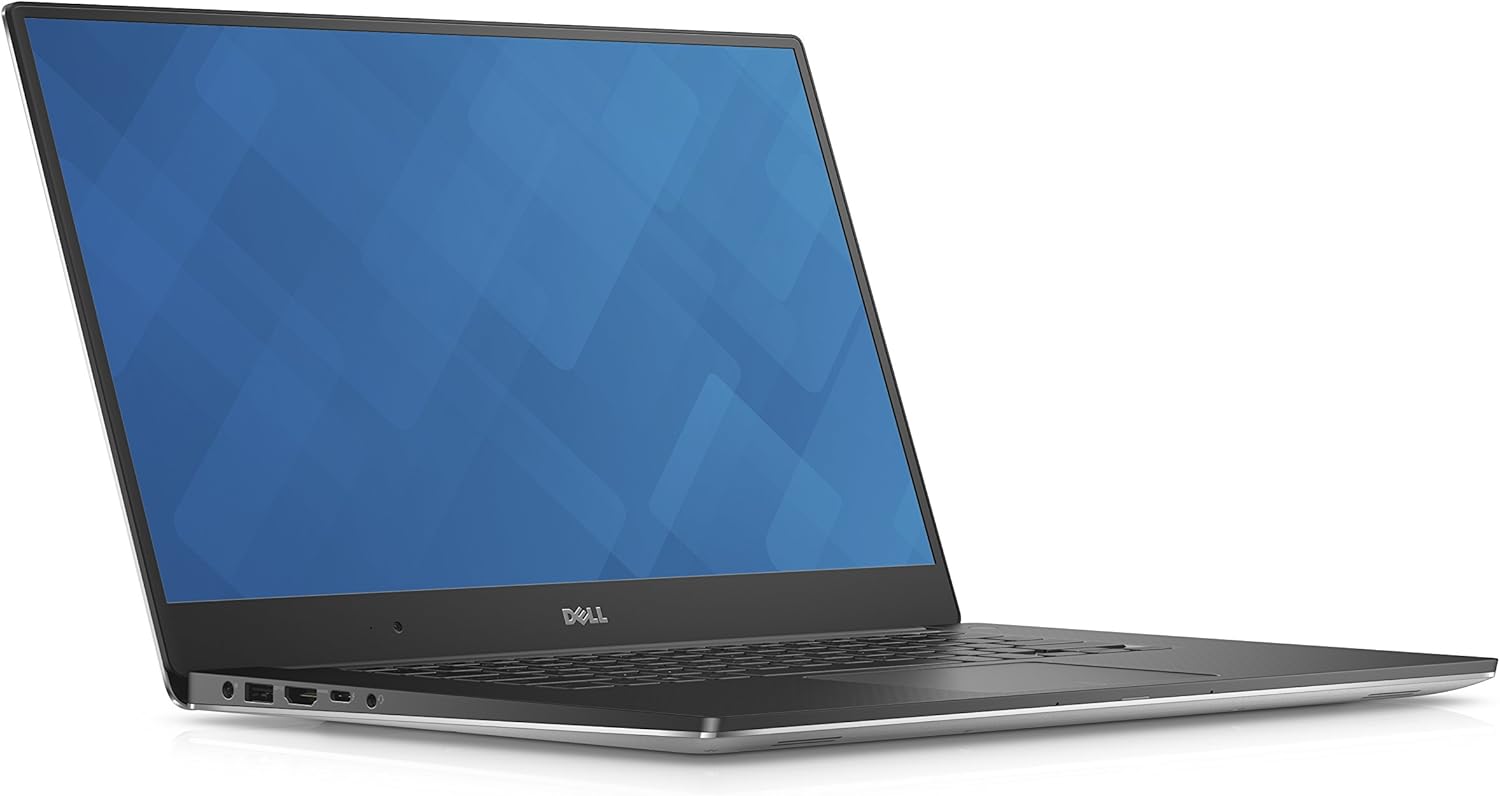
Both beauty and the beast, the Dell Precision 5520 packs a vivid display and super-powerful processor into a slim and sexy chassis. Epic battery life is the cherry on top of this tasty cake. The only real knock against the notebook is the placement of its webcam, which leads to Skype calls where you’re making people look at your knuckles and up your nose.
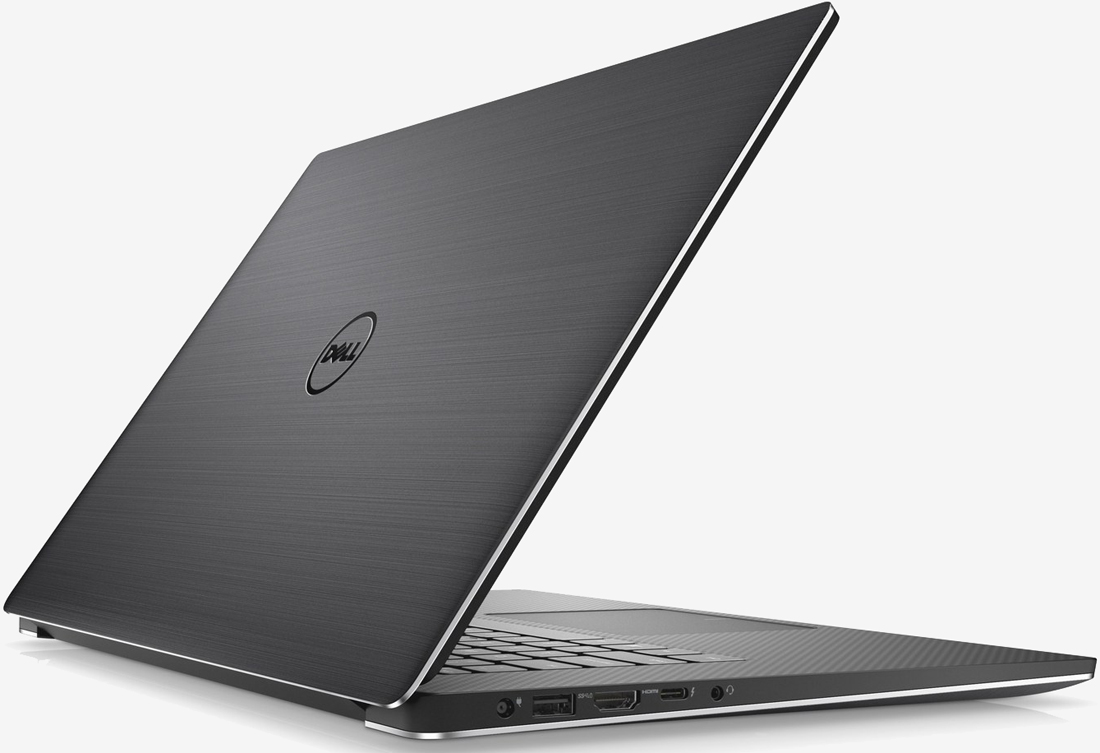
The ThinkPad P50 has a better keyboard, but uses a last-gen processor and has 3 hours less battery life. If you want the best combination of mobile workstation power, portability and style, the Precision 5520 is a no-brainer.

Dell Precision lineup on Wikipedia
techgurl
Dell Precision 5520 Specs
- CPU: 7th-gen Intel Core i5-7440HQ, i7-7820HQ, or Xeon E3-1505M v6
- GPU: NVIDIA Quadro M1200 4GB
- Display: 15.6″ FHD or UHD (3840×2160) InfinityEdge, with optional PremierColor calibration
- RAM: Two DDR4 SO-DIMM slots, officially up to 32GB
- Storage: Single M.2 PCIe NVMe slot, up to 1TB
- Ports: Thunderbolt 3, USB 3.0, HDMI, SD card reader, and a full-size SIM slot on WWAN-equipped units
As a mobile workstation rather than a general-purpose ultrabook, the Dell Precision 5520 is built around ISV-certified stability for CAD, 3D rendering, and engineering software rather than benchmark-chasing raw speed. The Quadro M1200 isn’t a gaming GPU, but it carries certified drivers for SolidWorks, AutoCAD, and similar professional applications where a consumer GeForce card can introduce rendering artifacts or crashes that Dell and NVIDIA jointly test against on the Quadro line.
Upgrading the Dell Precision 5520
If you picked up a base configuration Precision 5520 secondhand, the two most worthwhile upgrades are memory and storage, and both are refreshingly accessible for a workstation this thin — a single bottom panel removal exposes both SO-DIMM slots and the M.2 slot. Dell officially supports up to 32GB via a Dell Precision 5520 RAM upgrade kit (2×16GB DDR4), which matters a lot if you’re running memory-hungry CAD assemblies or large Photoshop/Premiere files alongside your modeling software. On the storage side, swapping in a larger Dell Precision 5520 SSD upgrade is straightforward since the machine uses a standard M.2 PCIe slot rather than a soldered drive.
One thing to watch for on the used market: because the 5520 was sold with several charger wattages depending on configuration (some UHD/Quadro units shipped with a 130W brick rather than the base 90W unit), confirm which one your specific unit needs before assuming a cheaper universal charger will keep up under sustained GPU load. A properly rated Dell Precision 5520 charger 130W avoids the throttling that can happen if you undersize the power adapter on the higher-spec configurations.
Is the Dell Precision 5520 Still Worth Buying?
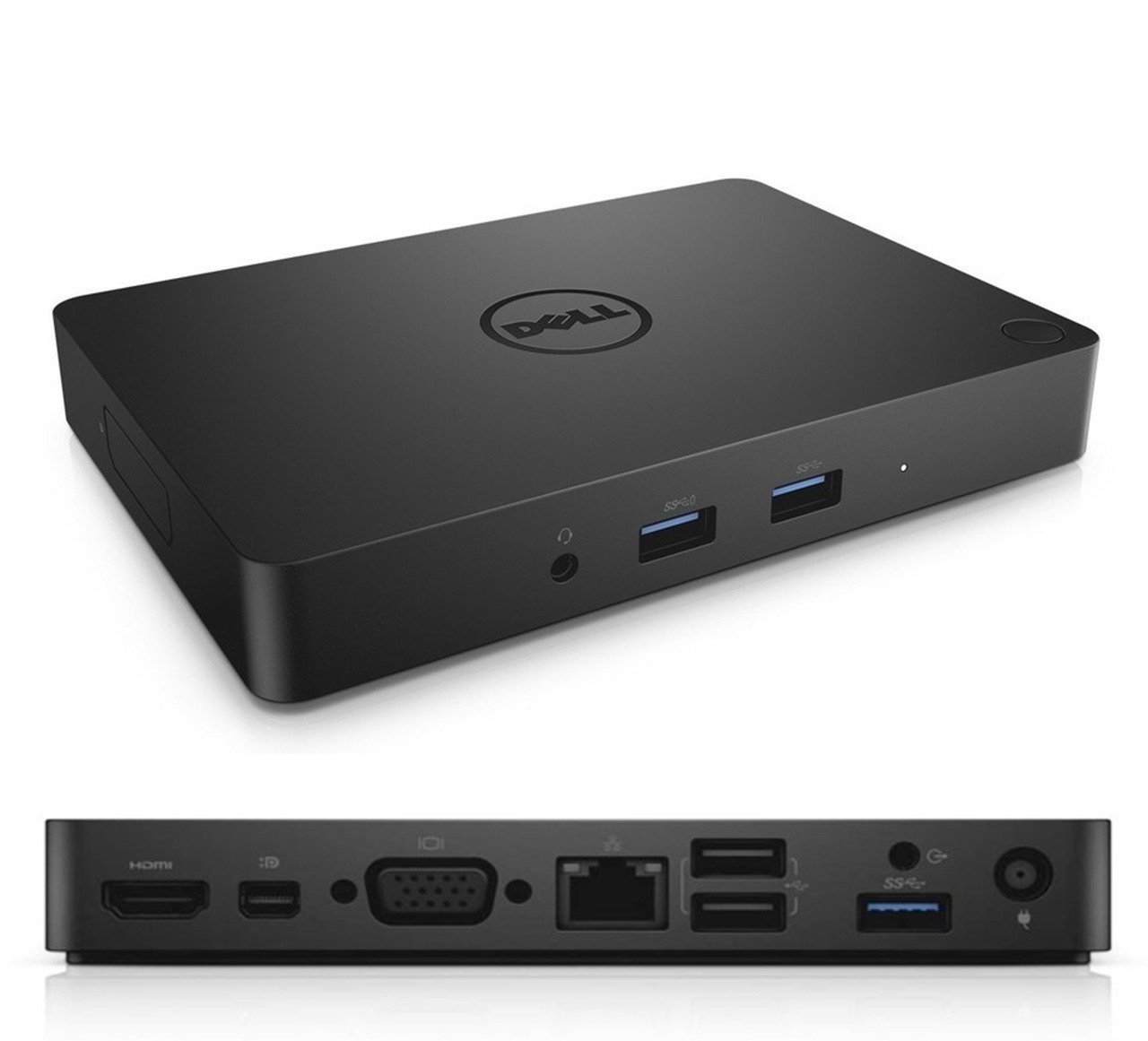
Years on, the Dell Precision 5520 still makes sense for one specific buyer: someone who needs ISV-certified professional graphics in a genuinely thin-and-light 15-inch chassis, and who can find one at a steep discount on the refurbished market. At original retail pricing it was a hard sell against the competition we mentioned above, but that math changes considerably once the price drops to a fraction of what Dell originally charged. For general productivity without the CAD/rendering requirement, a Dell Precision 5520 is still overkill — you’d get better everyday value from a standard Latitude or XPS. If you’re shopping for a docking solution to pair with it at a desk, our ThinkPad Ultra Docking Station USB-C guide covers the same single-cable convenience for Thunderbolt 3-equipped machines like this one.
Dell Precision 5520 vs. Rivals: Where the Value Actually Sits
The comparisons we made above against the MSI WS63 and HP ZBook Studio still hold up as the right way to think about the 5520’s original value proposition — Dell was charging a real premium for its InfinityEdge display and carbon-fiber build quality, and buyers had to decide whether that industrial design was worth several hundred dollars over machines with equivalent core specs. What’s changed since our original hands-on impressions is that all three machines are now firmly in refurbished-workstation territory, which flips the calculus. A used Precision 5520 with the UHD PremierColor display, at a steep discount off list price, competes very differently against a used WS63 than the two did at full retail. If display quality and chassis rigidity matter to you more than saving another hundred dollars, the case for the Dell gets considerably stronger on the secondary market than it ever was new.
It’s also worth being realistic about where the Quadro M1200 sits today. It was a solid entry-level professional GPU when the 5520 launched, but professional graphics workloads have grown substantially since then. If your CAD assemblies or renders have grown more complex over the years, don’t expect this GPU to keep pace with what a modern entry-level mobile workstation GPU can do — you’re buying this machine today for its chassis, display, and certified driver stability at a bargain price, not for cutting-edge rendering performance. Treat it as a capable machine for moderate CAD work, video editing at 1080p-to-4K, and general professional productivity, rather than for heavy simulation or complex assembly rendering.
Battery health is another thing worth checking carefully before buying used. The 5520’s battery was rated for a comfortable full workday when new, but several years of charge cycles on a machine this old means actual runtime varies enormously between individual units depending on how the previous owner treated it. Ask any seller for a screenshot of the battery report (available via Dell’s own diagnostics or through Windows’ built-in powercfg /batteryreport command) before finalizing a purchase, so you know exactly what condition the cell is in rather than relying on a general “battery life is good” claim from the listing.
Bottom line: buy it for the chassis and display at a discounted price, budget for a battery report before you commit, and go in with realistic expectations for the GPU’s modern performance ceiling.