Disclosure: This article contains affiliate links. If you buy through them we may earn a small commission at no extra cost to you.
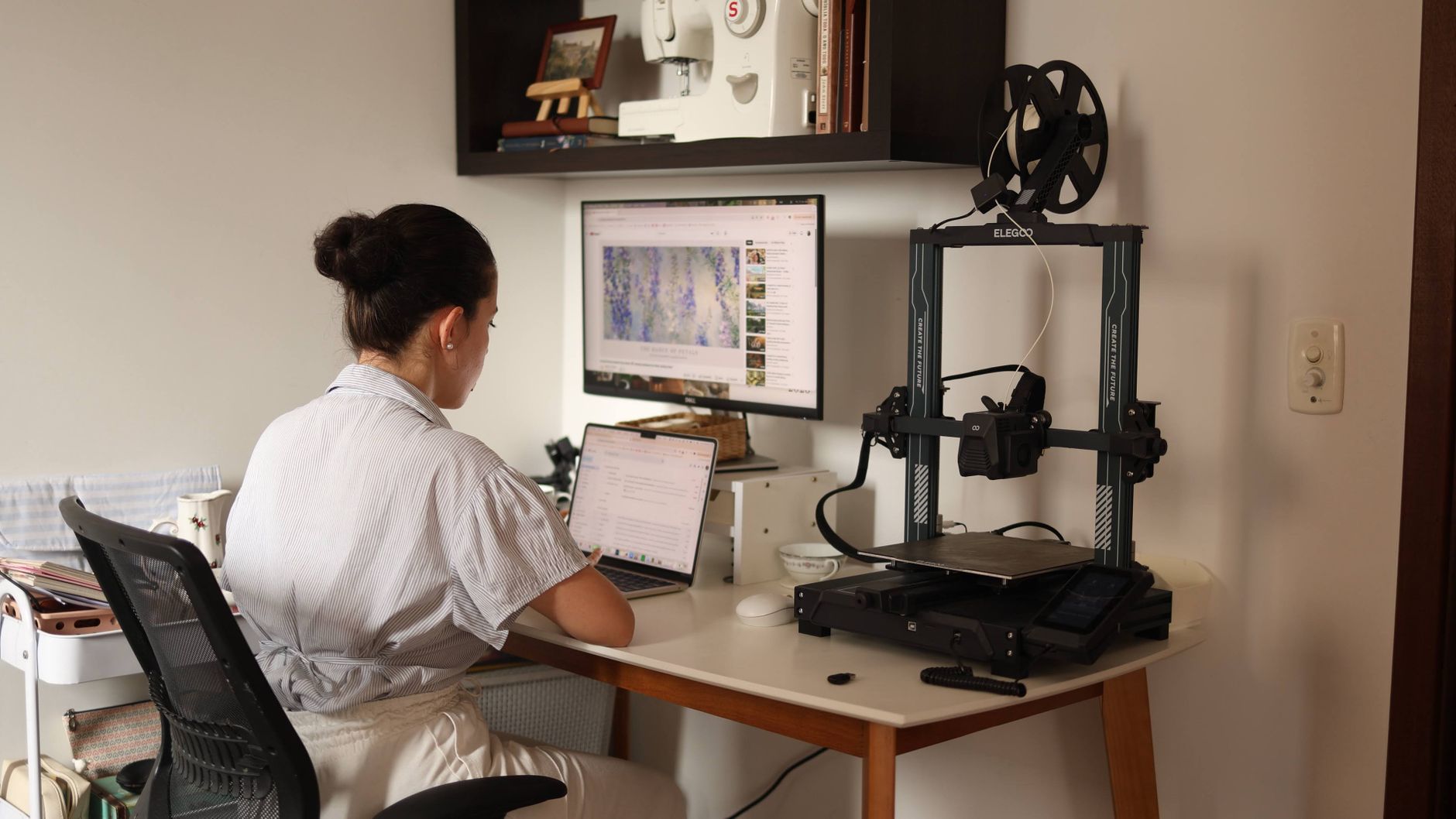
The world of additive manufacturing continues to evolve at a breathtaking pace, and finding the best 3D printers for 2026 means navigating a landscape of incredible innovation. Whether you’re a seasoned maker, an aspiring entrepreneur, or an educator looking to inspire the next generation, 3D printing offers unparalleled opportunities for creation. From intricate miniatures to functional prototypes, the capabilities of today’s machines are more accessible and powerful than ever before. This guide will help you identify the top contenders, ensuring you invest in a printer that meets your needs and budget for years to come.
1. Creality Ender 3 V3 KE
The Creality Ender 3 V3 KE represents the latest evolution in a lineage renowned for its accessibility and strong community support. Building on the success of its predecessors, the V3 KE pushes the boundaries of what an entry-level FDM printer can achieve. It boasts impressive print speeds, often reaching up to 500mm/s, thanks to its optimized CoreXY-like motion system and Klipper firmware pre-installed. This means less waiting and more creating. With features like auto-leveling, a flexible PEI build plate, and a direct drive extruder, it offers a user-friendly experience that makes it perfect for beginners while still providing enough performance to satisfy experienced hobbyists. Its robust construction and open-source nature ensure a wealth of upgrades and modifications are available, allowing users to continually enhance their printing capabilities.
Creality Ender 3 V3 KE — check today’s price
2. Bambu Lab P1S
Bambu Lab has rapidly established itself as a game-changer in the 3D printing industry, and the P1S is a testament to their commitment to speed, reliability, and ease of use. Positioned as a more affordable alternative to their flagship X1C, the P1S still delivers exceptional performance with a fully enclosed build volume, making it suitable for a wider range of filaments, including ABS and ASA. Its high-speed printing capabilities, precise calibration, and robust build quality set it apart. The optional Automatic Material System (AMS) allows for multi-color and multi-material printing, opening up incredible creative possibilities. For users seeking a near plug-and-play experience with professional-grade results and minimal tinkering, the Bambu Lab P1S is an outstanding choice that justifies its premium.
Bambu Lab P1S — check today’s price
3. Anycubic Photon Mono M5s
For those who demand incredible detail and smooth surface finishes, resin 3D printers are the answer, and the Anycubic Photon Mono M5s stands out as a leading contender in 2026. This machine brings an impressive 12K resolution to the desktop, allowing for models with astonishing clarity and precision. What truly sets the M5s apart is its innovative ‘leveling-free’ design, significantly simplifying the setup process and reducing potential points of failure for beginners. Its high-speed printing capabilities, achieved through a combination of a fast LCD screen and optimized resin release film, mean you can produce highly detailed prints in a fraction of the time traditionally associated with resin printing. Ideal for miniatures, jewelry, dental models, and intricate prototypes, the M5s offers a powerful blend of speed, resolution, and user-friendliness.
Anycubic Photon Mono M5s — check today’s price
4. Prusa MK4
Prusa Research has long been synonymous with reliability, open-source principles, and exceptional print quality, and the Prusa MK4 continues this proud tradition. As the latest iteration of their highly acclaimed FDM line, the MK4 refines an already excellent platform with significant upgrades. It features a next-generation 32-bit mainboard, a new load cell sensor for fully automatic first layer calibration, and improved print speeds without sacrificing its legendary print quality. The MK4 is designed for both ease of use and deep customization, making it a favorite among hobbyists and professionals alike who value robust engineering and a commitment to continuous improvement. Its open-source nature means a vibrant community and constant software updates, ensuring your investment remains relevant for years to come. For those who prioritize consistency, durability, and a printer that ‘just works,’ the Prusa MK4 is an unparalleled choice.
Prusa MK4 — check today’s price
5. Elegoo Neptune 4 Pro
The Elegoo Neptune 4 Pro emerges as a formidable competitor in the high-speed FDM market, offering an incredible feature set at a highly competitive price point. This printer boasts impressive print speeds, often reaching up to 500mm/s, powered by Klipper firmware pre-installed on its robust mainboard. It features an extended hotend for high-flow printing, a dual-gear direct drive extruder for excellent filament compatibility, and a segment-heated print bed for optimal temperature control and energy efficiency. Auto-leveling, a magnetic PEI build plate, and integrated LED lighting further enhance the user experience. The Neptune 4 Pro is an excellent option for users who want to dive into high-speed printing without breaking the bank, offering a fantastic balance of performance, features, and affordability, making it one of the best 3D printers in its class.
Elegoo Neptune 4 Pro — check today’s price
Comparison Table: Best 3D Printers for 2026
| Feature | Creality Ender 3 V3 KE | Bambu Lab P1S | Anycubic Photon Mono M5s | Prusa MK4 | Elegoo Neptune 4 Pro |
|---|---|---|---|---|---|
| Technology | FDM | FDM | Resin (MSLA) | FDM | FDM |
| Build Volume (approx.) | 220x220x240mm | 256x256x256mm | 218x123x200mm | 250x210x220mm | 225x225x265mm |
| Max Print Speed (approx.) | 500mm/s | 500mm/s | 100mm/h | 200mm/s+ | 500mm/s |
| Key Features | Klipper, Direct Drive, Auto-leveling | Enclosed, High-speed, AMS (optional) | 12K Resolution, Leveling-free, Fast Printing | Load Cell Sensor, Open-source, Reliability | Klipper, High-flow Hotend, Segmented Bed |
| Target User | Beginner to Intermediate | Intermediate to Professional | Detail-oriented Makers, Miniatures | All levels, Education, Reliability focus | Budget-conscious High-speed Users |
Best value picks on AliExpress
AliExpress can be a treasure trove for finding competitive deals on 3D printers, especially if you’re looking for budget-friendly options or specific features not widely available elsewhere. Be sure to check seller ratings and reviews carefully.
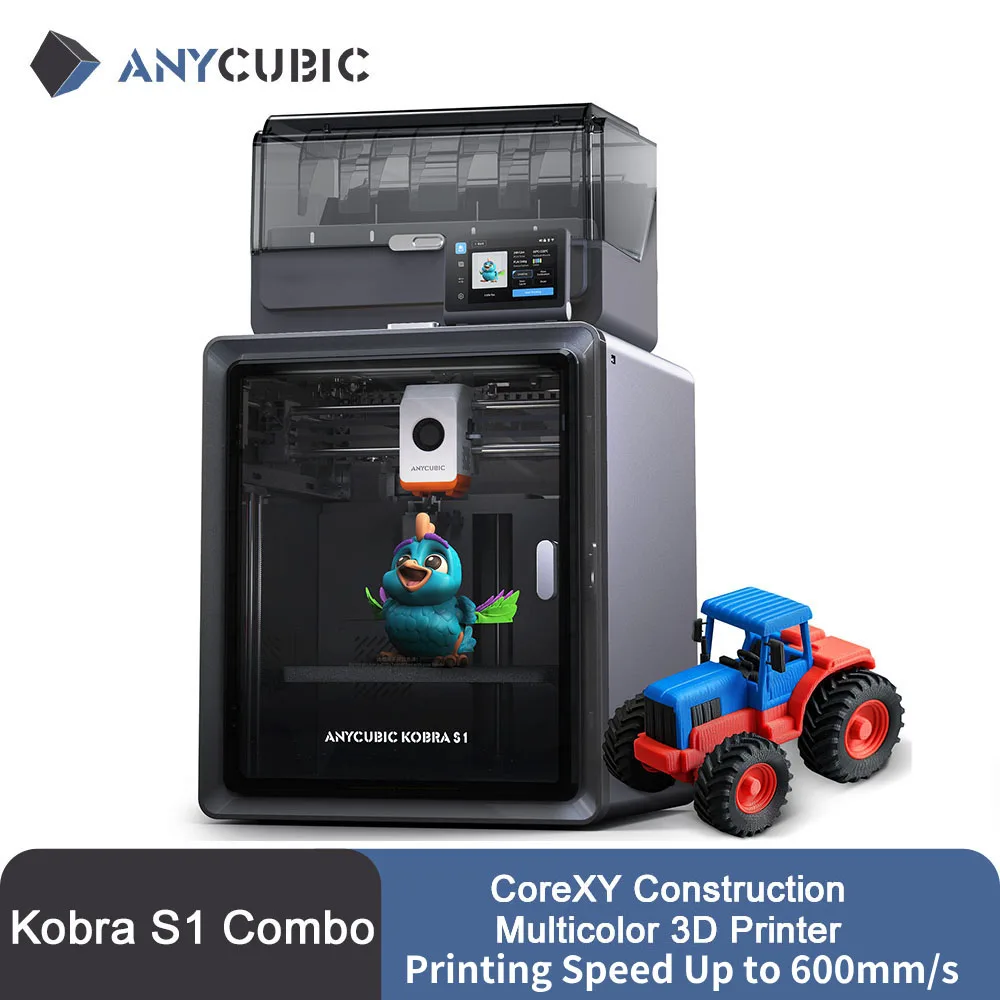
Anycubic Kobra S1 Combo Multi-Color 3D Printer Max Speed 600mm/s Core XY Stable Structure
$463.52 $1287.55 on AliExpress

QIDI MAX4 Combo CoreXY 3D Printer Industrial Large Scale High Speed Impressora 3D Enclosed
$1802.59 $3605.18 on AliExpress
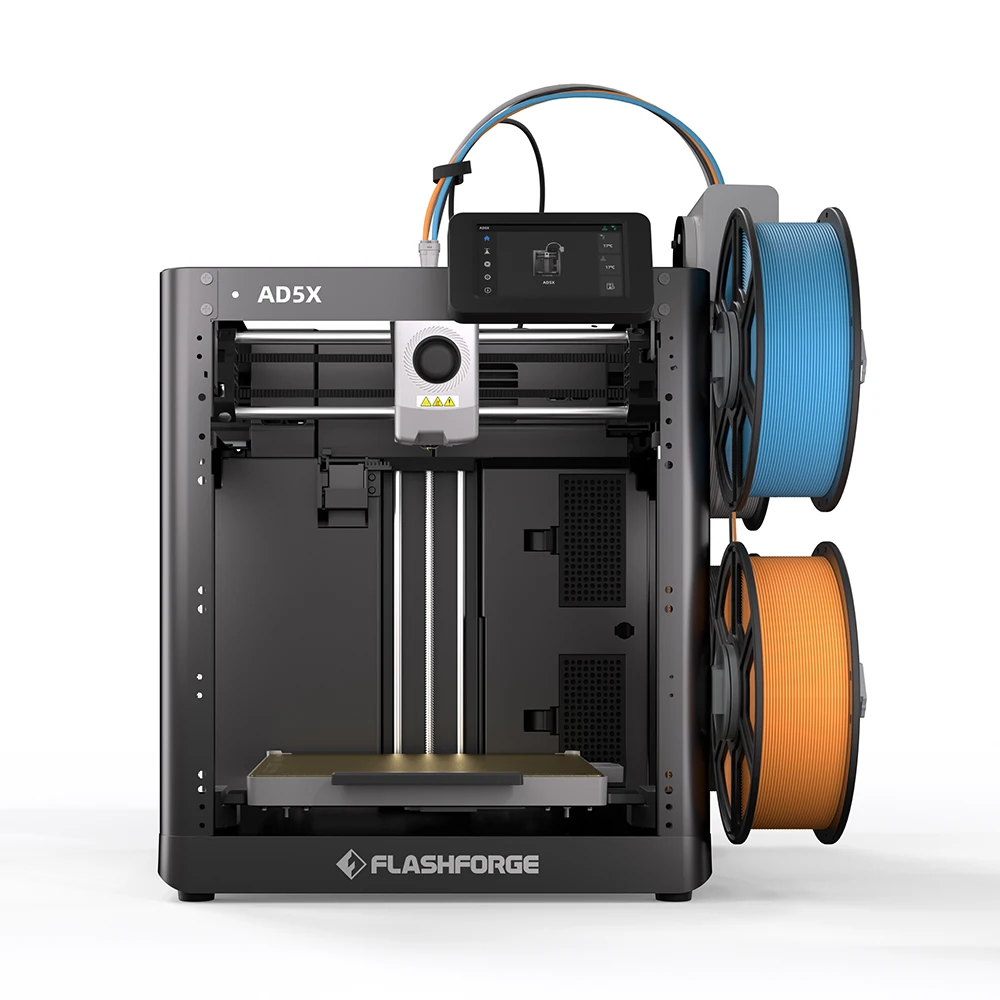
Flashforge New AD5X 3D Printer Muti-color Printing IFS System High-Temp Printing Fast Spee
$439.00 $548.75 on AliExpress
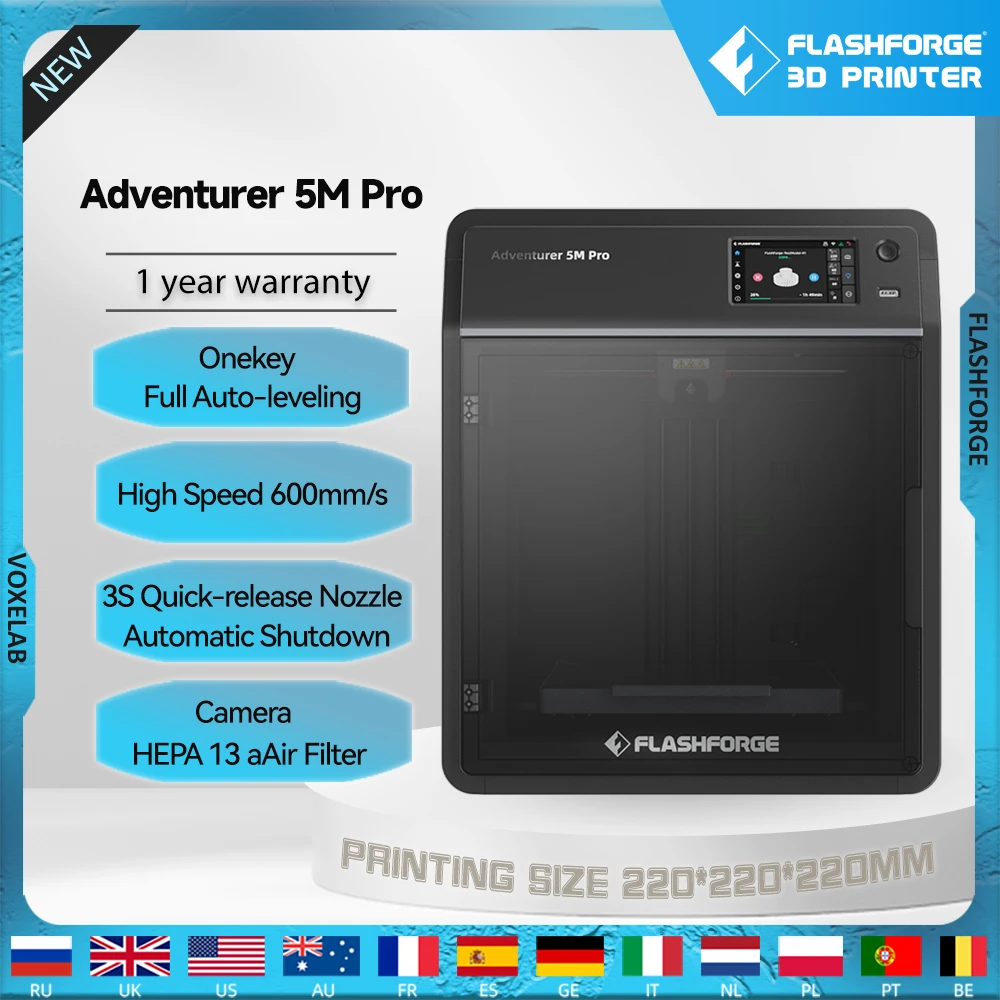
FLASHFORGE Adventurer 5M Pro 3d Printer High Speed Full-auto Leveling Direct Extruder Auto
$524.00 $655.00 on AliExpress

Sovol SV08 Core-XY 3D Printer Open Source, Max 700mm/s High Speed 3D Printers with 300℃ Cl
$597.53 $1195.07 on AliExpress
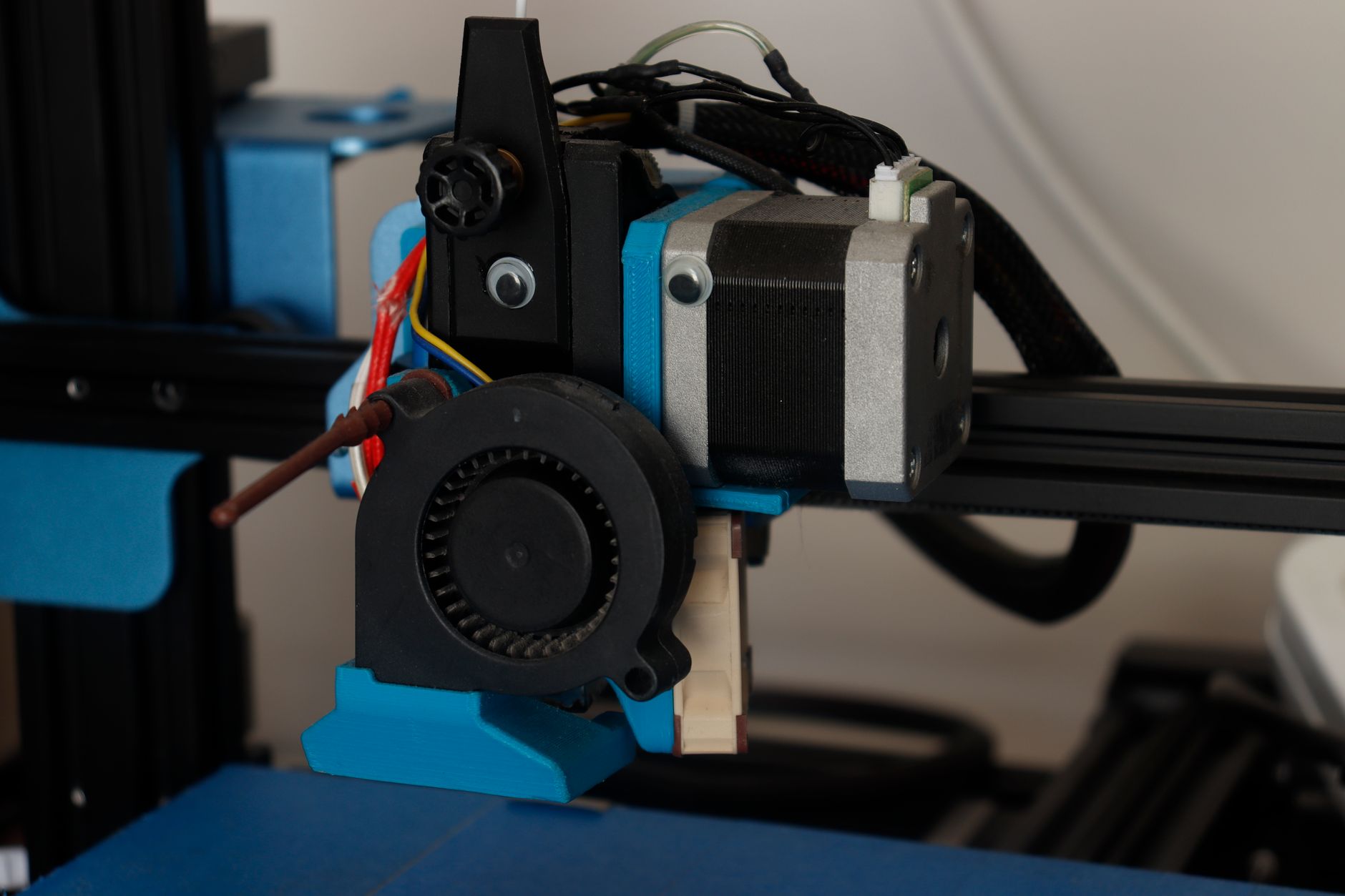
How to Choose the Best 3D Printer for You
Selecting the right 3D printer can feel overwhelming with the sheer number of options available. Consider these key factors to narrow down your choices and ensure you make an informed decision:
-
FDM vs. Resin (SLA/DLP/MSLA)
- FDM (Fused Deposition Modeling): Most common and affordable. Uses spools of plastic filament (PLA, PETG, ABS) to build objects layer by layer. Great for functional parts, prototypes, and larger prints. Generally faster for larger objects but with visible layer lines.
- Resin (SLA/DLP/MSLA): Uses liquid resin cured by a light source. Produces incredibly detailed, smooth objects with high precision. Ideal for miniatures, jewelry, dental models, and artistic pieces. Can be messier to work with and requires post-processing (washing, UV curing).
-
Build Volume
This refers to the maximum size of an object your printer can create. Consider the typical size of your desired prints. Larger build volumes offer more flexibility but often come with a higher price tag and a larger footprint.
-
Print Speed
Modern FDM printers are getting incredibly fast. If you’re planning to print many objects or frequently need quick prototypes, a high-speed printer (e.g., 250mm/s+) will save you significant time. Resin printers measure speed in mm/hour for layer curing.
-
Ease of Use & Setup
For beginners, features like auto-leveling, direct drive extruders, and pre-installed Klipper firmware can make a huge difference. Some printers are nearly plug-and-play, while others require more hands-on calibration and maintenance.
-
Filament/Resin Compatibility
Ensure the printer supports the materials you intend to use. FDM printers vary in their ability to handle exotic filaments like carbon fiber composites or flexible TPU. Resin printers require specific types of UV-curable resin.
-
Enclosure (for FDM)
An enclosed build chamber helps maintain a stable temperature, which is crucial for printing temperature-sensitive filaments like ABS, ASA, and Nylon, reducing warping and improving print quality.
-
Community & Support
A strong online community, readily available spare parts, and responsive customer support can be invaluable, especially when troubleshooting issues or seeking advice on upgrades.
-
Budget
3D printers range from a few hundred dollars to several thousand. Determine your budget and look for the best features and performance within that range. Remember to factor in the cost of filament/resin and any necessary accessories (e.g., ventilation for resin printers).
Frequently Asked Questions About 3D Printers
What’s the difference between FDM and Resin 3D printing?
FDM (Fused Deposition Modeling) printers build objects by extruding heated thermoplastic filament layer by layer. They are generally more affordable, easier to maintain, and suitable for functional parts and prototypes. Resin printers (SLA, DLP, MSLA) use a liquid photopolymer resin cured by UV light. They offer much higher detail and smoother surfaces, ideal for miniatures, jewelry, and highly aesthetic models, but require more post-processing and careful handling of chemicals.
Are 3D printers difficult to use for beginners?
Modern 3D printers are significantly more user-friendly than older models. Many now feature auto-leveling, intuitive touchscreens, and pre-configured settings that make getting started much easier. While there’s still a learning curve for optimizing prints and troubleshooting, the barrier to entry is lower than ever. FDM printers are generally considered more beginner-friendly than resin printers due to simpler material handling.
What materials can 3D printers use?
FDM printers primarily use various plastic filaments like PLA (Polylactic Acid), ABS (Acrylonitrile Butadiene Styrene), PETG (Polyethylene Terephthalate Glycol), TPU (Thermoplastic Polyurethane for flexible parts), Nylon, and even composites with carbon fiber or wood particles. Resin printers use different types of liquid UV-curable resins, including standard, durable, flexible, castable, and dental resins, each with specific properties.
How much does a good 3D printer cost in 2026?
In 2026, you can find excellent entry-level FDM printers starting from around $250-$400. Mid-range FDM printers with advanced features and higher speeds typically cost $500-$1000. High-resolution resin printers usually start around $300-$600 for desktop models. Professional-grade or large-format machines can range from $1,000 to several thousand dollars. Remember to factor in the ongoing cost of materials (filaments or resins) and any necessary accessories.
Conclusion
The landscape of 3D printing in 2026 is vibrant and diverse, offering incredible tools for creators of all levels. Whether you’re aiming for high-speed production with an FDM powerhouse like the Bambu Lab P1S, or intricate detail with a resin printer such as the Anycubic Photon Mono M5s, there’s a perfect machine waiting to bring your digital designs to life. We’ve highlighted some of the best 3D printers on the market, each offering a unique blend of features, performance, and value. By considering your specific needs for build volume, print speed, material compatibility, and ease of use, you can confidently choose a printer that will serve as a reliable partner in your creative journey. For a deeper dive into the technical aspects of additive manufacturing, you can explore the Wikipedia article on 3D printing. Happy printing, and don’t forget to check out our other guides for more new Microsoft Ergonomic Bluetooth Mouse tech reviews!