As an Amazon Associate and an AliExpress affiliate, TechGurl earns from qualifying purchases. Some links on this page are affiliate links — if you buy through them we may receive a commission, at no extra cost to you. This never affects which products we cover or what we say about them.
Disclosure: This article contains affiliate links. If you buy through them we may earn a small commission at no extra cost to you.
As we navigate further into 2026, the demand for cutting-edge visual experiences continues to skyrocket, making the quest for the best graphics cards more crucial than ever. Whether you’re a hardcore gamer aiming for photorealistic immersion, a professional content creator rendering complex animations, or simply looking to future-proof your PC, a powerful GPU is the heart of your system’s visual prowess. The landscape of graphics technology is constantly evolving, with new architectures, improved ray tracing capabilities, and advanced upscaling technologies pushing the boundaries of what’s possible. Choosing the right graphics card in 2026 means balancing raw power, VRAM, efficiency, and of course, your budget. Our comprehensive guide cuts through the noise to bring you the top contenders, ensuring your rig is ready for whatever the future of digital entertainment and productivity throws its way.

Top Picks for the Best Graphics Cards for 2026
We’ve meticulously evaluated the market’s leading GPUs, considering performance across various resolutions, ray tracing capabilities, power efficiency, and value. Here are our top five picks that stand out in 2026, offering a blend of raw power and innovative features to meet the demands of modern computing.
1. NVIDIA GeForce RTX 4090
The NVIDIA GeForce RTX 4090 remains the undisputed king of consumer graphics cards in 2026, offering unparalleled performance for 4K gaming and professional applications. Built on the Ada Lovelace architecture, it boasts an incredible number of CUDA cores, RT Cores, and Tensor Cores, delivering breathtaking ray tracing performance and leveraging DLSS 3.5 for massive frame rate gains. With 24GB of GDDR6X VRAM, it’s not just a gaming powerhouse but also a dream come true for video editors, 3D artists, and AI developers. Its raw power ensures that even the most demanding titles and workloads run smoothly, making it the ultimate choice for those who demand the absolute best without compromise.
NVIDIA GeForce RTX 4090 — check today’s price
2. AMD Radeon RX 7900 XTX
AMD’s flagship, the Radeon RX 7900 XTX, offers a compelling alternative for high-end users, especially those invested in the Radeon ecosystem. Featuring the RDNA 3 architecture with chiplet design, it delivers excellent rasterization performance that often rivals or surpasses the RTX 4080 SUPER, making it a fantastic choice for 4K gaming. With a generous 24GB of GDDR6 VRAM and strong FSR 3.0 support, it’s well-equipped for future games and productivity tasks. While its ray tracing performance doesn’t quite match the RTX 4090, it still provides a premium experience at a more accessible price point for its class, offering immense value for enthusiasts looking for top-tier AMD performance.
AMD Radeon RX 7900 XTX — check today’s price
3. NVIDIA GeForce RTX 4080 SUPER
The NVIDIA GeForce RTX 4080 SUPER steps into 2026 as a highly optimized offering, bridging the gap between the RTX 4070 Ti SUPER and the RTX 4090. It offers a significant boost over its non-SUPER predecessor, providing exceptional 4K gaming performance and formidable ray tracing capabilities powered by DLSS 3.5. With 16GB of GDDR6X VRAM, it handles demanding textures and complex scenes with ease. This card is perfect for gamers seeking a high-end NVIDIA experience without the RTX 4090’s premium price tag, delivering incredible efficiency and performance for both gaming and creative applications.
NVIDIA GeForce RTX 4080 SUPER — check today’s price
4. AMD Radeon RX 7800 XT
For those targeting high-refresh-rate 1440p gaming or solid 4K entry, the AMD Radeon RX 7800 XT is an outstanding choice in 2026. This card hits a sweet spot in price-to-performance, offering 16GB of GDDR6 VRAM and robust RDNA 3 architecture. It excels in traditional rasterization, providing smooth frame rates in most modern titles at 1440p and even respectable performance at 4K with FSR. While its ray tracing performance is good, it’s not its primary strength, but for pure gaming horsepower and VRAM capacity at its price point, the RX 7800 XT is incredibly compelling, making it one of the best graphics cards for mainstream enthusiasts.
AMD Radeon RX 7800 XT — check today’s price
5. NVIDIA GeForce RTX 4070 SUPER
The NVIDIA GeForce RTX 4070 SUPER solidifies its position as a go-to card for premium 1440p gaming and even capable 4K experiences with DLSS. This card offers a substantial performance uplift over the original RTX 4070, bringing more CUDA cores and improved efficiency. With 12GB of GDDR6X VRAM, it’s well-suited for modern games with high-resolution textures and provides excellent ray tracing performance combined with DLSS 3.5. For gamers who want a balanced card that delivers strong performance, excellent features, and good power efficiency without breaking the bank, the RTX 4070 SUPER is a fantastic option in 2026.
NVIDIA GeForce RTX 4070 SUPER — check today’s price
Comparison Table: Best Graphics Cards for 2026
| Model | Architecture | VRAM | Typical Gaming Resolution | Key Strengths |
|---|---|---|---|---|
| NVIDIA GeForce RTX 4090 | Ada Lovelace | 24GB GDDR6X | 4K Ultra | Unmatched 4K performance, superior ray tracing, DLSS 3.5, professional workloads |
| AMD Radeon RX 7900 XTX | RDNA 3 | 24GB GDDR6 | 4K High | Strong rasterization, high VRAM, FSR 3.0, excellent value for high-end |
| NVIDIA GeForce RTX 4080 SUPER | Ada Lovelace | 16GB GDDR6X | 4K High | Excellent 4K performance, strong ray tracing, DLSS 3.5, power efficient |
| AMD Radeon RX 7800 XT | RDNA 3 | 16GB GDDR6 | 1440p Ultra / Entry 4K | Exceptional 1440p value, high VRAM, strong rasterization performance |
| NVIDIA GeForce RTX 4070 SUPER | Ada Lovelace | 12GB GDDR6X | 1440p Ultra | Great 1440p performance, good ray tracing, DLSS 3.5, power efficient |
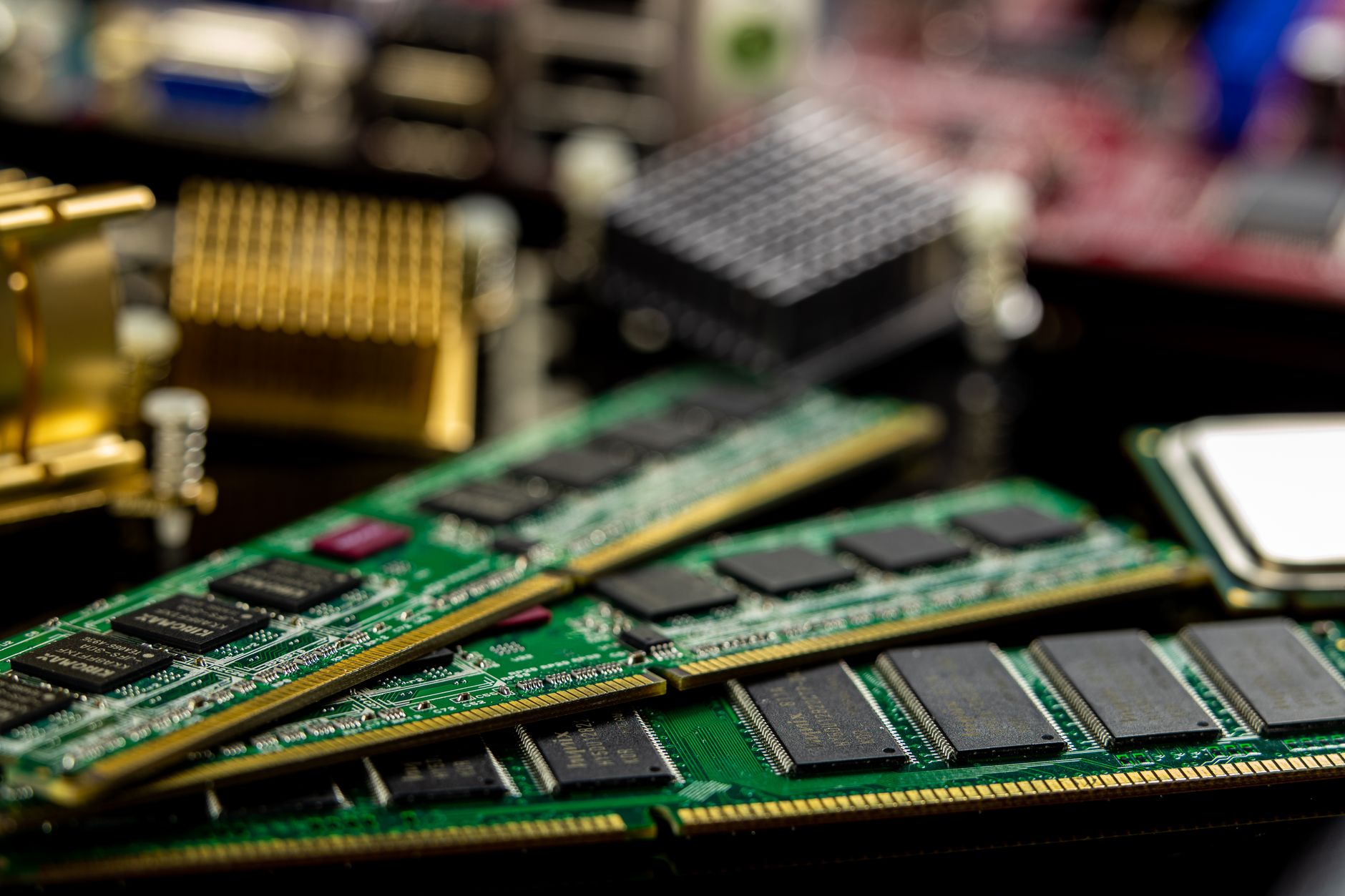
Best value picks on AliExpress
For those looking for competitive pricing or specific older generation cards that still offer great value, AliExpress can be a treasure trove. Be sure to check seller reviews and product descriptions carefully when considering these options.
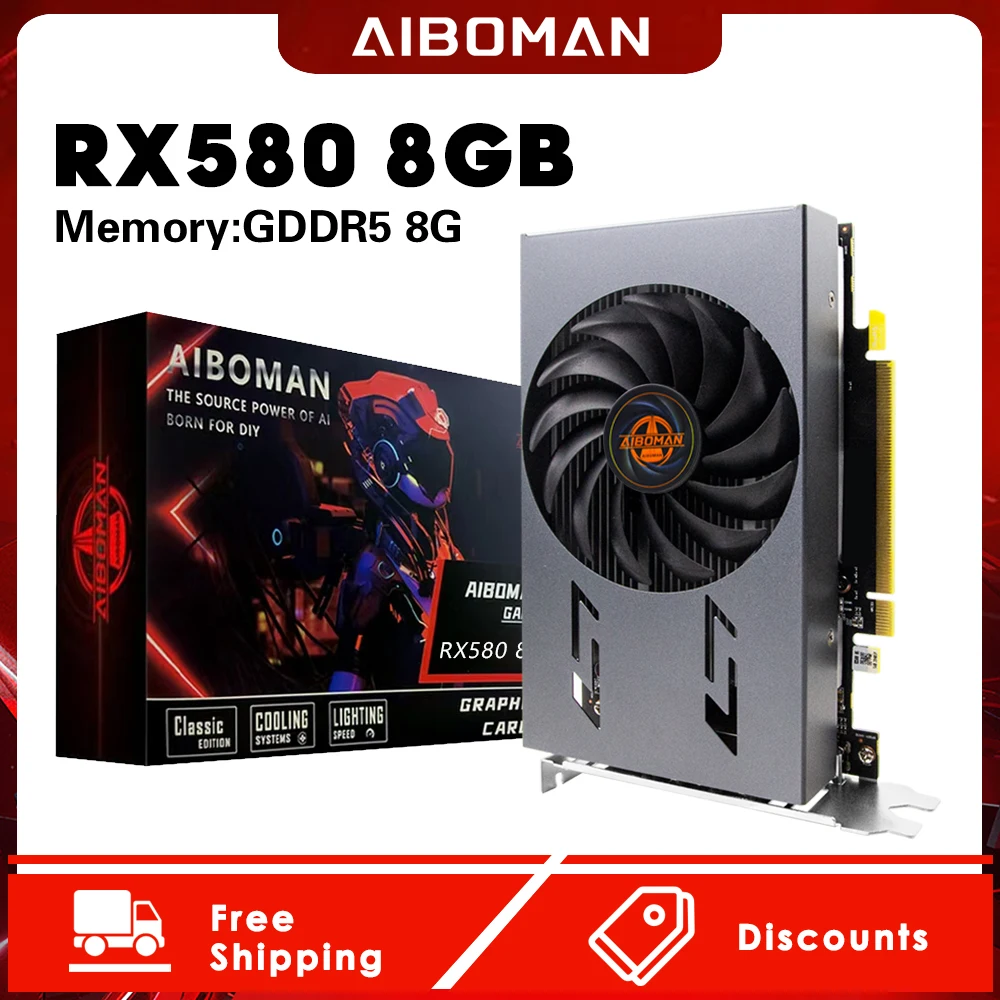
AIBOMAN RX580 8G Multi-Screen Graphics Card Supports simultaneous display of 6 screens Gam
$158.96 $331.16 on AliExpress
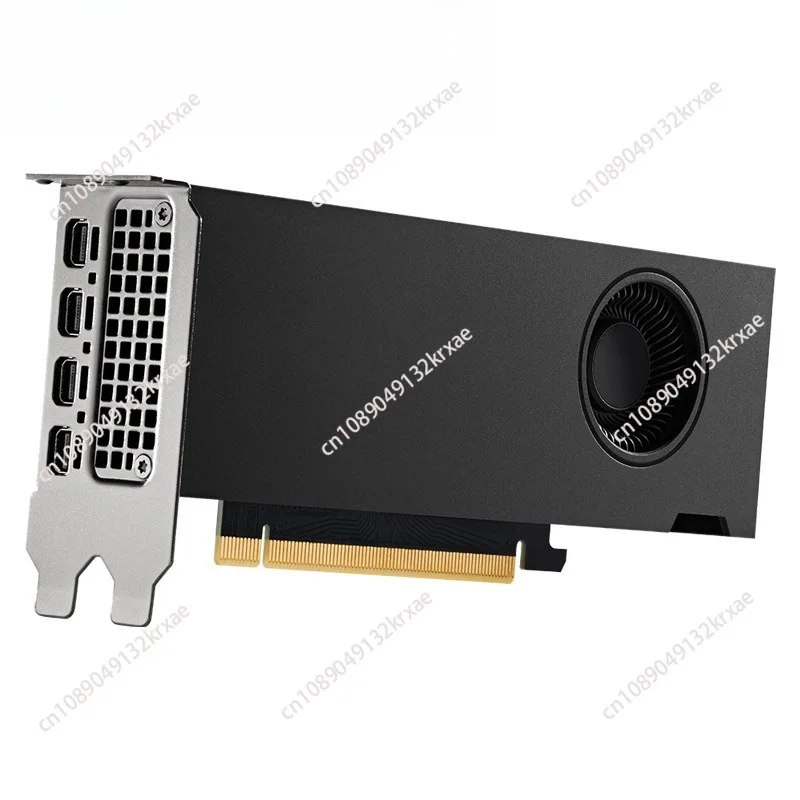
48GB RTX A6000, High-tech workstation graphics card 4 DP high-performance graphics card
$1290.97 $1317.32 on AliExpress
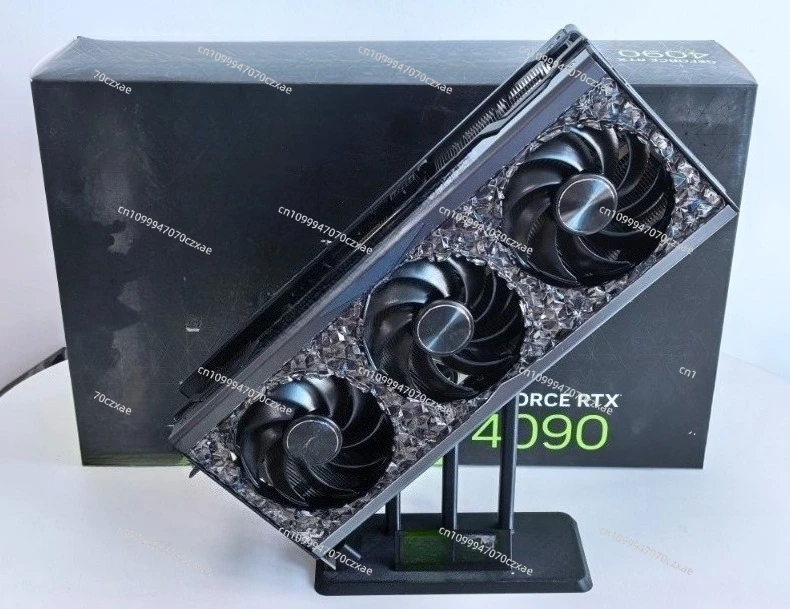
V100 GPU 32G Modified To 16G Brand New High Performance Graphics Card
$410.62 $554.89 on AliExpress
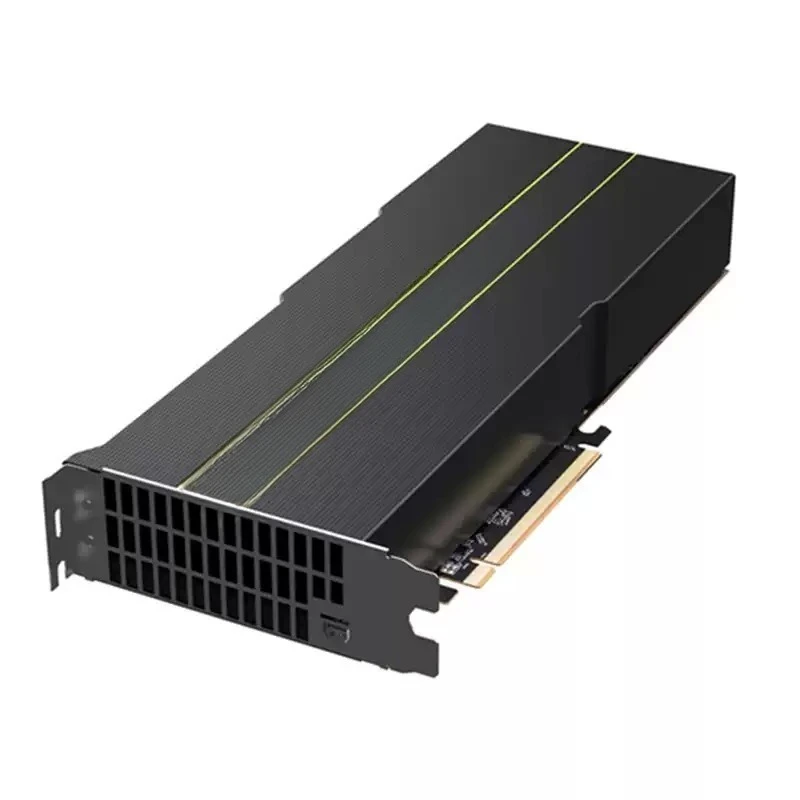
New MI50 32GB HBM2 Graphics Card Vega20 Chip Dual 8Pin Power Server Computing & Gaming GPU
$328.70 $657.40 on AliExpress
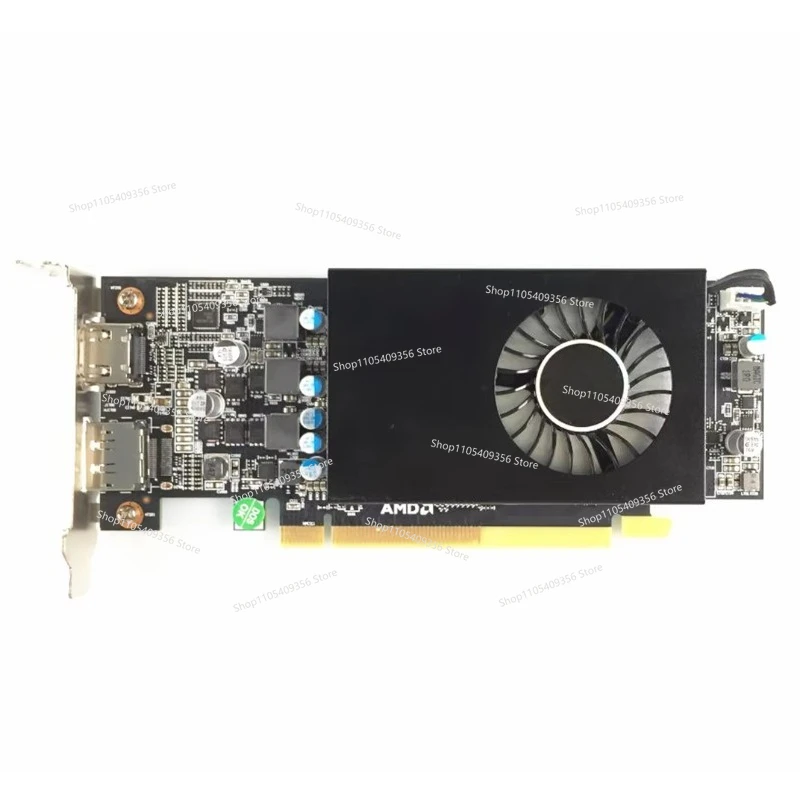
RX550 Video Graphics GPU for 128-bit PC Gaming with Low Power Graphics Card
$289.35 $578.71 on AliExpress
How to Choose the Best Graphics Cards for Your Rig in 2026
Selecting the ideal GPU can be daunting, but by considering a few key factors, you can narrow down your options and find the perfect match for your needs and budget. The market for best graphics cards is diverse, and understanding your priorities is essential.
- Resolution & Refresh Rate: This is perhaps the most critical factor. Are you aiming for 1080p, 1440p, or 4K gaming? Do you want a high refresh rate (e.g., 144Hz, 240Hz)? Higher resolutions and refresh rates demand more powerful GPUs. A 4K 144Hz monitor will require a top-tier card like the RTX 4090, while a 1440p 144Hz monitor might be perfectly served by an RTX 4070 SUPER or RX 7800 XT.
- Budget: Graphics cards can range from a few hundred dollars to well over a thousand. Define your budget early, as it will significantly influence your choices. Remember to factor in potential power supply upgrades if you’re stepping up to a much more powerful card.
- CPU Pairing (Avoiding Bottlenecks): A powerful GPU needs a capable CPU to feed it data. Pairing a high-end graphics card with an older or low-end CPU can lead to a ‘bottleneck,’ where the CPU limits the GPU’s performance. Aim for a balanced system where your CPU and GPU are well-matched.
- VRAM (Video Random Access Memory): VRAM is crucial for storing textures, models, and frame buffers. Modern games, especially at higher resolutions and with ray tracing enabled, demand significant VRAM. 12GB is a good baseline for 1440p in 2026, while 16GB or more is highly recommended for 4K and future-proofing.
- Ray Tracing & Upscaling Tech (DLSS/FSR): Ray tracing offers incredibly realistic lighting, shadows, and reflections, but it’s very demanding. NVIDIA’s RTX cards generally have superior ray tracing performance due to dedicated RT Cores. Both NVIDIA (DLSS) and AMD (FSR) offer upscaling technologies that use AI or spatial scaling to boost frame rates with minimal image quality loss, which can be a game-changer for performance.
- Power Supply & Case Size: High-performance GPUs consume a lot of power and can be physically large. Ensure your power supply unit (PSU) has enough wattage and the necessary PCIe power connectors. Also, double-check that your chosen graphics card will physically fit inside your PC case.
For a deeper dive into how GPUs function at a fundamental level, you can explore the Wikipedia article on Graphics Processing Units.
Frequently Asked Questions About Graphics Cards in 2026
What’s the difference between NVIDIA and AMD GPUs?
NVIDIA and AMD are the two primary manufacturers of discrete graphics cards. Generally, NVIDIA is often praised for its superior ray tracing performance and its proprietary DLSS (Deep Learning Super Sampling) upscaling technology, which uses AI to boost frame rates. AMD, on the other hand, is often competitive on raw rasterization performance (traditional rendering), typically offers more VRAM at similar price points, and uses its open-source FSR (FidelityFX Super Resolution) upscaling technology which is compatible with a wider range of GPUs. Both brands offer excellent performance, with your choice often coming down to specific feature preferences, budget, and ecosystem.
How much VRAM do I really need for gaming in 2026?
For 1080p gaming in 2026, 8GB of VRAM is generally sufficient, though 12GB offers more headroom. For 1440p, 12GB is a strong recommendation, and 16GB is ideal for maximum texture quality and future-proofing. If you’re targeting 4K resolution, especially with ray tracing enabled, 16GB is the minimum you should consider, with 20GB or 24GB being preferable for the most demanding titles and content creation tasks. Games are increasingly VRAM-hungry, so opting for more VRAM is a wise long-term investment.
Is ray tracing worth it for the best graphics cards?
Ray tracing significantly enhances visual fidelity by simulating how light behaves in the real world, leading to more realistic reflections, shadows, and global illumination. While it’s very demanding on hardware, the visual improvements can be stunning, particularly in games designed with ray tracing in mind. With the advent of advanced upscaling technologies like DLSS 3.5 and FSR 3.0, the performance hit from ray tracing is becoming more manageable. If you have a high-end GPU capable of handling it, and you value visual immersion, ray tracing is definitely worth experiencing in 2026.
Can I use an older CPU with a new GPU?
You can, but it’s generally not recommended for optimal performance. An older or less powerful CPU might create a ‘bottleneck,’ meaning it can’t process data fast enough to keep the new, powerful GPU fully utilized. This results in the GPU sitting idle part of the time, limiting your frame rates and overall system performance. For the best graphics cards to truly shine, they need to be paired with a reasonably modern and capable CPU. Always aim for a balanced system to get the most out of your components.
Conclusion
Choosing the best graphics card in 2026 is an investment in your digital future, whether it’s for gaming, creative work, or simply enjoying the latest visual experiences. From the absolute power of the RTX 4090 to the excellent value of the RX 7800 XT, there’s a fantastic option for every budget and performance target. By carefully considering your needs, understanding key specifications, and balancing your components, you can ensure your PC is ready to tackle the most demanding applications and games for years to come. Don’t forget to check out our other guides for building a balanced PC rig and finding the perfect DELL Thunderbolt Dock WD19TB to pair with your new GPU.