As an Amazon Associate and an AliExpress affiliate, TechGurl earns from qualifying purchases. Some links on this page are affiliate links — if you buy through them we may receive a commission, at no extra cost to you. This never affects which products we cover or what we say about them.
{“title”: “Why Your Mini PC Keeps Crashing or Restarting: Complete Fix Guide”, “seo_title”: “Mini PC Crashing: Why It Happens & How to Fix It in 2026: Solved”, “meta_description”: “Fix your mini PC crashing or restarting randomly. Learn the top causes like overheating, power issues, and driver conflicts with step-by-step solutions.”, “focus_keyword”: “mini pc crashing”, “category”: “How-To Guides”, “tags”: “mini pc troubleshooting, pc random restart, overheating fix, power supply issues, driver conflicts, windows stability, hardware diagnostics”, “featured_query”: “mini computer repair”, “img1_query”: “mini pc overheating”, “img1_alt”: “Thermal view showing mini pc crashing due to overheating components”, “img2_query”: “computer power supply testing”, “img2_alt”: “Technician testing power supply to diagnose mini pc crashing”, “img3_query”: “”, “img3_alt”: “”, “ae1_query”: “usb power meter tester”, “ae2_query”: “precision screwdriver set electronics”, “ae3_query”: “”, “ae4_query”: “”, “ae5_query”: “”, “ae_minprice”: “20”, “content_html”: “
Disclosure: This article contains affiliate links. If you buy through them we may earn a small commission at no extra cost to you.
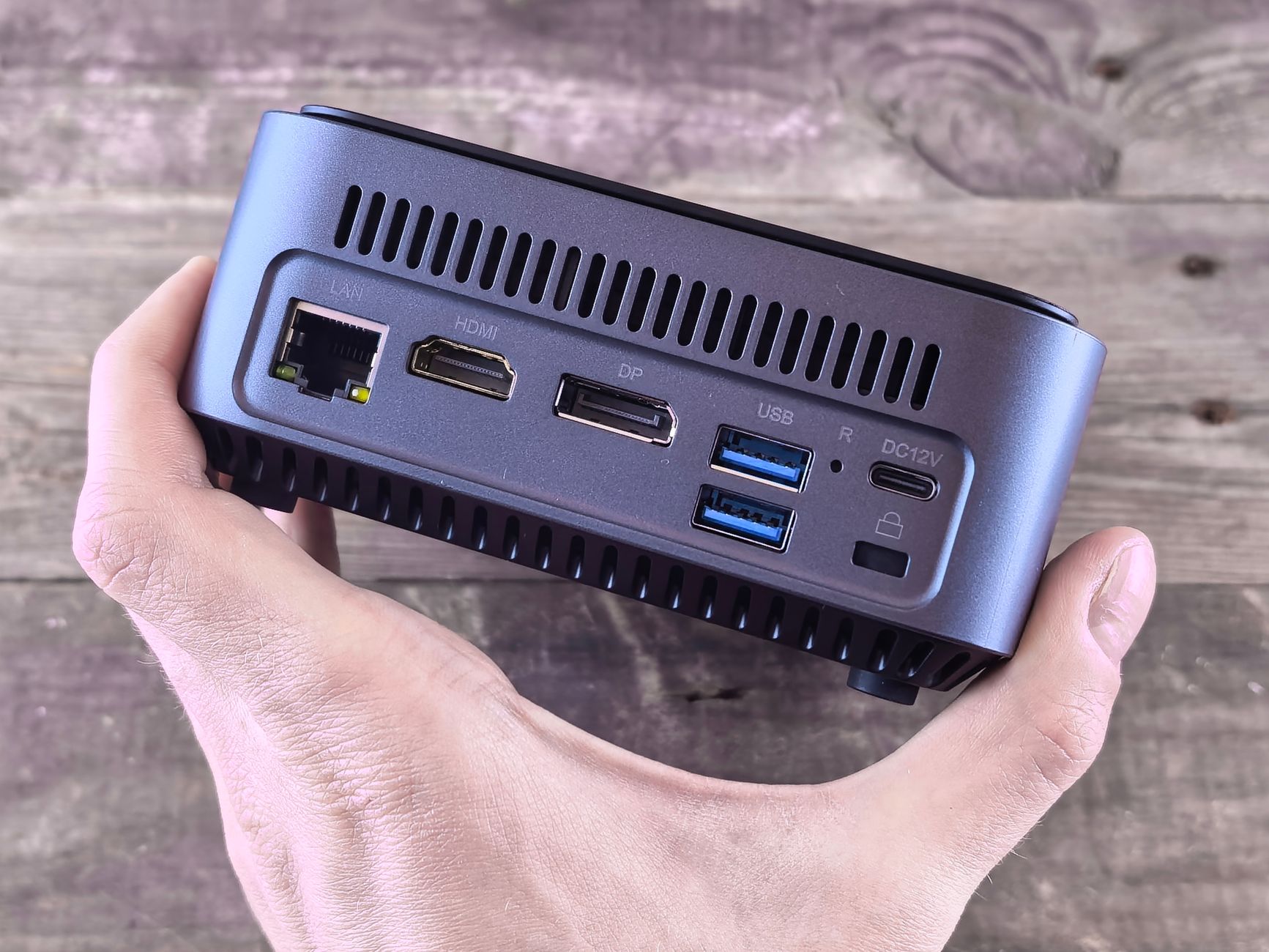
If you are dealing with mini pc crashing or unexpected restarts, you know how frustrating it is to lose work mid-task or watch a media stream die without warning. These compact systems pack desktop-class components into tiny chassis, which creates unique thermal, power-delivery, and firmware challenges that full-size towers rarely face. This guide walks you through the most common root causes — overheating, inadequate power, driver conflicts, failing storage, and BIOS quirks — and gives you a repeatable diagnostic workflow you can follow even if you have never opened a PC case before.
Why Mini PC Crashing Happens: The Core Culprits
Thermal throttling and emergency shutdowns
Mini PCs rely on small heatsinks and low-profile fans. When dust clogs the intake or the thermal paste dries out, CPU package temperatures can spike past 100 °C in seconds. Modern x86 processors (Intel Core i5/i7 U/H series, AMD Ryzen 4000-7000 mobile) are designed to throttle first, but if the firmware thermal trip point is reached — typically 105 °C — the system cuts power instantly to protect the silicon. You will see no Blue Screen of Death, just a hard power-off followed by an automatic restart once the chassis cools slightly.
Under-powered or noisy AC adapters
Most mini PCs ship with 65 W or 90 W 19 V barrel-jack adapters. Under sustained load (compiling code, gaming, video export) the CPU + GPU package power can exceed the brick’s rating, causing voltage droop. The motherboard’s VRM controllers detect the sag and trigger a reset. Cheap third-party replacements often have poor ripple suppression, which destabilizes the 3.3 V and 5 V rails even when the 19 V input looks fine on a multimeter.
Driver and firmware conflicts
Windows Update frequently pushes newer graphics, chipset, or storage drivers that clash with the OEM’s validated stack. A classic example is the Intel Iris Xe graphics driver overriding the manufacturer’s custom power tables, causing the GPU to request voltage states the embedded controller cannot satisfy. Similarly, NVMe firmware bugs (such as the Samsung 980 Pro 2B2QEXM7 / 3B2QGXA7 idle-power-state issue) can make the drive disappear from the PCIe bus, forcing a kernel panic or watchdog reset.
Failing storage or memory
A marginal NVMe SSD with bad NAND blocks or a flaky DRAM-less controller can return corrupted data during page-file operations, resulting in CRITICAL_PROCESS_DIED or KERNEL_DATA_INPAGE_ERROR bugchecks. Single-channel soldered RAM with a single-bit error will pass a quick POST but fail under sustained memory pressure, producing random reboots without minidumps.
Step-by-Step Diagnostic Workflow
Step 1: Capture the evidence
- Open Event Viewer → Windows Logs → System. Filter for Critical and Error events from sources
Kernel-Power,BugCheck, andWHEA-Logger. - If a
BugCheckexists, note theBugCheckCode(e.g., 0x124 = WHEA uncorrectable hardware error, 0x9F = DRIVER_POWER_STATE_FAILURE). - Enable automatic memory dumps: System Properties → Advanced → Startup and Recovery → Settings → Automatic memory dump. Ensure the page file on C: is at least 2 GB larger than installed RAM.
Step 2: Stress-test thermals
- Install HWiNFO64 (portable version works). Run Sensors-only mode.
- Launch Cinebench 2024 or OCCT (free edition) and run a 10-minute CPU stress test while logging CSV output.
- Watch CPU Package Temperature, CPU IA Core Power, and Throttling flags. If Thermal Throttling = Yes or package temp ≥ 100 °C, you have a cooling problem.
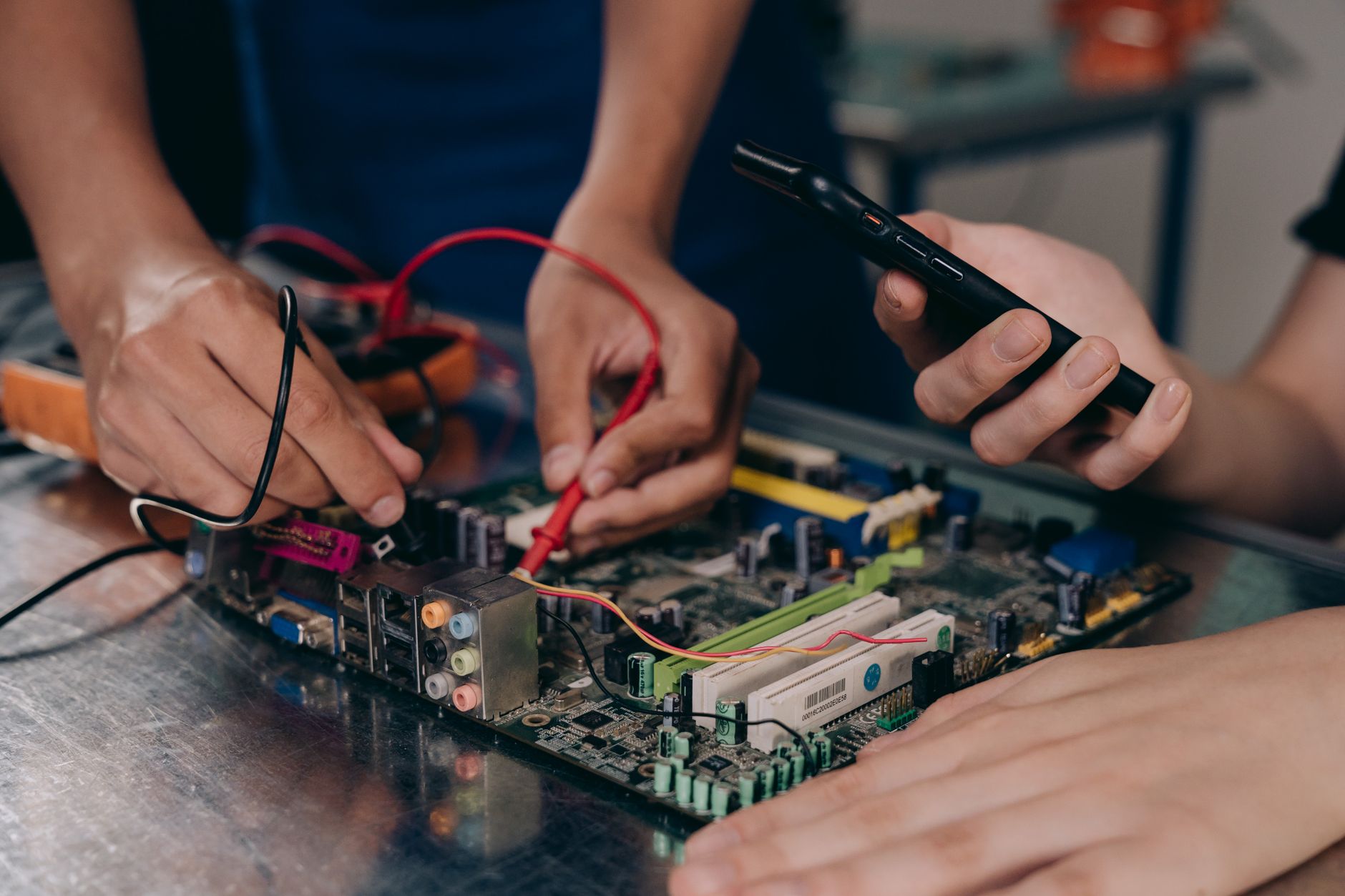
Step 3: Verify power delivery
- Plug a USB-C PD trigger board or inline USB power meter between the barrel jack and the DC-in port (many modern mini PCs also accept 20 V / 5 A via USB-C).
- Run the same Cinebench load and confirm voltage stays within ±5 % of nominal (19 V ± 0.95 V or 20 V ± 1 V) and current does not exceed the adapter’s rated amperage.
- If voltage sags > 5 %, replace the adapter with an OEM unit or a reputable 100 W+ GaN brick (e.g., Anker 737 GaNPrime 120 W).
Anker 737 GaNPrime 120 W Charger — check today’s price
Step 4: Update firmware and drivers in the right order
- Visit the manufacturer’s support page (not Windows Update). Download the latest BIOS/UEFI, Chipset Driver, Intel/AMD Graphics Driver, and NVMe Firmware Tool.
- Flash BIOS first (AC power only, battery > 30 % if laptop-style). Clear CMOS afterward (jumper or battery pull for 30 s).
- Install chipset driver, then graphics driver using Clean Installation option.
- Run the SSD vendor’s firmware updater (Samsung Magician, WD Dashboard, Crucial Storage Executive).
Step 5: Test memory and storage integrity
- Create a MemTest86 Free USB stick (PassMark). Boot and run 4 passes. Any errors = replace SODIMM or RMA board if soldered.
- Run CrystalDiskInfo → check Health Status and Reallocated Sectors Count. Run Chkdsk /r on the OS drive.
- If the drive is DRAM-less (e.g., WD Blue SN570, Crucial P3), disable Link Power Management in Windows Power Options → PCI Express → Link State Power Management = Off.
Common Mistakes to Avoid
- Blowing compressed air into the exhaust vent — this packs dust deeper into the heatsink fins. Always blow out through the intake after removing the bottom cover.
- Using a 65 W adapter on a 90 W-rated system because the barrel fits. The plug geometry is often shared across wattages.
- Installing generic Intel/AMD graphics drivers over OEM-tuned ones without a clean install, leaving stale registry keys that cause TDR (Timeout Detection and Recovery) resets.
- Ignoring BIOS release notes — vendors often list \”Improves system stability under heavy load\” without detailing the exact microcode or EC fixes.
Handy tools on AliExpress
These inexpensive tools make the voltage and disassembly steps much easier:
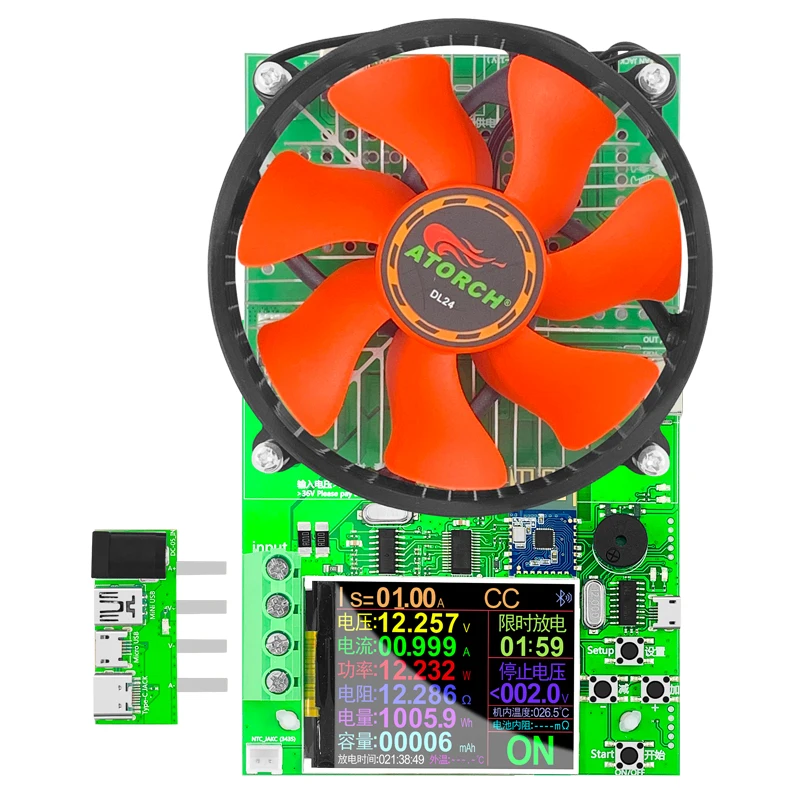
DL24 150W 2.4" DC USB Tester Electronic Load 18650 Car Battery Capacity Monitor Discharge
$34.27 $54.40 on AliExpress
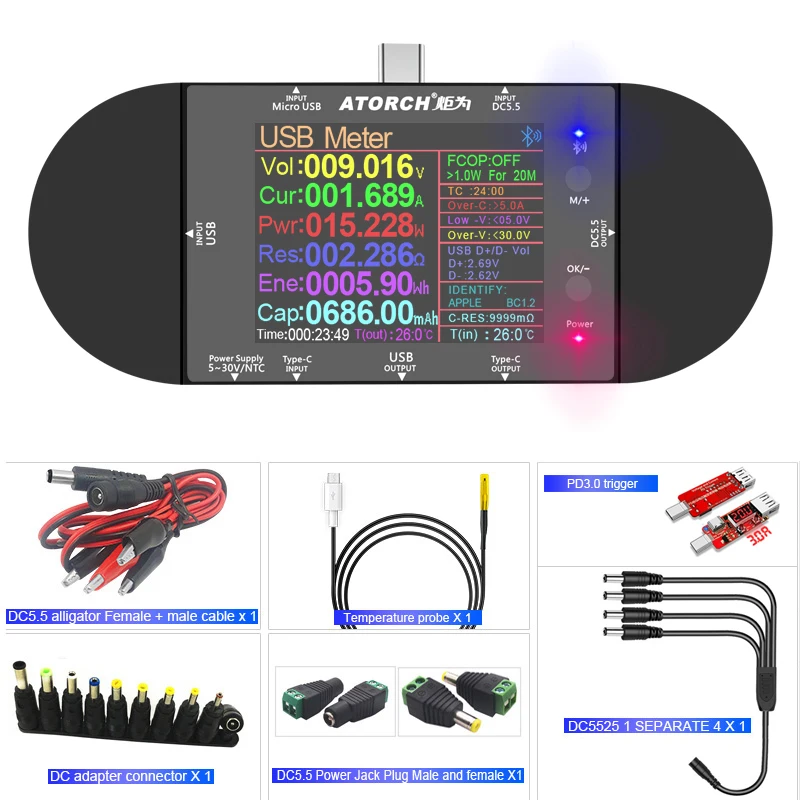
UD24 2.4"inch USB tester DC5.5 Type-C digital voltmeter ammeter power bank voltage detecto
$25.97 $54.11 on AliExpress
Frequently Asked Questions
Why does my mini PC only crash when I plug in a USB-C monitor?
USB-C Alt Mode negotiates 5 V / 3 A or 20 V / 5 A for the display. If your PD controller firmware is buggy, the sudden rail transition can brown-out the 3.3 V SoC rail. Update the BIOS/EC firmware and try a monitor with its own power adapter instead of bus power.
Can a bad CMOS battery cause random restarts?
On mini PCs with a CR2032 coin cell, a dead battery resets BIOS settings (including fan curves and power limits) on every cold boot. This can set the CPU PL1/PL2 limits to defaults that exceed the cooler’s capacity, triggering thermal trips. Replace the cell — it costs pennies.
Should I undervolt the CPU to stop crashes?
Undervolting (via Intel XTU, ThrottleStop, or AMD Curve Optimizer in BIOS) reduces heat and power draw, often eliminating throttling-induced shutdowns. Apply in small increments (-10 mV steps) and stress-test after each change. Stability first, temperature second.
How do I know if the motherboard itself is defective?
If you have swapped the adapter, repasted the CPU, run MemTest86 clean, updated every firmware, and the system still crashes with WHEA_UNCORRECTABLE_ERROR (0x124) pointing to Processor or PCIe Root Port, the VRM or PCH may have a solder-joint fracture. At that point, contact the vendor for RMA — board-level repair is rarely economical on sub-$300 units.
Conclusion
Mini PC crashing almost always traces back to heat, power, or firmware — three variables you can measure and fix with basic tools and patience. Start with Event Viewer and a thermal log, verify your adapter under load, then march through the firmware stack in the correct order. Most systems stabilize after a BIOS update, a fresh OEM graphics driver, and a thorough dust-out. If you hit a wall, Why Calories Change & Logins Fail: Fix Myfitnesspal Glitches our community forum has model-specific threads where owners share exact BIOS settings and adapter part numbers that worked for them.
Microsoft Bug Check Code Reference“}