As an Amazon Associate and an AliExpress affiliate, TechGurl earns from qualifying purchases. Some links on this page are affiliate links — if you buy through them we may receive a commission, at no extra cost to you. This never affects which products we cover or what we say about them.
Disclosure: This article contains affiliate links. If you buy through them we may earn a small commission at no extra cost to you.

Choosing between a gaming chair vs office chair comes down to how you prioritize posture support, adjustability, and aesthetics for long hours at a desk. Both categories promise comfort, but they achieve it through fundamentally different design philosophies. Gaming chairs borrow racing-seat styling with deep bolsters, tall backrests, and bold colors, while office chairs focus on task-oriented ergonomics, breathable mesh, and subtle professional looks. Understanding these differences helps you invest in a seat that protects your back and fits your workflow.
Gaming Chair Vs Office Chair: Design Philosophy and Aesthetics
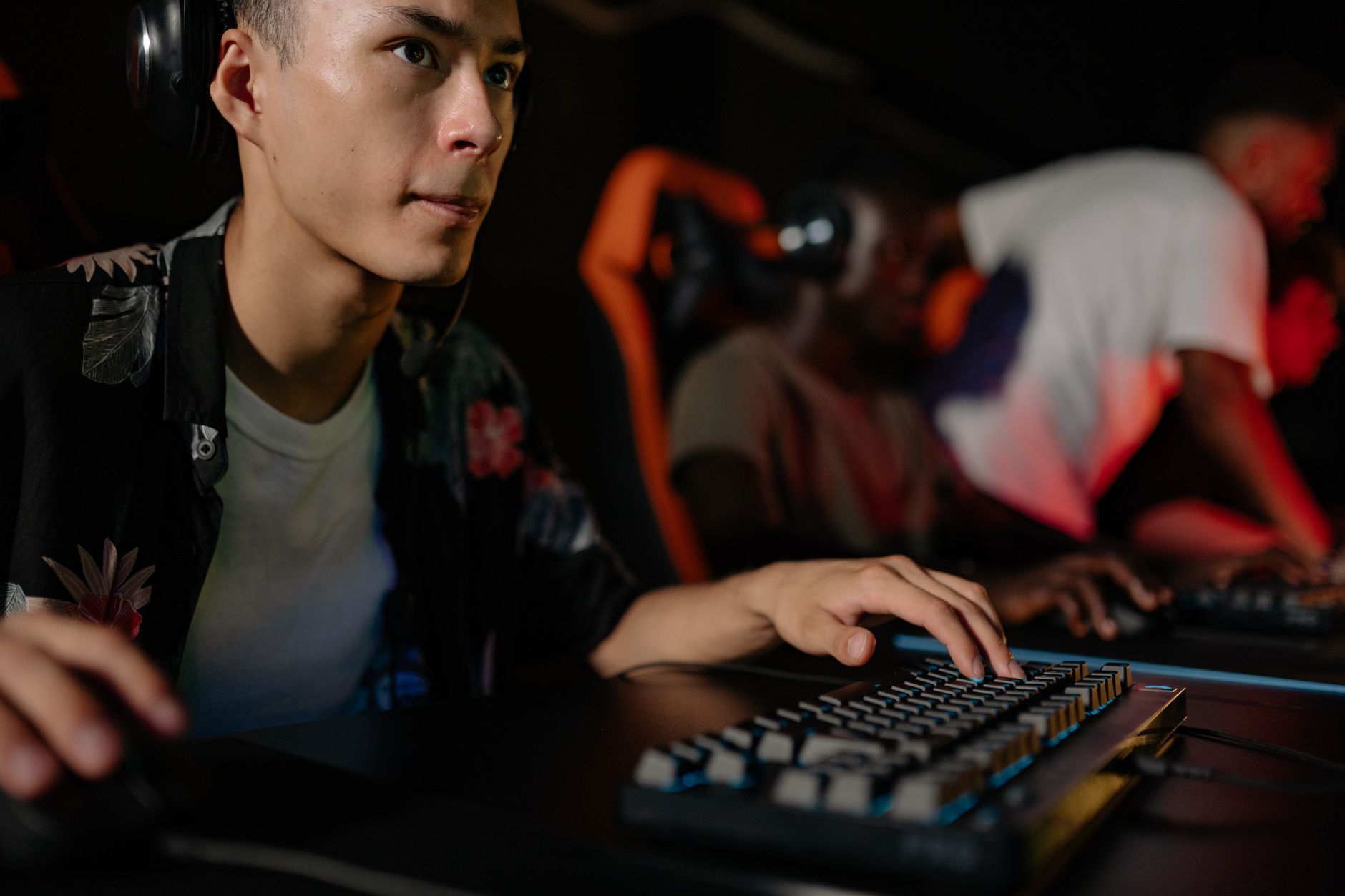
Gaming chairs typically feature a bucket-seat silhouette inspired by motorsport. High side bolsters hug the hips and shoulders, a tall backrest supports the full spine up to the head, and a detachable lumbar pillow plus neck pillow are standard. The visual language leans aggressive: PVC leather or fabric in high-contrast stitching, RGB accents on some models, and a recline range that often reaches 180 degrees for “nap mode.” Office chairs, by contrast, prioritize a clean silhouette that blends into corporate or home-office environments. Mesh backs dominate the mid-to-high end because they dissipate heat and conform to the user’s spine without pressure points. Adjustments are engineered for task work—forward seat tilt, synchro-tilt tension, and multi-dimensional lumbar systems—rather than deep recline.
Ergonomics and Adjustability
Lumbar Support
In the gaming chair vs office chair debate, lumbar implementation is the sharpest differentiator. Most gaming chairs ship with a removable foam or memory-foam pillow that straps over the backrest. It can be positioned vertically, but depth and firmness are fixed. Office chairs in the $300–$600 range (e.g., Branch Ergonomic Chair, Steelcase Series 1) often integrate adjustable lumbar sliders or air bladders that move up/down and in/out, letting you match the curve of your lordosis precisely. High-end task chairs like the Herman Miller Aeron use a PostureFit SL system that supports both the sacrum and lumbar regions simultaneously, a design validated by decades of seating research.
Seat Depth and Pan Design
Gaming chairs usually have a deep, flat seat pan (often 20–22 inches) with pronounced side wings. This suits broader users but can press behind the knees of shorter people, cutting circulation. Office chairs frequently offer seat-depth adjustment via a sliding mechanism (2–3 inches of travel) and a waterfall front edge that reduces thigh pressure. The Branch Verve and Steelcase Gesture both provide this flexibility, which BIFMA G1 guidelines recommend for multi-user environments.
Armrest Adjustability
4D armrests (height, width, depth, pivot) are now common on gaming chairs above $250 (Secretlab Titan Evo, Noblechairs Hero). Office chairs match or exceed this: the Steelcase Series 1 offers 4D arms as an option, while the Humanscale Freedom uses weight-sensitive recline linked to armrests that move with you. For keyboard-and-mouse work, the ability to slide arms inward to shoulder width is critical; both categories deliver it, but office chairs often integrate the armrest structure into the backrest frame for stiffer support.
Recline and Tilt Mechanisms
Gaming chairs almost universally use a center-tilt or knee-tilt mechanism with a lever-activated lock at any angle up to 180°. This is great for controller gaming or media consumption but places the pivot point near the seat center, lifting the feet off the floor at steep angles. Office chairs favor synchro-tilt (2:1 back-to-seat ratio) or weight-activated recline (Humanscale, Liberty) that keeps feet planted and encourages micro-movements. According to Steelcase’s published white papers, synchro-tilt reduces spinal disc pressure compared to fixed or center-tilt designs during prolonged recline.
Materials and Breathability
PVC leather (PU leather) covers most sub-$400 gaming chairs. It looks premium initially but traps heat and can peel after 2–3 years of daily use. Upgraded models (Secretlab SoftWeave, Noblechairs Epic Real Leather) switch to fabric or genuine leather for better thermals. Office chairs lean heavily on mesh—polyester or elastomeric—which passes air freely. The Herman Miller Aeron’s 8Z Pellicle mesh and the Branch Verve’s knit mesh are engineered for zoned tension, distributing weight without hammocking. If you sit in a warm room or tend to overheat, mesh is objectively cooler; multiple independent reviewers at RTINGS and Tom’s Hardware confirm lower skin-surface temperatures on mesh backs versus PU leather after 60-minute sessions.
Build Quality, Warranty, and Longevity
Frame construction separates budget from premium in both categories. Gaming chairs under $200 often use plywood seat bases and Class-2 gas lifts rated for 100–120 kg. Mid-tier ($300–$500) moves to steel frames, Class-4 lifts (150 kg+), and aluminum bases. Office chairs follow a similar tiering: Steelcase Series 1 carries a 12-year warranty on frame and mechanical parts; Herman Miller Aeron offers 12 years with 3-shift coverage. Gaming chair warranties are typically 2–5 years (Secretlab 5 years, Noblechairs 2 years extendable to 5). Longer warranties on task chairs reflect corporate procurement standards and BIFMA 5.1 testing cycles that simulate 10+ years of 40-hour weeks.
Specification Comparison Table
| Specification | Secretlab Titan Evo 2022 (Gaming) | Branch Ergonomic Chair (Office) |
|---|---|---|
| Backrest Height | 33.5 in (85 cm) | 25.5 in (65 cm) |
| Seat Width (internal) | 20.5 in (52 cm) | 20 in (51 cm) |
| Seat Depth Adjustment | Fixed (20.5 in) | 2.5 in slide (17.5–20 in) |
| Lumbar System | 4-way adjustable internal + memory foam pillow | Height-adjustable lumbar slider (3 in range) |
| Recline Range | 85°–165° (lockable) | 90°–130° synchro-tilt |
| Armrests | 4D (height, width, depth, pivot) | 4D optional (height, width, depth, pivot) |
| Upholstery Options | NEO Hybrid Leatherette, SoftWeave Fabric, NAPA Leather | Knit Mesh back, Fabric or Leather seat |
| Gas Lift Class | Class 4 (up to 180 kg / 395 lb) | Class 4 (up to 127 kg / 280 lb) |
| Base Material | Aluminum (70 cm diameter) | Reinforced Nylon (optional Aluminum) |
| Warranty | 5 years | 10 years (frame/mechanical), 5 years (fabric/foam) |
| Typical Price (USD) | $484–$629 | $329–$449 |
Real-World Use Cases
Competitive Gaming and Streaming
If you stream for 6–8 hours and want a “throne” aesthetic that reads well on camera, a gaming chair’s tall backrest and pillow support the upper traps and neck during breaks. The deep recline lets you reset between matches. Secretlab’s magnetic head pillow stays put during enthusiastic reactions.
All-Day Knowledge Work
For coding, writing, or spreadsheet marathons, an office chair’s synchro-tilt encourages active sitting. The Branch Ergonomic Chair’s seat-depth slider accommodates both 5’4″ and 6’2″ users in a shared home office. Mesh back prevents the “sticky back” feeling after lunch. According to Branch’s published specs, the chair passes BIFMA 5.1 durability tests at 280 lb capacity.
Mixed Use (Gaming + Work)
Hybrid users often prefer a gaming chair with fabric upholstery (SoftWeave, DuraWeave) for breathability, plus 4D arms that clear a desk edge. The Titan Evo’s internal 4-way lumbar adjusts without removing the pillow—a convenience over strap-on designs. However, the fixed seat depth may still challenge shorter torsos.
1. Secretlab Titan Evo 2022 Series
The Titan Evo 2022 refines Secretlab’s flagship with a magnetic head pillow, 4-way internal lumbar (up/down, in/out via dials), and three upholstery tiers. The NEO Hybrid Leatherette resists abrasion better than older PU; SoftWeave Plus fabric adds airflow. Class-4 hydraulics and a 70 cm aluminum base feel rock-solid. At 56 lb assembled, it’s heavy—plan for two-person unboxing. The fixed 20.5-inch seat depth suits 5’9″–6’3″ best; shorter users report knee pressure.
Secretlab Titan Evo 2022 Series — check today’s price
2. Branch Ergonomic Chair
Branch’s direct-to-consumer task chair delivers office-grade ergonomics at a mid-market price. The knit mesh back has eight tension zones; the seat-depth slider (2.5 in) and height-adjustable lumbar cover the 5th–95th percentile. Optional 4D arms and aluminum base keep the config under $450. Assembly takes 15 minutes with pre-installed bolts. The 10-year mechanical warranty beats most gaming chairs. Some users find the mesh seat firmer than foam after 4+ hours; a seat cushion mitigates this.
Branch Ergonomic Chair — check today’s price
Related picks on AliExpress
If you’re exploring budget-friendly alternatives that still cover core ergonomic features, these AliExpress searches surface complete chairs—not accessories—in the same categories discussed above.
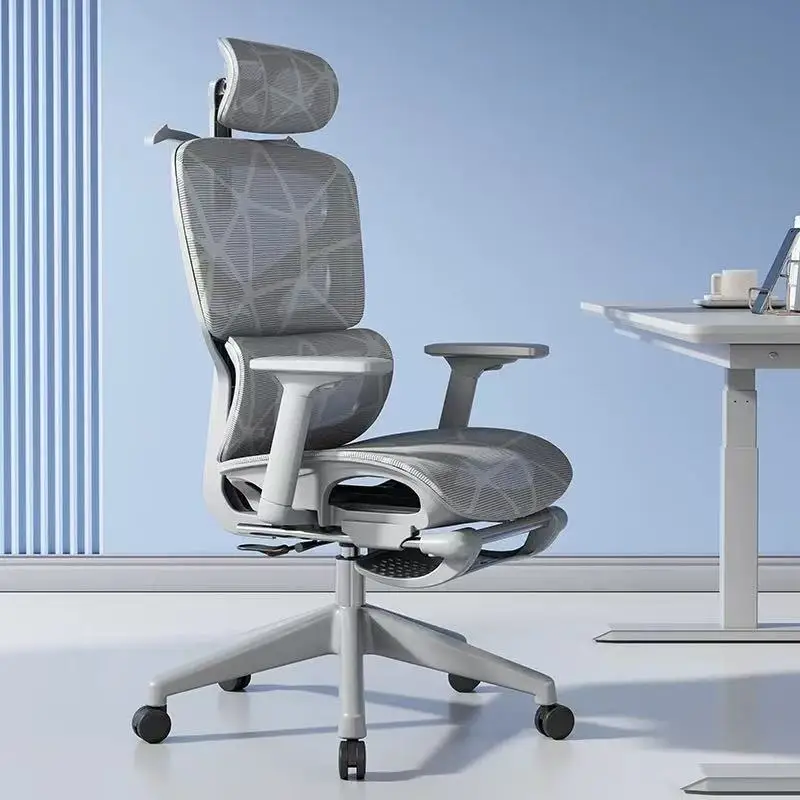
Adjustable Ergonomic Mesh Office Chair, Breathable High Back Computer Desk Chair with 6D L
$228.57 $486.32 on AliExpress
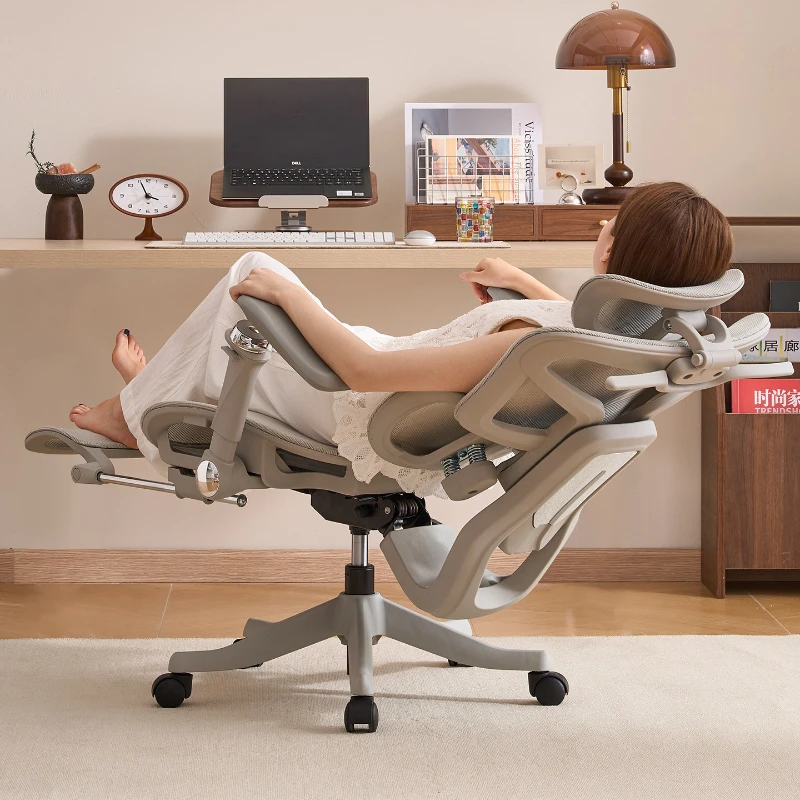
Esports Ergonomic Lift Chair Bedroom 6D Armrest Lumbar Support Computer Chair Household Co
$497.88 $995.77 on AliExpress
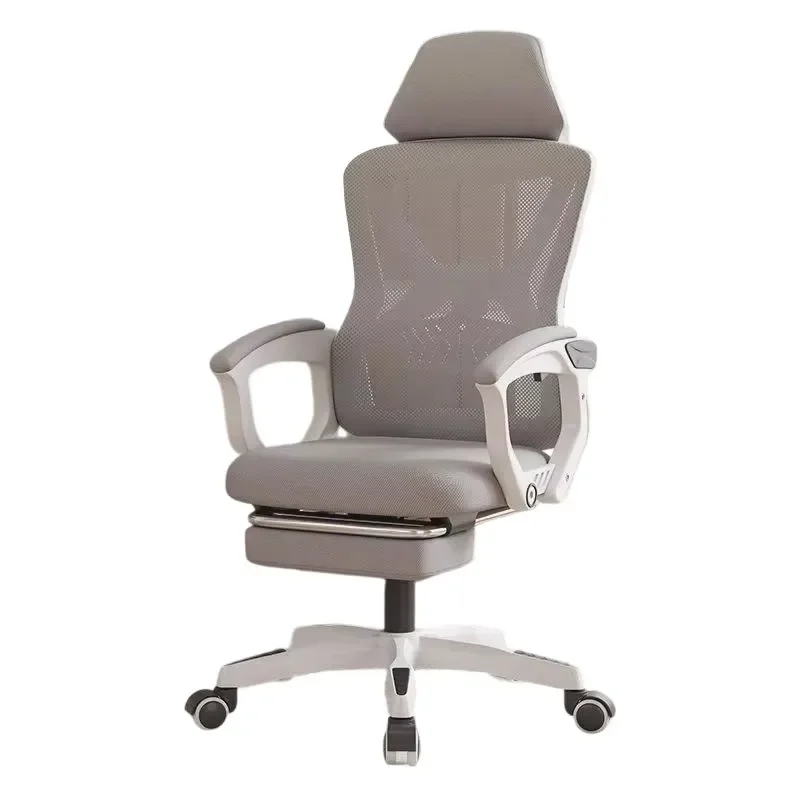
Modern Ergonomic Office Chair Rotatable Computer Seat with Mesh Back PVC Armrest Soft Cush
$289.40 on AliExpress
Which One Should You Buy?
Choose a gaming chair if you value reclined relaxation, a bold aesthetic, and integrated head/neck support for media or controller sessions. Choose an office chair if you prioritize active posture, breathable mesh, seat-depth adjustment for multiple users, and a warranty backed by corporate-grade testing. For a single-user setup where gaming and work overlap, a fabric-upholstered gaming chair with 4D arms bridges the gap—just verify seat depth fits your leg length.
FAQ
Are gaming chairs bad for your back?
Not inherently. A well-built gaming chair with adjustable lumbar (like the Titan Evo’s 4-way system) can support neutral spine alignment. The risk comes from fixed seat depth, non-breathable materials encouraging slouching from heat, and deep recline angles that promote forward-head posture when returning to desk work.
Can I use an office chair for gaming?
Absolutely. Many esports pros use task chairs (Herman Miller Embody, Steelcase Leap) because synchro-tilt keeps them upright during high-APM play. You lose the “nap” recline and neck pillow, but gain all-day cooling and precise lumbar tuning.
How long should a good chair last?
Office chairs with 10–12 year warranties (Steelcase, Herman Miller, Branch) are designed for 40-hour weeks over a decade. Gaming chairs typically warranty 2–5 years; real-world lifespan of foam and PU leather is often 3–5 years before sagging or peeling. Fabric gaming chairs extend that to 5–7 years.
Do I need a headrest?
If you recline frequently or have neck issues, yes. Gaming chairs include them standard. Most office chairs offer headrests as a $50–$100 add-on (Branch, Steelcase Series 1). Mesh headrests stay cooler than foam pillows.
Conclusion
The gaming chair vs office chair decision ultimately reflects how you sit, not just what you play. Test seat depth and lumbar feel before committing—many direct brands offer 30-day trials. For deeper dives on specific models, check our Projector vs. TV: Which Big Screen Display Should You Buy? chair roundups. Invest in the chair that keeps you moving, cool, and supported through your longest sessions.
Steelcase seating ergonomics research
Further reading
For background and full specifications, see Gaming chair on Wikipedia.