As an Amazon Associate and an AliExpress affiliate, TechGurl earns from qualifying purchases. Some links on this page are affiliate links — if you buy through them we may receive a commission, at no extra cost to you. This never affects which products we cover or what we say about them.
Thinking about a ThinkPad T490 RAM upgrade? Here’s what to know before you buy a module, plus our full hands-on review of the machine itself.
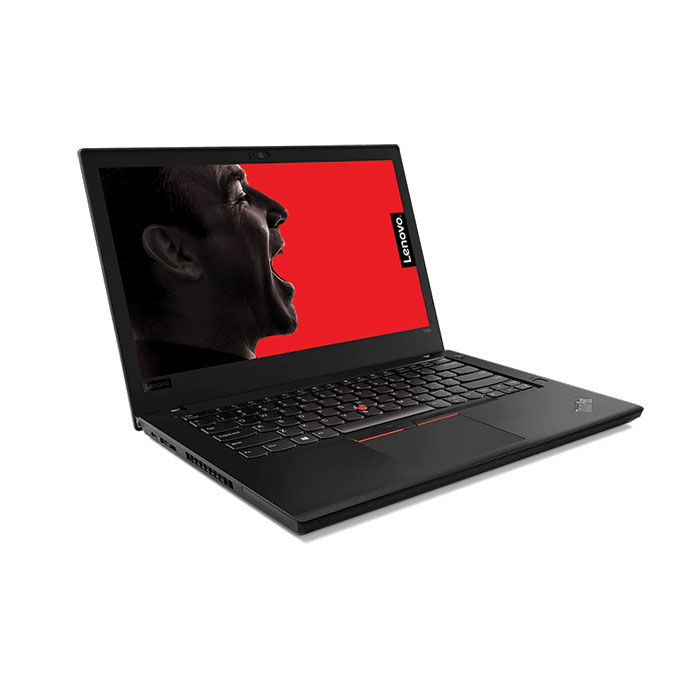
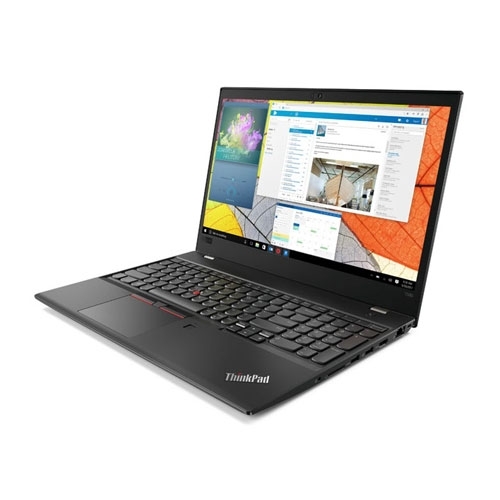
The Lenovo ThinkPad T490 is an excellent business laptop with or without an NVIDIA GPU. The model without an NVIDIA chip is slightly better than the technically more capable ThinkPad T490 in some areas, which pushes its overall rating up to 91% from the 90% that we gave to its MX250-equipped sibling.
Among other things, our review unit has better battery life than the ThinkPad T490 with a dedicated GPU. The former runs cooler than the latter too and does not suffer from the same annoying speaker noise that plagued our first test device. Lenovo largely eliminated this with a BIOS update, so it should not affect any ThinkPad T490 SKU going forwards.

Additionally, the Intel version of the T490 does not throttle when stress tested on account of its nominally weaker CPU too. The other highlights of the first T490 that we tested remain as well, like the robust and lightweight case, the fantastic input devices along with the bright and colour-accurate display. We are also fans of the versatile selection of ports and above-average CPU performance.
](https://1pc.co.il/components/img.aspx?img=imageslenovo-laptop-thinkpad-t490-feature-01[1](1).jpg&width=800&height=543 "ThinkPad T490 RAM UPGRADE! 3")
Both models suffer from largely the same drawbacks though. The low-power screen has poor response times, while the inclusion of only a microSD card reader rather than a full-sized one seems like a missed opportunity. Likewise, while we like that Lenovo has included a Thunderbolt 3 port, we cannot understand why the company only allows it to utilise two lanes of PCIe. Moreover, disassembling and re-assembling the case is a pain, and the lack of Power Bridge functionality makes the T490 less flexible than its predecessors.
Cooler and more enduring: The Intel GPU variant of the Lenovo ThinkPad T490 is better than its NVIDIA GPU sibling in some areas and is a fantastic business laptop.
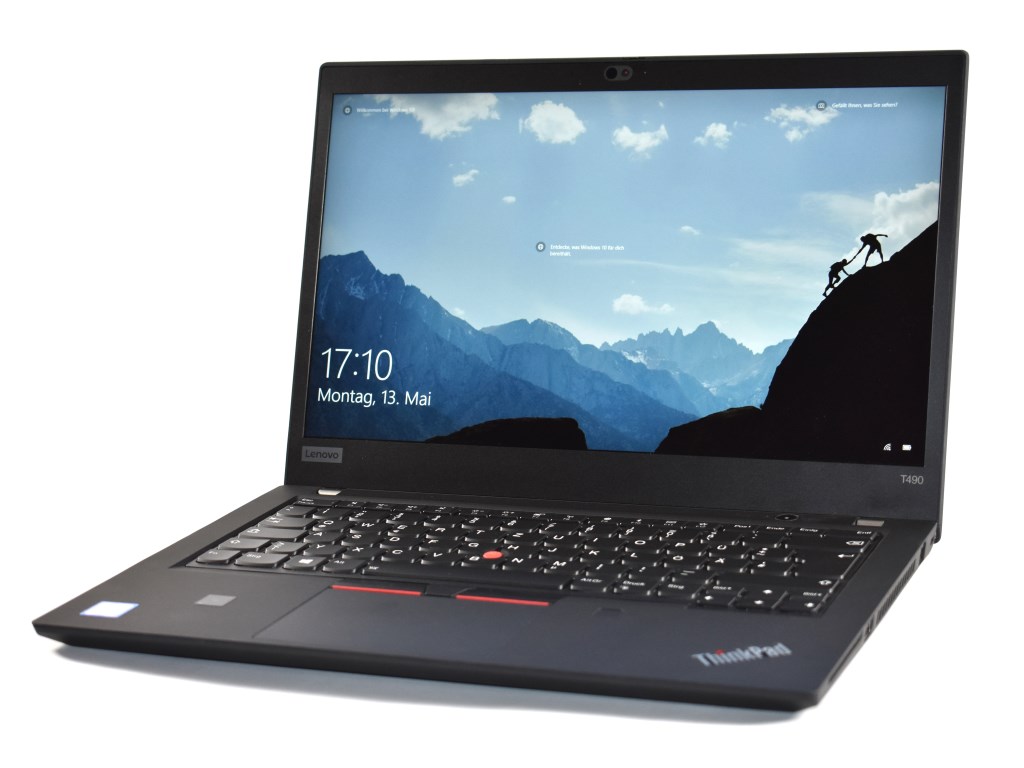
Overall, the T490 with only an Intel GPU should be more than enough for people who do not need the added graphics capabilities that the GeForce MX250 brings. If you occasionally like to game after work or need a laptop on which you can process video edits, then the T490 with an NVIDIA GPU would be a better choice in our opinion.
techgurl
ThinkPad T490 RAM Upgrade: What You Need to Know
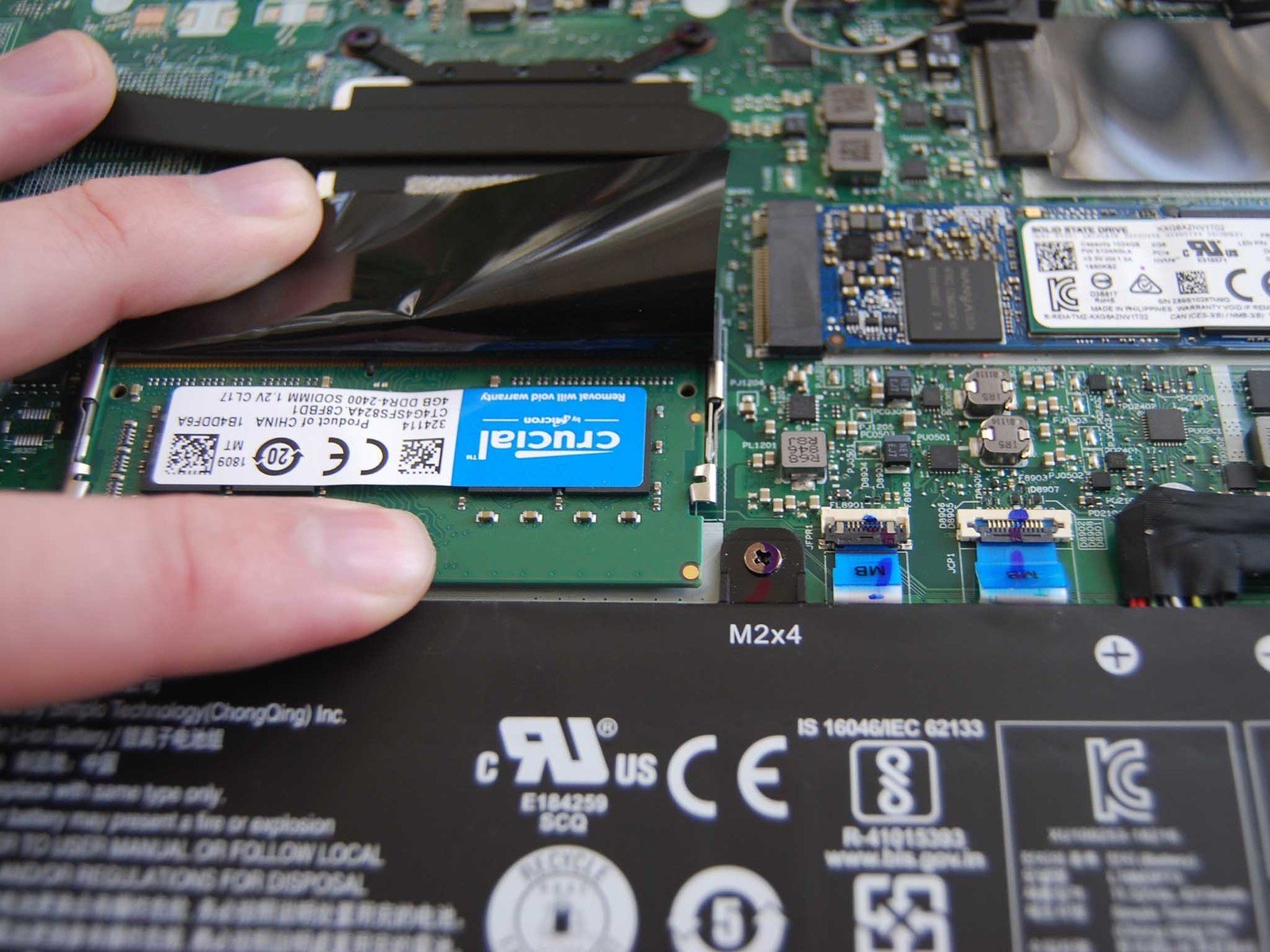
As the video above notes, the ThinkPad T490 ships with only a single accessible SO-DIMM slot, and this is the detail that trips up the most buyers looking to upgrade. Depending on your specific configuration, Lenovo pairs that one socketed DDR4 slot with either 4GB or 8GB soldered directly to the mainboard, meaning your maximum total capacity depends entirely on which base configuration you started with — a unit with 4GB soldered maxes out lower than a unit with 8GB soldered, even though both accept the exact same size SO-DIMM module in the open slot.
Before buying a ThinkPad T490 32GB RAM upgrade module, check your specific unit’s total RAM and subtract what’s already soldered to figure out your actual single-slot ceiling. Running wmic memorychip get devicelocator,capacity from an elevated Command Prompt (or checking Task Manager’s Memory tab, which lists slot usage on Windows 10/11) will tell you exactly how much is soldered versus socketed on your specific unit before you spend money on a module that won’t get you where you’re hoping to go.
Other Worthwhile T490 Upgrades
Storage is the other genuinely worthwhile upgrade path on this machine. The T490 uses a standard M.2 2280 slot, so swapping in a larger, faster ThinkPad T490 NVMe SSD upgrade is straightforward and delivers a much bigger felt improvement in day-to-day responsiveness than the RAM upgrade alone, especially on units that originally shipped with a slower SATA drive rather than NVMe. If your original charger has worn out after years of daily use, a properly rated ThinkPad T490 65W charger is a cheap fix rather than a reason to give up on the machine.
Intel-Only vs. NVIDIA MX250: Which Configuration to Buy
As we detailed above, our testing found the Intel-only configuration actually ran cooler and lasted longer on battery than the MX250-equipped sibling, which is a genuinely useful data point if you’re choosing between the two on the used market and assumed the “better spec’d” GPU model would simply be the superior all-around choice. Unless you specifically need the MX250 for light gaming or GPU-accelerated video editing, the Intel-only configuration is the smarter buy for typical office productivity use — you’re not giving up meaningful performance for that use case, and you’re gaining battery life and lower operating temperatures in return.
Bottom Line
The Lenovo ThinkPad T490 remains a genuinely excellent business laptop years after launch, particularly once you’ve maxed out its single RAM slot and dropped in a fast NVMe drive. If you want more RAM headroom than this single-slot design allows, our Lenovo ThinkPad T480 review covers the previous generation’s dual-SO-DIMM design, which supports a full 32GB across two open slots instead of one.
Step-by-Step: Installing Your ThinkPad T490 RAM Upgrade
Performing the ThinkPad T490 RAM upgrade yourself takes about ten minutes and requires nothing more exotic than a Phillips screwdriver. Power the laptop down completely, unplug the charger, remove the battery isolation by holding the power button for a few seconds to drain any residual charge, then remove the bottom panel screws (there’s no single hidden clip design to worry about — Lenovo kept this generation straightforward to service). The single SO-DIMM slot sits under a small retention clip near the center of the board; release the clip, angle the old module out if one is present, and firmly seat the new module at the same angle before pressing it down until the clips lock into place on both sides.
After reassembly, boot into BIOS (F1 during startup on most ThinkPads) to confirm the new total is recognized before you even load Windows — this catches a seated-but-not-fully-clicked module immediately, rather than after you’ve already closed everything back up and started using the machine. If the BIOS shows the expected total, you’re done; if it shows the old total or nothing changed, reopen the panel and reseat the module, since a RAM upgrade that isn’t fully clicked into its retention clips is the single most common reason a fresh install doesn’t get detected.
Do You Even Need More RAM?
Before spending money on a module, it’s worth actually confirming you’re memory-constrained rather than assuming it based on the machine’s age. Open Task Manager’s Performance tab during your normal workday and watch the memory graph — if it’s consistently pegged near your current total with heavy page-file (virtual memory) usage showing up in Resource Monitor, that’s a genuine sign more RAM will meaningfully speed up your day-to-day experience. If memory usage rarely climbs above 60-70% of your current total even with your usual browser tabs and applications open, a storage upgrade will likely deliver more noticeable everyday improvement than adding RAM you’re not actually using.
That said, for anyone running virtual machines, large Excel models, or keeping dozens of browser tabs open across multiple monitors, the jump from a base 8GB configuration to a maxed-out single-slot total is one of the most cost-effective productivity upgrades available for this machine — cheaper than a new laptop, and a genuine, felt improvement rather than a marginal one for those specific workloads.