As an Amazon Associate and an AliExpress affiliate, TechGurl earns from qualifying purchases. Some links on this page are affiliate links — if you buy through them we may receive a commission, at no extra cost to you. This never affects which products we cover or what we say about them.
A samsung galaxy fast again after months of lag? Before you consider a factory reset or a new phone, this 2-step recovery-mode fix (demonstrated on a Galaxy Note9, but applicable to most Samsung Galaxy phones) takes under 5 minutes and requires zero apps.
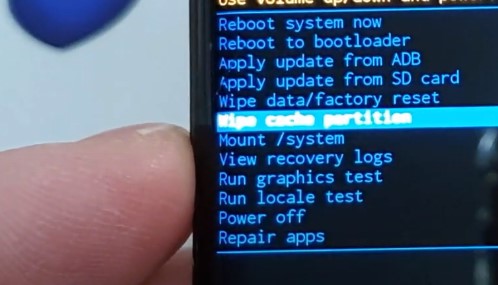
Samsung Galaxy Recovery mode
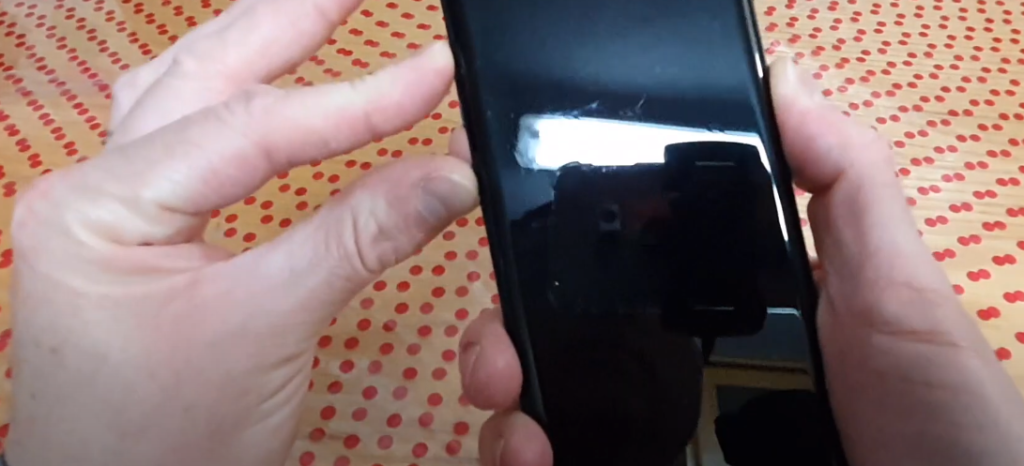
Ensure the device is powered off. Then, Simultaneously press and hold the Volume Up, Bixby and Power buttons. Continue to hold the Volume Up, Bixby and Power buttons until ‘Samsung Galaxy Note9’ displays on the screen, then release the power button.
Is your android phone feels slow and sluggish? This is a common problem for many users, but, Did you know that you can make it considerably faster in 2 simple steps?
Here I use Samsung galaxy note9, but this should work with most of android devices.
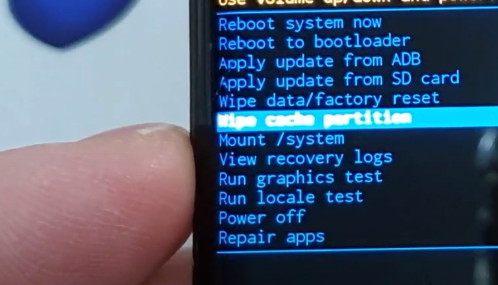
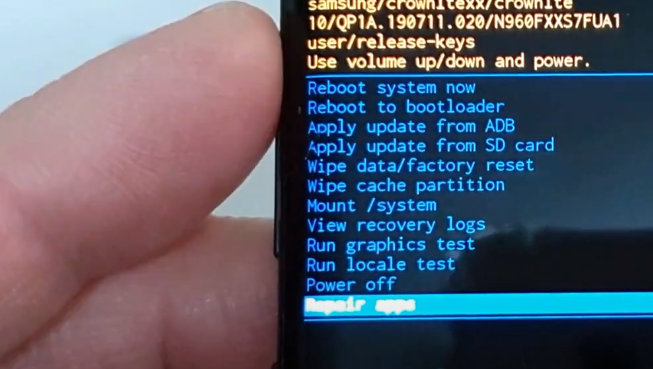
enjoy a much faster phone!
More Ways to Speed Up a Slow Samsung Galaxy
The recovery-mode cache wipe above is the fastest fix, but if your Samsung Galaxy is still sluggish afterward, work through these steps in order:
1. Check your storage
A nearly-full storage drive slows down almost every Android phone, Samsung Galaxy phones included. Go to Settings > Battery and device care > Storage and free up space if you’re above 90% full — delete unused apps and offload photos/videos to the cloud or a computer first.
2. Clear individual app caches
Beyond the system-wide cache wipe in recovery mode, some apps (especially browsers and social media apps) build up huge caches over time. Go to Settings > Apps, tap the worst offenders, and clear their cache individually.
3. Disable or uninstall bloatware
Carrier and Samsung-preloaded apps you never use still run background processes. Long-press any app you don’t need and disable or uninstall it if the option is available.
4. Turn off animations in Developer Options
Tap Settings > About phone > Software information > Build number seven times to unlock Developer Options, then reduce Window/Transition/Animator animation scale to 0.5x. The phone will feel noticeably snappier even if raw performance hasn’t changed.
5. Update your software
Check Settings > Software update. Samsung regularly ships performance and battery optimizations, and running several versions behind is a common, overlooked cause of a Samsung Galaxy feeling slow.
When to Consider a Factory Reset Instead
If your Samsung Galaxy is still slow after all of the above, a factory reset (after backing up your data) will resolve almost any software-level slowdown. If the phone is several years old, it may simply be reaching the end of its comfortable performance life — in that case, browsing current Samsung Galaxy models on Amazon may be more cost-effective than continuing to troubleshoot an aging device.
Frequently Asked Questions
Will wiping the cache partition delete my photos or apps?
No. Wiping the cache partition only clears temporary system files. Your photos, apps, contacts, and settings are untouched.
Does this method work on all Samsung Galaxy phones?
The recovery-mode button combination varies slightly by model and Android version, but the wipe cache partition and repair apps options exist on virtually every modern Samsung Galaxy phone.
Related: Best Wireless Chargers for 2026
More Ways to Get Your Samsung Galaxy Fast Again
The recovery-mode cache wipe above is the quickest fix, but if your Samsung Galaxy still isn’t running fast afterward, work through these steps in order:
1. Check your storage
A nearly-full storage drive slows down almost every Android phone, Samsung Galaxy phones included. Go to Settings > Battery and device care > Storage and free up space if you’re above 90% full — delete unused apps and offload photos and videos to the cloud or a computer first.
2. Clear individual app caches
Beyond the system-wide cache wipe in recovery mode, some apps (especially browsers and social apps) build up huge caches over time. Go to Settings > Apps, tap the worst offenders, and clear their cache individually.
3. Disable bloatware you don’t use
Carrier and Samsung-preloaded apps you never open still run background processes. Long-press any app you don’t need and disable or uninstall it if the option is available.
4. Turn off animations in Developer Options
Tap Settings > About phone > Software information > Build number seven times to unlock Developer Options, then reduce Window/Transition/Animator animation scale to 0.5x. The phone feels noticeably snappier even when the underlying performance hasn’t changed at all.
5. Update your software
Check Settings > Software update. Samsung regularly ships performance and battery optimizations, and running several versions behind is a common, overlooked reason a Samsung Galaxy stops feeling fast.
When a Factory Reset Makes More Sense
If your Samsung Galaxy still isn’t fast after all of the above, a factory reset (after backing up your data) resolves almost any software-level slowdown. If the phone is several years old, it may simply be reaching the end of its comfortable performance life — in that case, browsing current Samsung Galaxy models on Amazon may be more cost-effective than continuing to troubleshoot an aging device.
Samsung Galaxy Fast Fixes: Frequently Asked Questions
Will wiping the cache partition delete my photos or apps?
No. Wiping the cache partition only clears temporary system files. Your photos, apps, contacts, and settings are untouched.
Does this trick work on all Samsung Galaxy phones?
The recovery-mode button combination varies slightly by model and Android version, but the wipe cache partition and repair apps options exist on virtually every modern Samsung Galaxy phone.
Related: Best Wireless Chargers for 2026
Protecting a Samsung Galaxy Fast Fix From Recurring
Once your Samsung Galaxy is fast again, a few habits keep it that way for longer. Avoid installing app-cleaner or “booster” apps from the Play Store — most of these are placebo at best and actively slow phones down at worst by running their own background processes. A quality screen protector and a reliable fast charger won’t speed up software, but they protect the hardware investment while you keep the phone running smoothly.
General Android Safety and Performance Habits
Beyond this specific Samsung Galaxy fast fix, Google’s own Android safety center covers broader device-health practices — from update hygiene to app permissions — that apply regardless of which Samsung Galaxy model you own.
Final Verdict on Getting a Samsung Galaxy Fast Again
This fix genuinely works for the vast majority of “why is my Samsung Galaxy so slow” situations, because storage clutter and cache bloat, not aging hardware, are the real cause most of the time. Try the recovery-mode wipe first since it takes under 5 minutes and risks nothing — only move on to a factory reset or a new phone if performance still lags afterward.
Why Samsung Galaxy Phones Slow Down in the First Place
It usually isn’t one single culprit. Android accumulates cached data from every app you’ve ever opened, background sync processes pile up over months of use, and each Samsung software update adds new features that quietly consume more RAM and storage than the last. None of that is unique to Samsung — it happens on every Android phone eventually — but Samsung’s One UI layer, with its extra visual effects and duplicate app suites, tends to accumulate this bloat a little faster than a stock Android build. That is exactly why the recovery-mode wipe above works so reliably: it clears out months of accumulated cruft in one pass instead of asking you to hunt it down app by app.